Chemistry Experiments, T
Last updated 2026-10-14 by Dr John Elfick
Chemistry, T
tera-, T, × 1 million million, 1012
Triple bond, (has 6 electrons in the bond), e.g. Carbon monoxide, C≡O
Quick links — A–Z index
Temperature affects solubility
Tg Glass transition temperature
Thermal, E
Thermometer, mercury in barometers
Thiophenezzz
Thiourea, thiocarbamide
Thymine, E
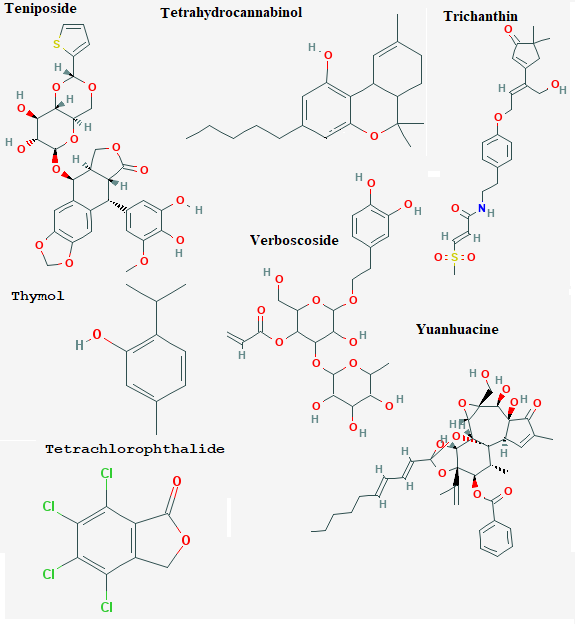
Thymol, E
Tincture, E
Tobacco, E
Tonic wines, P
Toothpaste, E
Toothpicks, Use
Touch powder, E
Town gas, E
Toxic effect of drugs on water flea
See diagramTrade mark: Trademark, | TM | or | R in a circle superscript |
Tranquillizers, Benzodiazepines, List
Tranquillizers, Prescription drugs misuse
Transferring chemicals. Handling
Transition elements, Transuranic elements
Treacle, E
See diagram 16.13.8chd: Trichloroisocyanuric acid
Triple point and ice point of water
Trihydroxybenxene, Phloroglucinol
Trihydroxybenzoic acid, 16.3.29 Gallic acid
Trilead tetroxide. Lead (II/IV) oxide
4.3.20 Tensides, alkylphenol ethoxylates
Tensides are surface active substances, which reduce the surface tension of water to promote the solubility of substances.
Tensides are used in washing and cleaning agents, paints, varnishes, metal processing fluids, construction products and paper manufacturings.
Synthetic alkylphenol ethoxylates, commonly used as non-ionic tensides, are a group of non-ionic surface active substances.
During degradation in wastewater treatment plants and in the environment, nonylphenols are formed, which are only slowly degradable, bioaccumulative and very toxic for aquatic organisms.
Besides that, hormone-like effects have been observed in fish.
Nonylphenol ethoxylates have been widely substituted in household and industrial cleaners as well as in flocculates.
Nonionic surfactant mixtures varying in the number of repeating ethoxy (oxy-1,2-ethanediyl) groups are used as detergents, emulsifiers, wetting agents, defoaming agents. An example of an alkylphenol ethoxylate is polyethylene glycol mono(4-tert-octylphenyl) ether, (C2H4O)nC14H22O.
9.1.4 Prepare turpentine copying fluid
To prepare turpentine copying fluid, mix 4 parts of water with 1 part of turpentine.
Add a piece of soap the size of the thumb nail.
Shake the mixture until the soap is dissolved.
The soap forms a turpentine / water emulsion that keeps the turpentine and water mixture, which have different densities from separating into separate layers.
Copy a newspaper picture or text by moistening the newspaper, placing a blank sheet of paper over it then rubbing with a smooth convex object.
Ink from the newspaper dissolves in photocopy liquid to make a picture in reverse.
12.20.1 Reactions of tin and tin compounds
1. Pass hydrogen sulfide through tin (II) chloride solution.
Note the precipitate that is insoluble in dilute hydrochloric acid.
Sn2+ + S2- → SnS (s) source
Filter off the precipitate and wash with distilled water.
Transfer it to an evaporating basin and add yellow ammonium sulfide solution.
The precipitate dissolves.
Oxidation by the free sulfur in the ammonium sulfide occurs, so the S in the equation come from the ammonium sulfide.
(NH4)2S + SnS + S) → (NH4)2SnS3, (ammonium thiostannate) source
Add dilute acid to the ammonium thiostannate to precipitate tin (IV) sulfide, SnS2. source
2. Add drops of sodium hydroxide solution to tin (II) chloride solution
Note the white precipitate of tin (II) hydroxide that dissolves in excess sodium hydroxide to form sodium stannite.
Sn2+ + 2OH- → Sn(OH)2 (s) source
Sn(OH)2 + 2OH- → SnO22- + 2H2O (stannite ion = SnO22-) source
3. Add drops of ammonium hydroxide solution to tin (II) chloride solution.
Note the white precipitate of tin (II) hydroxide that is not soluble in excess of ammonium hydroxide.
4. To show that tin (II) chloride is a powerful reducing agent, add tin (II) chloride solution to solutions of the following reagents.
Reduction occurs with every reagent
Iron (III) chloride forms pale green iron (II) ions
Potassium permanganate forms manganese (II) ions
Potassium dichromate forms green chromic ions
12.20.2 Prepare tin (IV) chloride
1. Use a fume cupboard
To prepare tin (IV) chloride, put sand into the retort protect the glass during heating, followed by 5 cc of granulated tin.
Insert the delivery tube and connect to a chlorine apparatus.
Heat the retort while chlorine passes over.
Note the ignition of the tin, the fine white crystals in the upper part of the retort, and the yellow distillate of tin (IV) chloride.
The white crystals are SnCl4.5H2O, due to traces of moisture in the apparatus. source
Sn + 2Cl2 → ; SnCl4 source
2. Add drops of water to the tin (IV) chloride mixture and heat the mixture.
Test for hydrogen chloride
The white precipitate is hydrated tin (IV) oxide or a tin (IV) acid.
SnCl4 + 4H2O → SnO2.2H2O + 4HCl source
3. Add ammonium hydroxide solution to the tin (IV) chloride mixture and heat the mixture.
Divide the suspension of hydrated tin (IV) oxide into two parts.
To show the amphoteric nature of hydrated tin (IV) oxide, dissolve part A in sodium hydroxide solution and dissolve part B in hydrochloric acid.
SnO2.2H2O + 4HCl → - SnCl4 + 4H2O source
SnO22H2O + 2NaOH → - Na2SnO3 + 3H2O source
(Note: Na2SnO3 = sodium stannate) source
Tyrosine derivatives, Melanin
Tyrosine derivatives, Melanin
Melanophores in the skin contain black and brown pigments, e.g. melanins, (Greek mélās dark)
Ther 5 types of melanin are eumelanin, (most common), pheomelanin, neuromelanin, allomelanin and pyomelanin.
During melanogenesis of eumelanin, tyrosine is oxidized then polymerized.
Melanins give protection against sunburn from sunlight and is more common in the skin of people who live nearer the equator.
Melanin, C18H10N2O4, occurs in cuttlefish, brown spot rice fungus disease, Streptomyces soil bacteria, dark skin and hair of animals, and bird feathers. source
Some chemists do not accept the chemical formula above, but think melanin is composed of different layers of chemicals.
Talcum powder
Talcum powder, talc, H2Mg3O12Si4, H2Mg3(SiO3)4, Mg3Si4O10(OH)2, hydrated magnesium silicate, (French chalk), serpentine mineral, (meerschaum pipes and soap), (fine abrasive, absorbent, lubricant). source
Magnesium silicate (MgSiO3) when hydrated is most commonly known as "talc". source
In the pharmaceutical industry it is used as an anticaking agent to improve powder flow in tablet compression.
Talc is used cosmetically in talcum and baby powder as an adsorbent.
Natural talc contains asbestos, a substance that may lead to lung cancer.
However, talcum products used in cosmetics have been free of asbestos since the 1970s.
Talcum powder can be used to repel ants that do not walk through it, dust inside rubber gloves and shoes to slip on easily, dry shampoo for human hair or dogs, stop squeak in floor boards, clean up grease, absorb perspiration from skin and between sheets, protect white clothing from grease.
Baby powder
Talcum powder is sometimes confused with "Baby Powder".
"Johnson's baby powder" (Australia) contains "pure cornstarch".
"Johnson's Baby Powder" contains Zea Mays (cornflour), starch, tricalcium phosphate, fragrance (Aloe barbadensis leaf juice), tocopherol (vitamin E).
It does not contain talc.
Cornflour is powdery starch from maize used as a cooking thickener, (USA "cornstarch"), (Australia "wheaten starch").
Tap water
Volume of gas dissolved in tap water: 7.7.16, (Experiment)
Weight of solids dissolved in tap water: 7.7.15, (Experiment)
Tea, Green tea, Camellia sinensis, Theaceae
Tea, Green tea, Camellia sinensis, Theaceae
Contents of green tea 1. Tea polyphenols, catechins especially EGCG, flavonoids, anthocyanins, and phenolic acids.
The highest content of tea polyphenols in green tea is 20–30%.
2. Flavonol glycosides and anthocyanins, which give tea a bitter taste.
3. Phenolic acids, e.g. gallic acid, chlorogenic acid, caffeic acid
4. Alkaloids, caffeine, theophylline and theobromine, which give the refreshing effect of tea.
5. Amino acids, mainly theanine, glutamic acid, arginine, serine, and aspartic acid
6. Carbohydrates, glucose, fructose, galactose, sucrose, which give tea a slightly sweet taste.
7. Aromatic Ingredients - the main aroma components of green tea, dimethyl sulfide, pentanal, and many more.
8. Organic acids, acetic acid, butyric acid, and hexenoic acid, but not tannic acid.
9. Mineral elements, mainly P and K, then Ca, Mg, Fe, Mn, Al, S, Si, and trace elements Zn, Cu, and F 10. Vitamins, vitamin B, vitamin C, and vitamin E
11. Chlorophyll
Prepare cup of tea: 12.2.8
Prepare ferric tannate with tea leaves: 16.4.4
Tannins: 16.2.2, plant polyphenols
Green tea, (Camellia sinensis), Theaceae
Tea with dilute sulfuric acid: 12.2.9
Tea with iron (II) sulfate: 12.2.10
Tea with iron (III) salts: 12.2.12
Tea with limewater: 12.211
Tangeritin
Tangeritin, C20H20O7, Flavone, O-polymethylated-flavone, a "citrus bioflavonoid". source
It occurs in tangerine, Citrus tangerina, and other citrus peels.
Tangeretin strengthens the cell walls and protects from cell invasion.
Tangeritin may protect nerve cells, reduce risk of cancers.
Tannic acid
Tannic acid, C76H52O46, a polyphenolic compound, E181, gallotannic acid, gallotannin, light yellow to tan solid. faint odour, mixes with water, acts as a weak acid. source
It occurs in nutgalls on oak trees, Quercus species.
Is is used to topically treat cold sores, diaper rash, and poison ivy. E181 Tannic acid
Make a solution of tannic acid by boiling cut pieces of oak galls in water.
Tannic acid is sold as a brown powder and was used in tannic acid jelly for burns dressings.
Tea contains polyphenols, but tea does not contain tannic acid, as previously believed.
Tannic acid is a dyeing mordant, slightly toxic if ingested.
Use tea solution to polish linoleum, windows and mirrors, remove fish smell and shine from seats of skirts or blue serge suits, deodourizes feet, dye greying white fabrics, highlight brown hair, treat sunburn. pain, with lemon treat sore throat, diarrhoea, sore eyes, burns, bleeding gums, broken finger nail, speed grass seed germination and house plant growth, with lemon deodourize stuffy rooms, clean and polish black lacquer and varnished woodwork, tenderize meat.
Tea tree oil
Tea trees, (Melaleuca species), Myrtaceae
Oil of Melaleuca, C10H18O, terpinen-4-ol, from Melaleuca alternifolia, a paperbark tree (antibacterial, cosmetic, antifungal, sunburn). source
Tea tree oil, Melaleuca alternifolia leaves, essential oil, antimicrobial, anti-scabies, antifungal, in cosmetics, treat wound healing, period and breast pain.
Tantalum, Ta
Tantalum, Ta
Tantalum, Table of the Elements
Tantalam, RSC
Tantalum, Ta, (Greek Tantalos, mythical king who could not reach fruit or water, because tantalum acids are "out of reach", no reaction!
It is found in tantalite, columbite, and other minerals, usually with Niobium.
Tantalum minerals have protective oxide, so are non-corrosive, but are very rare.
Tartar emetic
Tartar emetic, C8H10K2O15Sb2, crystalline, poisonous, but used as expectorant and to treat schistosomiasis. source
Tartaric acid
Tartaric acid, C4H6O6, COOH(CHOH)2COOH, corrosive, irritant, a racemic acid, a white crystalline dicarboxylic acid, colourless, odourless, transparent source
It has monoclinic crystals or white powder or granules, RD 1.76, m.p. 168 to 170 oC, E334, from potassium hydrogen tartrate, sour taste food flavour.
It occurs in many plants, wine and fruits, e.g. tamarind.
The tartrate salts, from potassium tartrate, tartar.
The molecule is either dextrorotatory, d, or laevorotatory, l, so it refracts light to the right or left, it has 2 mirror isomers (enantiomers).
Tartaric acid, manufactured from grape juice, is a very weak acid and is commonly used as an ingredient in effervescing health salts.
Tartaric acid salt, potassium hydrogen tartrate, (cream of tartar), is used in baking powder.
Tartaric acid liberates carbon dioxide gas from carbonates and bicarbonates, and it forms hydrogen when warmed with iron filings or zinc.
It can clean copper coins by dissolving the surface copper (II) oxide.
A racemic acid is a compound containing equal proportions of d- and l-isomers of tartaric acid, so it is optically inactive.
A tartrate is the ester or salt of tartaric acid.
Prepare fruit salts, health salts: 16.4.5
Tests for tartaric acid: 19.5.4
Tartrazine
Tartrazine, C16H9N4Na3O9S2, azo dye, food additive E102, lemon-yellow colour, banned in some countries source
Food colouring and ADHD: 19.2.5, (Experiment)
Synthetic food colours approved for use in Australia: 19.1.24, (See: Yellow shade)
Technetium, Tc
Technetium, Tc
Technetium, Table of the Elements
Technetium, RSC
Technetium, (Greek tekhnētos 'artificial'), synthesized, dense, heat-resistant, from uranium fission
Radiopharmaceuticals, Technetium 99m: 7.2.4
Tectoridin
Tectoridin, Shekanin, C22H22O11, isoflavone, glucoside, glycosyloxyisoflavone, hydroxyisoflavone, monosaccharide derivative, irritant source
It occurs in (Pueraria thunbergiana) flowers.
Teflon
Teflon, Polytetrafluoroetheylene, PTFE: 3.7.32
TeflonTM, PFOA, perfluorooctanoic acid, CF3(CF2)6COOH: 16.14.2 source
Tellurium, Te
Tellurium, Te
Tellurium, Table of the Elements
Tellurium, RSC
Tellurium, Te, natural tellurium, rare metalloid, gas dimethyl telluride, (CH3)2Te, smells like garlic
Tellurium, (Latin tellur earth), silver-white, brittle, metalloid, similar to selenium, occurs in gold and silver ores
Tellurium is used in semiconductors, but future supply shortfall.
Tellurium, pieces, powder, highly toxic by all routes, display only in a sealed container.
Cadmium telluride thin films in solar cells to replace silicon panels
35.2.87, (Geology)
Tempering
Heat treatment of metals: 34.7.0
Tempered glass: 34.15.4, Prince Rupert's Drops
Tempering: 34.7.6
Tennessine, Ts
Tennessine, Ts
Tennessine, Table of the Elements
Tellurium, Table of the Elements
Tennessine, RSC
4.9.20 Tensides, alkylphenol ethoxylates
Teratogenic
Teratogenic, causing malformation of a developing embryo or foetus
E951 Aspartame
Terbene
Terbene, dryer, but extends time of drying (liniment, resists water and oil), flammable, irritant to skin and respiratory system.
Terbene, contact with combustibles may ignite (Ter. bene = tere bene = rub well).
Pharmaceutical liniment: Terbene 06 mL, Almond Oil 16 mL, Tincture of ipecacuanha 8 mL
tert-Amyl alcohol
tert-Butanol, tert-butyl alcohol, tertiary butanol, tertiary butyl alcohol, trimethyl methanol
tert-Butanol, 2-methylpropan-2-ol, highly flammable
Tests, Chemical tests
Tests, Chemical tests
Tests for food: 9.3.0
Tests for swimming pools: 18.5.0
Terbium, Tb
Terbium, Tb
Terbium, Table of the Elements
Terbium, RSC
Terbium, Tb, (Ytterby, Sweden), stable in air, but slowly oxidizes, rare and future shortfall, green-yellow phosphorescence
It is used with elements Eu and Yb in TV screens
Terbium chips, foil, Tb
Terbium (III) acetate hydrate, C6H9O6Tb.xH2O source
Terpineol
Terpineol, C10H18O, alpha-Terpineol, used in cosmetics, household cleaners, and insect repellents. source
It occurs in (Camellia sinensis), and (Callistemon citrinus).
The most common terpineol Alpha-terpineol has lilac and peaches aroma, Beta-terpineol has a woodsy aroma, Gamma-terpineol has citrus aroma, Terpenen-4-ol has an earthy aroma.
Tetrachloromethane
Tetrachloromethane, CCl4, carbon tetrachloride, perchloromethane, "dry cleaning fluid", "carbon tet", solvent, Not permitted in schools source
It is a clear liquid with an easily-detected sweet smell, not flammable, not easily dissolves in water.
It does not occur naturally and is now banned from previous uses in refrigeration and aerosol cans.
CFCs, "Freons": 12.19.5.0
Composition of the atmosphere and greenhouse gases: 37.2.2
Tetrahydrofuran
Tetrahydrofuran, C4H8O, Toxic by all routes, highly flammable, avoid inhalation, skin irritant. source
Tetrahydrofuran (do not use in a school laboratory, but replace as solvent with ethanol or acetone).
Tetrahydrofuran, Solution < 25%, Not hazardous, but do not ingest.
Thallium
Thallium, Table of the Elements
Thalliumd, RSC
Thallium, Tl, (Greek thallos 'green shoot', because spectrum green line), blue-white, soft malleable, similar to lead, toxic compounds.
It is used in electronics and in glass production.
Thallium compounds Thallium compounds Not permitted in schools
Thallium (I) chloride, TlCl, thallium chloride, thallous chloride, Extremely toxic if ingested or absorbed through skin
Thallium nitrate, Toxic if ingested or absorbed through skin, cumulative poison, Not permitted in schools
Thallium (I) sulfate, Tl2SO4, thallous sulfate, odourless, white rhomboid prisms or dense white powder, rat poison, ant bait source
Extremely toxic if ingested or absorbed through skin, slow acting cumulative poison, Not permitted in schools
Tallium used as a rat poison, is said to be discontinued, because of danger of misuse, but is still sold as "Ratsak"!
Thaumatin
Sulfonamide Thaumatin B, recombinant, C19H29N3O3S source
Thaumatin, talin, low-calorie sweetener, flavour modifier
Proteins from katemfe fruit (Thaumatococcus daniellii), Marantaceae of west Africa
E 957, Relative sweetness 750 to 1 600, 2000 times more potent than sugar, but tastes different from sugar, sweetness taste increases slowly
Taste lasts a long time, liquorice-like aftertaste, water-soluble, stable to heating, and to acidic conditions
Thevetin A
Thevetin A, C42H64O19, poisonous cardiac glycoside, Thevetin B, C42H66O18, poisonous cardiac glycosides source
It occurs in yellow oleander (Thevetia eriifolia), Apocynaceae
Thermal
Thermal capacity: 14.1.3, Heat of reaction, Hess's law
Thermal capacity, Specific heat capacity, calorimeters, heat measuring devices, C: 22.5.0
Thermal cracking, Cracking
Thermal decomposition: 3.7.0
12.2.2.6 Thermal decomposition of acids
12.2.2.7 Thermal decomposition of sucrose crystals
Thermoluminescence
Thermoluminescent substances emit light when heated, but do not themselves decompose chemically
Examples include: calcium oxide (limelight), magnesium oxide, phosphorus (V) oxide (phosphorus pentoxide), fluorite, calcite.
Experiment
Calcite glows when heated, caused by impurities in the crysal, e.g. Mn2+.
Thiocyanates
Thiocyanates, S-CN-, Thiocyanate ion: CNS- or [SCN]-
Thiocyanates: [RC(=O)SN] salts and esters of thiocyanic acid, HSCN, e.g. methyl thiocyanate, CH3SCN source
Cobalt (II) thiocyanate, Co(SCN)2, cobalt (II) thiocyanate, harmful, Environment danger, in Scott's reagent test for cocaine source
Thiocyanates: 16.10.12
Thiocyanates, Hazards: 3.7.18
Thioglycolic acid
Thioglycolic acid, (TGA), mercaptoacetic acid, (MAA), C2H4O2S, HSCH2COOH, sulfur-containing carboxylic acid, colourless liquid, unpleasant odour source
It is used to make permanent wave solutions and depilatories, corrosive to metals and tissue.
Thionyl chloride
Thionyl chloride, SOCl2, sulfur dichloride oxide, sulfur oxychloride, Toxic by all routes, irritant vapour source
Thionyl chloride with water forms hydrogen chloride gas and sulfuric acid.
Experiment
Prepare thionyl chloride
This experiment may not be allowed in some school systems.
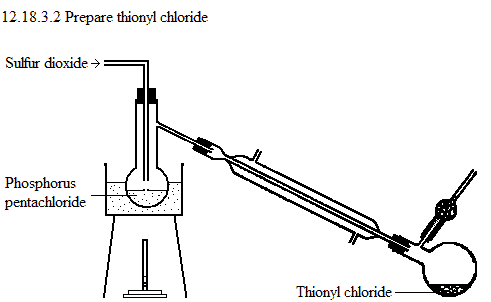
1. Use 10 cc of phosphorus pentachloride in a dry distilling flask attached to a sloping condenser.
Fit the flask with a stopper and delivery tube that reaches deep into the flask.
Stand the flask in a cold water bath.
Pass sulfur dioxide into the phosphorus pentachloride until it has completely liquefied.
Heat the water bath and collect the distillate of thionyl chloride, SOCl2. source
The liquid remaining in the flask is phosphorus oxychloride.
PCl5 + SO2 → POC13 + SOCl2 source
Add drops of the thionyl chloride to water and tests for sulfurous acid and hydrochloric acid.
SOCl2 + 2H2O → H2SO3 + 2HCl. source
thionyl chloride + water → sulfurous acid + hydrochloric acid source
2. Cut a cube of camphor into pieces and place in the dry distilling flask.
Pass sulfur dioxide through the flask until the camphor liquefies.
Disconnect the source of sulfur dioxide and pass dry chlorine through the flask until it is no longer absorbed.
Heat the water bath and collect the distillate of sulfuryl chloride, SO2C12. source
SO2 + C12 → SO2C12 source
Add drops of the distillate to water and show that the resulting solution contains sulfuric acid and hydrochloric acids.
SO2Cl2 + 2H2O → H2SO4 + 2HCl. source
Thiosulfates
Thiosulfate ion: (S2O3)2-
Thiosulfates with acids form sulfur dioxide gas.
Thiosulfates heated to decomposition form sulfur dioxide gas.
List of thiosulfates (not containing heavy metal ions, e.g. lead thiosulfate): 1.26
Thiosulfates, hazards: 3.7.19
Thiourea
Thiourea, H2(N.CS.NH2), thiocarbamide, (used as flame retardant and chelating agent), highly toxic, skin irritant, carcinogenic source
Thiourea, Solution < 1%, Not hazardous, but do not ingest
Thorium, Th
Thorium, Th
Thorium, Table of the Elements
Thorium, RSC
Thorium, Th, Not permitted in schools
Thorium, Th, (Old Norse Thor 'thunder god'), radioactive compounds, high mp, in mining lamps and former gas light mantles, Toxic by all routes
SPADNS fluoride reagent solution, 500 mL, (HO)2(C10H3(SO3Na)2N=N(C6H4SO3Na), indicator for thorium
Threonine
Lost nutrients in food: 19.2.7
Nutritional value of eggs: 13.12
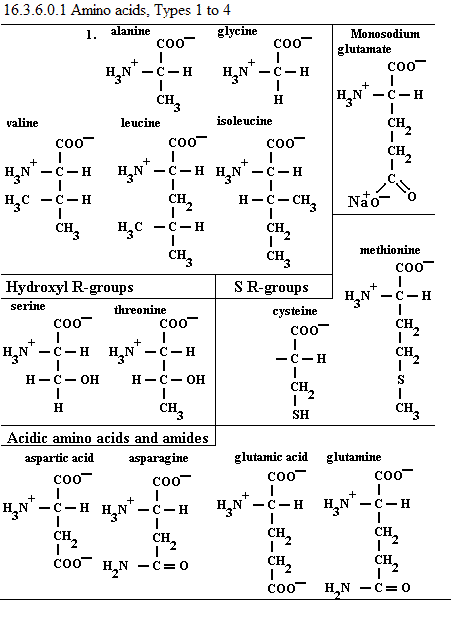
Threonine, C4H9NO3, (Table of amino acids) source
Threonine, DNA codons
Threose
Threose, C4H8O4, D-Threose, Trihydroxybutanal, the D-stereoisomer of L-threose. terminal aldehyde group in its linear chain source
Thujene
Thujene, C10H16, alpha-thujene, a monoterpene, gives distinctive fragrance to essential oils. source
It occurs in (Salvia officinalis), (Crithmum maritimum), Eucalyptus, and gives spicy flavour to summer savory (Satureia hortensis).
Thujone
Thujone, C10H16O, alpha-thujone, a monoterpene source
It occurs in (Salvia rosmarinus), (Artemisia thuscula), and in wormwood (Artemisia absinthium).
Wormwood is used as herbal medicine treat parasites, and stomach issues, but causes hallucinations and may be fatal if ingested in large quantities.
Thymoquinone
Thymoquinone, C10H12O2, a 1,4-benzoquinone, anti-inflammatory, antioxidant, cardioprotective, antidepressant source
It occurs in black cumin seed essential oil from (Nigella sativa), and in (Origanum dictamnus).
Thulium
Thulium, Table of the Elements
Thulium, RSC
Thulium, Tm, (Latin Thule 'Ultima Thule', legendary most northern habitation), a lanthanide, and a rare earth
Thiamine
Thiamine, C12H17N4OS, thiamin, a vitamin B1, a primary alcohol, aneurin, , heat-labile and water-soluble essential vitamin, antioxidant, erythropoietic source
A mood modulating glucose-regulating activities, bitter tasting compound, converts carbohydrates and fat into energy.
It is essential for normal growth and development and helps to maintain proper functioning of the heart and the nervous and digestive systems.
Thiamine cannot be stored in the body, however, once absorbed, the vitamin is concentrated in muscle tissue.
Thiamine is a cofactor for many enzymes, e.g. enzymes that release carbon dioxide from beta-keto acids.
Thiamine occurs in the brown coating of unpolished rice, other cereal grains, and in coffee, and garden cress, Lepidium sativum.
Baking powders destroy thiamine that needs slightly acid conditions to keep stable during baking.
Shortage of Vitamin B1 causes slow growth, decreased appetite, vomiting, below normal temperature and weakness of the body.
Thiamin deficiency causes the disease beriberi.
19.2.7, Lost nutrients in food
Thymine
Thymine, C5H6N2O2, (5-methyluracil), one of four constituent bases of DNA, pyrimidine nucleobase, pyrimidone source
In RNA, thymine it is replaced with uracil, C4H4N2O2 source
In DNA, thymine binds to adenine to assist in stabilizing the nucleic acid structures.
DNA and RNA: 9.4.0
Nucleic acid, nitrogenous bases: 3.0.0
Nucleosides, nucleic acids, DNA, RNA: 16.1.8
Thymol
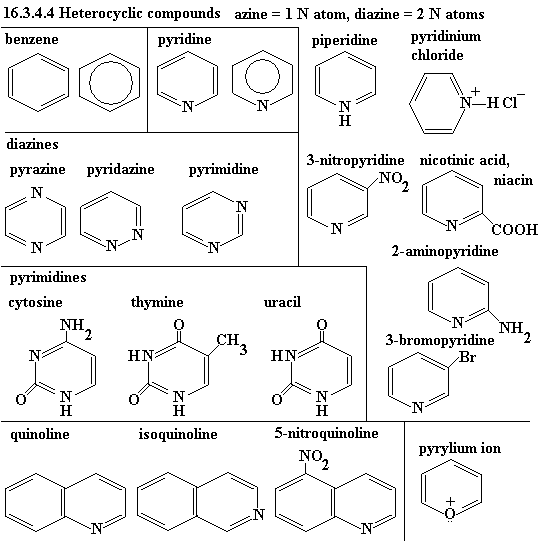
Thymol, C10H14O, 2-[(CH3)2CH](C6H3-5-(CH3)OH, phenolic terpene, monoterpene, (C10 - 2 isoprene units) source
Thymol, 5-methyl-2-isopropyl-phenol, white crystals, antiseptic
Thymol, harmful if ingested, but not harmful in < 25 mg in throat lozenges
Thymol, 2-isopropyl-5-methylphenol, large white colourless crystals or white crystalline powder, pleasant aromatic odour, from thyme oil
phenolic compound, topical antifungal, antiseptic, antibacterial
It is used as a pharmaceutical stabilizer, former vermifuge, thyme oil used in mouthwashes and skin creams, cigarette additive, in perfumery,
as a mould and mildew preventive, in microscopy, as a preservative, antioxidant, flavouring.
It is used as a stabilizer in pharmaceutic preparations, occurs in Xylopia aromatica, in thyme and oregano.
Thymol blue (0.4% aqueous solution in 20% ethanol, UN number 1983), 100 cm3
34.00 Thymol blue (1st range), acid-base indicator
35.00 Thymol blue (2nd range), acid-base indicator
Thymol blue | pH 1.2-2.8 | 1-2 drops 0.1% solution in aqueous | red yellow
Thymol blue | pH 8.0-9.6 | 1-5 drops 0.1% aqueous solution | yellow blue
Ajwain, (Trachyspermum ammi), Apiaceae
Food used in plant respiration: 9.1.7
Lemon bergamot, (Monarda citriodora), Lamiaceae
Meyer lemon, (Citrus x myeri), Rutaceae
Prepare Meyer's albumen solution: 6.5
37.00Universal indicator: 36.00 (See: Experiment 1.)
Thymol methyl ether
Thymol methyl ether, C11H16O, O-Methylthymol, 2-Isopropyl-5-methylanisole, aromatic monoterpenoid, flammable irritant, in oil of sea fennel (Crithmum maritimum), in Citrus species, carrots, herbs and spices source
Thyroxine
Iodine is used in the muscles and in the thyroid gland as part of the chemicals thyroxine and triiodothyronine.
Thyroxine, C15H11I4NO4, is a hormone containing iodine, from thyroid gland, controls metabolic rate. source
Iodine deficiency causes hyperthyroidism and an enlarged thyroid gland.
The recommended daily allowance, RDA, is 150 pg.
Thyroxine: 9.1.14 Table salt and rock salt, (Experiment)
Tiglic acid
Tiglic acid, C5H8O2, tiglinic acid, cevadic acid, unsaturated organic acid, corrosive solid, white lustrous flakes, or poisonous liquid, spicy odour source
It severely irritates skin, eyes, lungs.
It is used to make perfumes and flavours.
It is extracted from croton oil, Croton tiglium.
Tin
Tin, Table of the Elements
Tin, RSC
Tin, Sn (Old English tin), silver, lustrous, malleable metal, in cassiterite, granulated, pellets, foil, sheets, powder (tin-plated jam tin), pewter, metal foil (0.13 mm), metal granulated, metal powder.
Tin is used in electrochemical cells, reactivity of metals, metal displacement reactions.
Beverage cans are cylindrical containers made of aluminium or tin-plated steel, in which food and drink can be stored and hermetically sealed.
Tin with silver and mercury, in dental "amalgam", is used for teeth fillings.
Bronze is an alloy of copper, containing small amounts of tin or arsenic.
Tin fine dust and tin fumes are a heavy metal hazard.
Tin-plated jam tin, pewter is a ductile, malleable metal, resists corrosion, is available as granules, pellets, foil and powder.
Tin is extracted from the ore cassiterite, [tin (IV) oxide, SnO2]. source
It is used in alloys and the shiny protective plating of "tin cans" (tin plate) and aluminium drink-cans, and in alloys and solders.
Tin reacts with dilute HCl or H2SO4 to form H2 and metal ion, reacts with concentrated oxidizing acids, HNO3 or H2SO4 to produce high oxidation number ions, and sulfur dioxide SO2 nitrogen dioxide, NO2. source
Tin has no reaction with water.
Tin heated powder forms oxide.
The "silver paper" used in wrapping is usually tin foil.
Atomic number: 50, Relative atomic mass: 118.71, RD 7.28 (white), 5.75 (grey), m.p. = 232 oC, BP = 2270 oC
Specific heat capacity: 218 J kg-1K-1
Experiments
Cassiterite: 35.2.19, tinstone, SnO2, (Geology) source
Reactions of tin and tin compounds: 12.20.1
Separate by melting points, tin from a tin and carbon mixture: 10.19.0
Weight of tin in solder: 17.6.6
Tin properties
Tin, natural, Sn: 35.2.68, (Geology)
Tin-lead alloys: 5.5.14
Tests for hardness: 3.62.0, lead, tin, and lead-tin alloys
Pewter, alloy
Prepare tin (IV) chloride: 12.20.2
Reactions of tin and tin compounds: 12.20.1
Tin compounds
Copper-tin alloys, bronze: 5.1.9
Tin (II) bromide
Tin (II) chloride, stannous chloride, SnCl2 source
Tin hydroxide, amphoteric
Tin (II) oxide, SnO, amphoteric
Tin (IV) bromide
Tin (IV) chloride, stannic chloride, tin tetrachloride, SnCl4 source
Tin (IV) fluoride
Tin (IV) oxide, SnO2, tin dioxide, tinstone, tin oxide, tin ashes, stannic oxide for craft, from cassiterite source
Stannic (IV) chloride pentahydrate
Stannous bromide
Tin-lead alloys: 5.5.14
Tin (II) chloride
Tin (II) chloride, stannous chloride, SnCl2, SnCl2.2H2O, harmful if ingested source
Absorbs oxygen from the air to form water insoluble tin oxychloride, keep in airtight container.
Forms explosive mixtures with oxidizing agents, e.g. nitrates, peroxides, nitrites, permanganates.
Hydrated, tin (II) chloride-2-water, SnCl2.2H2O, tin salt, crystals. source
For 0.5 M solution, 113 g in 170 mL concentrated HCl, dilute to 1 L + add tin foil.
Electrolysis of tin (II) chloride solution: 15.5.20
Tin (IV) chloride
Tin (II) chloride, anhydrous, powder, SnCl2, tin (II) chloride dihydrate, SnCl2.2H2O, stannous chloride dihydrate, stannous chloride, butter of tin source
It is colourless, has monoclinic crystals, absorbs O2 from air to form insoluble stannous oxychloride, RD 2.71, MP. 37 to 38 oC. source
Tin (IV) chloride, SnCl4, (use 0.1 M solution to test for cations), harmful if ingested, corrosive source
Tin (IV) chloride, Solution < 5%, Not hazardous
Tin (IV) chloride forms an explosive mixture with turpentine
Tin (IV) chloride with water forms hydrogen chloride gas
Tin (IV) chloride-5-hydrate, SnCl2.5H2O, For 0.1 M solution, 35 g in 1 L water source
Prepare tin (IV) chloride: 12.20.2
Tincture
Prepare tinctures: 5.9, (herbal tinctures)
Prepare iodine crystals from tincture of iodine: 12.6.9
Tincture of iodine
See: Polyvinyl pyrrolidene, povidone, PVP
The word "tincture" means add a small mount of a substance to the main substance or a tinge of something added to the main substance to change the colour.
A tincture is an alcoholic solution of non-volatile substances with the alcohol acting as a solvent and preservative.
Tincture of iodine, used in medicine, is iodine dissolved in ethanol.
Tincture of iodine, a tincture because if sodium iodide not added, iodine would otherwise be insoluble,
2-7% KI or NaI solution in ethanol and water, about 2 g iodine and 2 g sodium iodide in 100 mL in 40-60% ethanol,
contains soluble triiodide anion I3-, disinfectant, antiseptic and starch test.
Nowadays, the tincture of iodine that used to be found in most home medicine chests is often replaced by Povidone iodine, e.g. Betadine.
Lugol's iodine solution is elemental iodine and potassium iodide.
Titanium, Ti
Titanium, Ti
Titanium, Table of the Elements
Titanium, RSC
35.2.60Titanium, (Geology)
Titanium
Atomic number: 22, Relative atomic mass: 47.867, RD 4.5
Specific heat capacity 54 J kg-1 K-1
Titanium, Ti (Greek: titan 'Greek god'), transition metal, in clays and minerals
Titanium dioxide, TiO2 source
Titanium tetrachloride, Toxic by all routes
Titanium tetrachloride with water forms hydrogen chloride gas and titanium dioxide.
Titanium tetrachloride bottles may be under pressure, because of formation of hydrogen chloride.
Tantanite, calcium titanium silicate, source of titanium and jewel stone, absorbs ultra-violet light so used to prevent sunburn.
Tantanite, Titanium silicate, source of titanium, jewel stone
Titanium sun glass rims
Titanium Ion Bands, Oregon Scientific "negative ion bracelet", pseudo science device
Titanium ore was discovered in 1791, but pure titanium not produced until 1910.
Titanium is strong, lustrous, silver colour, low density.
It is resistant to sea water corrosion, aqua regia and chlorine.
It can be welded with lasers, but not soldered.
Titanium is used in aeroplane framework and turbine blades of turbojet engines, bicycles, cars, jewellery and walls of the Guggenheim Museum in Bilbao.
Titanium screws, are tolerated by the human body and form a strong surface coating of titanium oxide to form strong bonds with bones.
Titanium turnings are very hard sensitive to friction, and used for silver sparks in fireworks.
Titanium is a chemical element with the symbol Ti and atomic number 22.
It is a lustrous transition metal with a silver colour, low density and high strength.
It is highly resistant to corrosion in sea water, aqua regia and chlorine.
Titanium compounds
Titanium (II) chloride, TiCl2, titanium dichloride source
Titanium (III) chloride, TiCl3, titanium trichloride source
Titanium tetrachloride, Toxic by all routes
Titanium (III) fluoride
Titanium (III) sulfate solution
Titanium (IV) butoxide
Titanium chloride
Titanium (IV) chloride, TiCl4, titanium tetrachloride (tickle), volatile metal halide, liquid at room temperature, forms clouds in humid air source
Titanium (III) chloride, TiCl3, titanium trichloride, a common titanium halide, paramagnetic derivatives source
Titanium (II) chloride, TiCl2, titanium dichloride, highly reactive black solid source
Titanium (IV) oxide
Titanium (IV) oxide, anatase, TiO2, titanium dioxide source
Titanium (IV) oxide, powder, TiO2, titanium dioxide, is used in "white out" correction fluid, white pigments for tennis shoes, household white paint. source
It occurs in the mineral rutile, ilmenite FeTiO3, and is food additive, E171. source
The three mineral forms are anatase, brookite and rutile.
Titanium (IV) propoxide, TiO, (C3H7)4
Brookite, mineral, TiO2 source
Ilmenite, mineral, FeTiO3 source
Rutile: 35.2.60 , TiO2, Titanium (IV) oxide, (Geology) source
Sagenite, TiO2, mineral source
Sapphire: 35.2.27 Corundum, (Geology)
Sapphire: 35.2.41 Lapis lazuli, (Geology)
Tobacco
Insecticides based on the nicotine from cigarette butts are now banned.
Tobacco plant, (Nicotiana tabacum), Solanaceae
Benzoquinone, C6H4O2, para-quinine, cyclohexadiene-1,4-dione, occurs in coal and tobacco smoke. source
5.5.21 Nicotine, tobacco smoking and chewing
Nicotine, C10H14N2, Isoquinoline alkaloid source
Nicotine, alkaloid
4.7.3 Nicotine spray
Pipe clay is fine white clay formerly used for tobacco pipes, pottery and leather whitening.
Pyrrolidine, C4H9N source
Smoking, Anatomy of a cigarette,
by Lexi Krock, NOVA Online, USA (Flash)
16.5.6 Tests for cigarette smoke
16.5.9 Tests for drugs on water flea
Tobamivirus, (from Tobacco mosaic virus)
Tolidine
Tolidine, C14H16N2, highly toxic if ingested, carcinogenic impurities, Not permitted in schools source
Tolidine, 2-tolidine, o-Tolidine, Orthotolidine, Diaminoditolyl, Diaminotolyl, Bianisidine, Tolidine blue, 3, 3'-Dimethylbenzidine, 4,4'-Bi-o-toluidine
Purchase: o-Tolidine, 97%, powder, 3,3 -Dimethylbenzidine, 4,4 -Bianisidine
It is used as a reagent to test for gold and for chlorine in water.
OTO test for swimming pools: 18.5.4
For testing water in school swimming pools do not use OTO test, but use DPD test:
DPD test for swimming pools: 18.5.2
Sensitivity to drugs is determined by genes.
Tollens' reagent
Tollens' reagent, ammoniacal silver nitrate solution, Toxic if ingested, corrosive to skin
Tollens' tests for aldehydes, the silver mirror test, uses Ag+ in ammonia solution.
Be careful! Tollens' reagent evaporated to dryness is explosive!
Tests for aldehydes, Tollens' test: 9.3.3
Toothpaste
Teeth and toothpaste: 9.3.13
Toothpaste, alternative uses: 34.9.20
Toothpicks, alternative uses: 34.9.21
Topaz
Topaz, Al2SiO4(F,OH)2, colourless if pure, but also yellow, blue or green topaz, very hard mineral.
The "topaz" mentioned in the Bible was probably chysolite, (chrysoberyl, BeAlO2) source
Topaz, Pegmatite, (Geology)
Tourmaline
Tourmaline, many colours or black tourmaline, Na(Mg,F)Al6(BO3)3(Si6O18)(OH,F)35, [NaFe3Al6[(OH)4(BO3)3,Si6,O18] source
Tourmaline jewellery is popular and cheap.
It may have characteristic striations on the surfaces of the crystal faces, has double refraction, contains about 10 % boron.
Tourmaline is pyroelectric, so can generate voltage when heated or cooled to attract and repel ashes.
Pegmatite: 35.2.9
Town gas
Town gas was the main domestic gas, a mixture of coal gas and carburetted water gas, energy density about 20 MJm-3
It was previously used in school laboratories, but nowadays the gas is usually natural gas, i.e. mostly methane CH4, or LPG, bottled gas, mostly propane, C3H8. source
Laboratory gas, "lab gas"
LPGH, Liquefied petroleum gas
Transfluthrin
Transfluthrin, C15H12Cl2F4O2, comparatively safe indoor insecticide, especially against mosquitoes. source
Triammomium phosphate (V)-3-water
Triammomium phosphate (V)-3-water, ammonium phosphate
Triammonium phosphate, (NH4)3PO4, "ammonium phosphate", (85% phosphoric acid + 30% ammonia solution), common fertilizer, (Agriculture)
Triboluminescence
Triboluminescent minerals emit light when squeezed, e.g. Sphalerite, ZnS: 35.2.64, (Geology)
Tribromomethane
Tribromomethane, CHBr3, bromoform (use < 50 mL), harmful by all routes, eye / lung Irritant source
It occurs in seaweed and coastal swimming pools.
Trichlorethylene
Trichlorethylene, C2HCl3, trichlorethene, Toxic if ingested or inhaled, carcinogenic, ozone-depleting chemical so being phased out source
Trichlorethylene, Solution < 1%, Not hazardous, but do not ingest.
Dilute with ethanol.
Trichlorethylene with active metals is highly exothermic, e.g. Na, Mg, Al.
Trichloroacetic acid
Trichloroacetic acid, trichlorethanoic acid, CCl3COOH, C2HCl3O2 source
highly toxic by all routes, highly corrosive to skin and eyes, highly skin irritant
Trichloroacetic acid, Solution < 1%, Not hazardous
Triethanolamine
Triethanolamine, C6H15NO3, "tea", viscous liquid, harmful if ingested, skin irritant, avoid vapours source
Triethylamine
Triethylamine, C6H15N, N(CH2CH3)3, harmful, highly irritant vapour, alkaline skin irritant source
Triethylamine, Solution < 20%, Not hazardous
Trifluoroacetic acid
Trifluoroacetic acid, CF3COOH, Corrosive by all routes, causes severe burns, damages eyes source
Trifluoroacetic acid, Solution < 1%, Not hazardous (used in chemical reactions)
"Cold comfort", The Sydney Morning Herald, September 14, 20242:54 PM 15/09/2024, (edited)
Trifluoroacetic acid (TFA) is a liitle known substance scientists say has been accumulating at an "alarming rate"
in human blood, drinking water supplies, household dust plant-based food and rain.
It is a new generation gas used in airconditioning refrigeration, introduced in the 1990s.
It is sclassified as a "forever chemical" by the OECD, but not by authorities in the United States.
A recent study showed it causes severe birth defects in laboratory animals.
Trinitrophenol
2,4,6-trinitrophenol (NO2)3(C6H2OH, picric acid, trinitrophenol, carbazotic acid, Toxic, irritant, Not permitted in schools
Yellow crystals stain skin yellow, Explosive when dry and compacted
If crust forms at neck of bottle, do not open bottle, because crust may explode
Tropine
Tropine, (3alpha-Tropanol), Pseudotropine, C8H15NO, natural product, derivative of tropane C8H15N, irritant, in Scopola carniolica, in Atropa belladonna, highly toxic, bindweed, poisoning of horses, in bindweed Convolvulus arvensis, in Datura stramonium source
26.00 Tropeolin O O, (Orange IV)
Trypsin
Trypsin is a member of the serine protease S1 family.
It consists of a single chain polypeptide of 223 amino acid residues.
The native form of trypsin is referred to as "β-trypsin".
Autolysis of β-trypsin results in α-trypsin which is held together by disulfide bridges.
Trypsin, protease in human digestion system, formed from trypsinogen in the pancreas, converted to its active form by enteropepidase in the small intestine, hydrolyses carboxyl group of arginine or lysine.
Tryptose, peptone from meat and soybean meal, is amixture of water-soluble peptides, so no chemical formula.
The effect of increasing temperature on the rate of reaction of trypsin: 9.1.5
Tung oil
Tung oil from nut of tung oil tree, Aleurites fordii, Euphorbiaceae
Tung oil is used to penetrate wood, seal against moisture in paints and varnishes, because it dries hard
Tungsten, W
Tungsten, W
Tungsten, W, (formerly wolfram), (Swedish: tung heavy, sten stone), white-grey metal, dense, transition element, heat-resistant
Tungsten carbine is used for very hard metal alloys, steels, jewellery, fluorescent lighting, weights and counterbalances, light bulb and vacuum tube filaments, heating elements, electrodes
Tungsten has the highest MP, so it is used in electric filaments and steel alloys
Tungsten sulfite is in high temperature lubricants
Available as tungsten wire
Tungsten is from wolframite MnFe)WO4, scheelite CaWO4 source
Tungsten is not affected by dilute acids, used in steels and lamp filaments, tungsten carbide, WC, black powder, used in cutting tools, because has Mohs scale 9.5
The tungsten filament in a light bulb reaches about 2, 300 oC
It has the highest melting point of all metals
Tungsten alloy, high density 15.4-18.5 g / cc (80-97W), with components of W-Ni-Cu, W-Ni-Fe or W-Ni-Cu-Fe for different applications of radiation shielding, crankshaft counterbalance for automobiles, defence applications of kinetic energy penetration, counterbalance for racing car, yacht, aircraft, sports fittings parts, e.g. golf, fishing weights and sinkers, counterbalance in oil exploration, medical shields
Atomic number: 74, Relative atomic mass: 183.85, RD 19.3, m.p. = 3, 422 oC, BP = 5, 660 oC
Specific heat capacity: 130 J kg-1 K-1
Tungsten, Table of the Elements
Tungsten, RSC
Incandescent lamp: 33.4.65, light bulb
Scheelite: 35.2.61, (Geology)
Tungsten carbide, Carbides (C4-): 16.2.3.1
Wolframite: 35.2.71, (Geology)
Turgorin
Turgorin, PLMF6, [C13H15O13S]-, phenolic acid, trihydroxybenzoic acid, in Mimosa, in Acacia, in Albizia, in Oxalis, in Abuliton source
Turpentine
Dienes, isoprene units: 16.4.4
Prepare turpentine copying fluid: 9.1.4.
Terpenes have linked isoprene units as in natural rubber.
Use turpentine + steel wool to remove scuff marks on the floor.
Use turpentine solution for washing blankets before storage, to deter moths.
Use turpentine to remove paint stains.
Turquoise Turquoise, CuAl6[(OH)2PO4]4.4H2O, callaite, mineral, (French turquoisTurkish), a blue-green colour
Turquoise Turquoise, CuAl6[(OH)2PO4]4.4H2O, callaite, mineral, (French turquoisTurkish), a blue-green colour source
Turquoise, Copper, Natural copper, (Geology)
Mineral turpentine
Mineral turpentine, "mineral turps", paint thinner, Toxic by all routes, highly flammable
Turpentine, Mixture / solution < 25%, Not hazardous
Mineral turpentine, "turps", cheapest paint and ink solvent, is a mixture of petroleum hydrocarbons, avoid vapours, eye and skin contact, mineral turps, oil-based paint cleaning solvent, petroleum fraction, BP 150 oC - 200 oC.
Mineral turpentine contains aliphatic hydrocarbons, Toxic by all routes.
Mineral turpentine, "Turpentine Odourless Thinner", "Turpenoid", are solvents with no smell, so may be undetected.
Mineral turpentine, "turps", is the cheapest solvent for oil-based paint and ink solvent, mixture of petroleum hydrocarbons, avoid vapours, eye and skin contact, toxic by all routes of exposure, highly flammable.
Tyrosine
Tyrosine, (Table of amino acids)
Tyrosine, DNA codons
Tyrosine, (See: Solution a2), E
Gum turpentine
Gum turpentine, true turpentine, vegetable turpentine, spirit of turpentine, wood turpentine, gum spirits, (FP 35 oC), oil of turpentine
Extracted from pine trees, originally, "true terpentine", called Chian terpentine extracted from: Pistacia terebinthus, terebinth tree, Anacardiaceae
"Turpenoid natural", non-toxic, non-flammable, alternative to mineral turps
Nowadays, gum turpentine from various pine trees, contains contains terpenes, mainly, α- and β- pinene, C10H16 source
Gum turpentine has pleasant odour, but possible skin irritant vapour, less toxic than mineral, turpentine, highly flammable and reacts violently with chlorin gas and explosively with chlorine compounds, e.g. tin (IV) chloride
Tetraamine copper (II) sulfate
Tetraamine copper (II) sulfate, CuH10N4O4S-2, Cu(NH3)4(H2O)n]SO4, rayon production source
Tetrabromofluorescein
Tetrabromofluorescein, C20H8Br4O5, Solvent Red 43, Bromoeosin, red dye, in cosmetics, microscopy counterstain source
Tetrabromophenol blue
Tetrabromophenol blue , C19H6Br8O5S, acid-base indicator, used in hair dye and as biological stain. source
Tetrabromophenolphthalein
Tetrabromophenolphthalein, C20H10Br4O4, disodium salt dye used for X-ray examinations source
Theanine
Theanine, C7H14N2O3, an ethyl glutamine, irritant, neuroprotective, ethylamine precursor, in green tea source
It occurs in: |Tea plant, (Camellia sinensis), Theaceae |.
Titanite
Titanite, CaTi(SiO4)O, CaTiSiO5, CaTi(OSIO4), calcium titanium nesosilicate, formerly called "sphene" source
It is the source of titanium dioxide, TiO2, used for white pigments in tennis shoes source
Titanite, (Geology), (See: Calcite)
Tobermorite
Tobermorite, calcium silicatehydrate, Ca5Si6O16(OH)2.4H2O, in volcanic ash used in concrete for ancient Roman sea walls source
Tobermorite: 35.2.16, (See: Calcite), Geology)
Toluidine
Toluidine, C7H9N, (m-toluidine, o-toluidine, p-toluidine), highly toxic by all routes source
Prepare toluidine blue solution: 7.38
Thiazine
Thiazine, C4H5NS, compounds have an aromatic ring, one S atom, one N atom, four C atoms, and are used to prepare dyes, drugs, insecticides source
Transammination
Transammination is the transposing of an amino group within a compound.
Thinners
Thinners are flammable solvents for oil-based paints, e.g. acetone, turpentine, white spirit, MEK, DMK, toxic vapours
Toluene
Toluene, C7H8, C6H5CH3, methylbenzene, toluol, (from benzene C6H6, by replacing a H by a CH3). source
Toluol, toluene, coal tar product, non-polar solvent, consists of a benzene core with a single methyl substituent.
Toluene, clear colourless liquid, distinctive aromatic odour, less dense than water, insoluble in water, floats on water.
Toluene vapours heavier than air, may be toxic by inhalation, ingestion or skin contact.
Used in aviation and automotive fuels, as a solvent, and to make other chemicals, used in making paints, paint thinners, fingernail polish, lacquers, adhesives, tanning processes.
Produced in making gasoline and other fuels from crude oil and produces in making coke from coal.
Toluene can be obtained by distillation of Tolu balsam from the tolu balsam tree Myroxylon balsamum var. balsamum trunk, Central America and South America Balsams are used in cough syrup and perfumery.
Low cost: from hardware stores, paint stores.
Toluene, Flammable Irritant Health Hazard
For general solvent and chromatography, but use ethanol, not toluene, as solvent for dilute solutions.
Toluene is a curing agent for epoxy resin adhesives, surface coating, irritant, in nail lacquer.
Toluene, methylbenzene, toluol, Toxic by all routes, highly flammable, do not inhale vapour.
Toluene, Solution < 12.5%. Not hazardous
Toluene diisocyanate, toluene mixed isomers, highly toxic by all routes, possible carcinogen
Toluene diisocyanate, Solution / mixture < 0.5% not hazardous
Toluene, flammable liquids, Flammable organic chemicals: 15.7.0
(Table 15.7.0, Toluene)
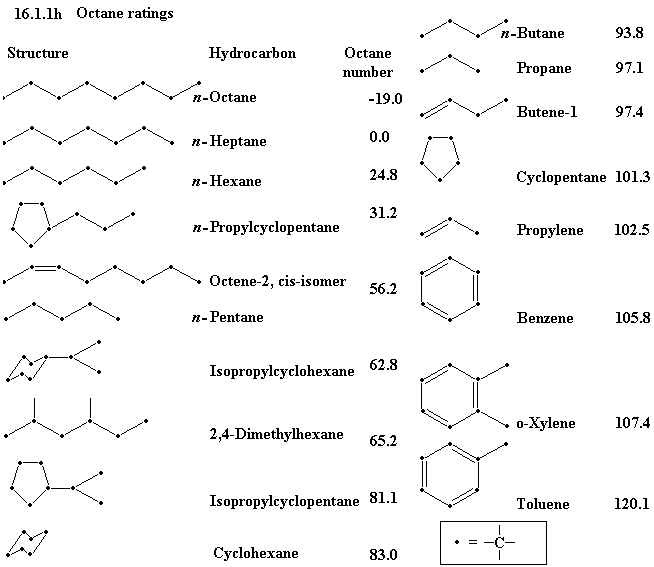
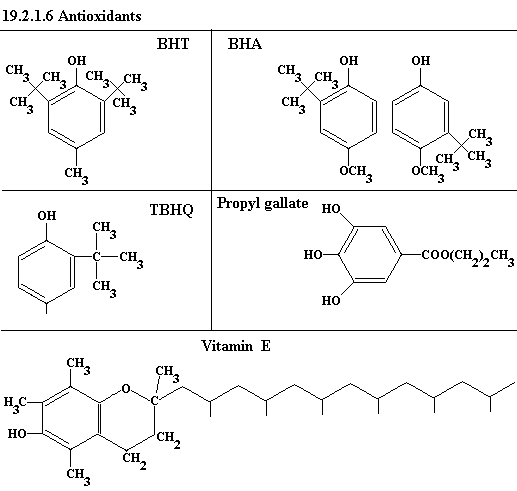
Aromatics, benzene, toluene, naphthalene: 16.3.4.0
Coal tar products, creosote: 16.2.10
Relative sweetness of some artificial sweeteners: 19.2.8
Separate by chromatography, green leaves: 3.24
Steam distillation, water and fat content, food: 10.5.5
This page was generated automatically from the original page on John Elfick's School Science Lessons website. If something looks wrong, please check the original.