Chemistry Experiments, Ca to Ch
Last updated 2026-07-13 by Dr John Elfick
Chemistry, Ca to Ch
Chromate ion, CrO42-, dichromate ion Cr2O72- source
Quick links — A–Z index
"Calgon", to soften hard water
Calmagite indicator, water hardness test
Calorie, Units of work and energy
9.1.6 Carboxylic acids
9.1.7 Dicarboxylic acids
Carotenes, List of carotenes
CFCs, (See: 6.)
Chalcanthite, Copper (II) sulfate
3.9.1 Cholesterol
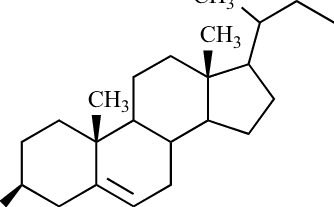
1. Cholesterol, C27H46O, a modified steroid, lipid molecule, about 25% biological cell membranes, controls membrane permeability. source
It is synthesized in the small intestine and liver
High cholesterol levels in the blood indicate the potential for atherosclerosis and coronary heart disease.
Cholesterol is a fat-like molecule, an alcohol, base of all steroids, e.g. sex hormones, bile acids, vitamin D and cortisone.
Cholesterol is not a fat, but a steroidal alcohol.
It has 27 carbon atoms, so it is not a terpene.
It is essential for the blood and cell membranes and is found in all the cells of the body.
It is produced in the liver and also comes from foods of animal origin.
It is the main sterol of animals, in body tissues, the brain and spinal cord, and in animal fats and oils.
It occurs naturally in Acanthus ilicifolius and Amaranthus hybridus.
Cholesterol is an animal tissue sterol, emulsifying, in date palm Phoenix, in marine red algae Rhodophyceae.
2. Cholesterol in the blood becomes coated with a phospholipid protein envelope called lipoprotein in a high density form (HDL) and a low density form (LDL).
In countries where people eat large amounts of meat and dairy products, their diets are high in cholesterol and saturated fats and so the mortality rate from heart disease is high.
In countries where diets are low in cholesterol and rich in the polyunsaturated fats found in vegetable oils and fish, the death rate from coronary disease is lower.
Vegetable oils contain phytosterols instead of cholesterol.
Isolation of ergosterol used to be used as evidence proving the addition of vegetable oil to animal products.
Atherosclerosis occurs when excess LDL cholesterol circulates in the blood, accumulates in the inner walls of the arteries to the heart and brain, and reacts with other substances to form a plaque that can
clog those arteries.
A blood clot can form to block a narrowed artery and can cause a heart attack or stroke.
So the levels of HDL cholesterol and LDL cholesterol in the blood are measured to evaluate the risk of heart attack.
An LDL cholesterol level < 130 mg / dL is optimal for most people.
However, an LDL cholesterol level > 130 mg / dL reflects an increased risk of heart disease, so LDL cholesterol is called "bad" cholesterol.
Up to one fourth of blood cholesterol is carried by high density lipoprotein (HDL).
It is called "good" cholesterol, because it may protect against heart attack by carrying cholesterol away from the arteries and back to the liver, to be excreted from the body.
Most people can raise their HDL (good cholesterol) levels by exercising, not smoking and staying at a healthy weight.
3. Triglyceride levels < 150 mg / dL are normal.
Triglyceride levels from 150-199 are borderline high.
Levels that are borderline high or high (200 mg / dL to 499 mg / dL) may need medical treatment.
Triglyceride levels of 500 mg / dL or above are very high.
Doctors need to treat high triglycerides in people who also have high LDL cholesterol levels.
People with high triglycerides often have a high total cholesterol, a high LDL cholesterol and a low HDL cholesterol level.
People with heart disease, diabetes or who are obese are likely to have high triglycerides level, high LDL cholesterol level and a low HDL cholesterol level.
4. LPG cholesterol is a genetic variation of plasma LDL that may cause fatty deposits in arteries.
Lpa is a genetic variation of plasma LDL.
A high level of Lpa is an important risk factor for developing fatty deposits in arteries prematurely.
The way an increased Lpa contributes to disease is not understood.
The lesions in artery walls contain substances that may interact with Lpa leading to the build up of fatty deposits.
5. Cholesterol, saturated fats and heart disease, alternative views
Some people do not believe in any connection between cholesterol and heart disease:
"It's amazing how long the myths concerning the connection between saturated fats and heart disease and cholesterol can survive despite evidence to the contrary when considering the statistics and despite the serious side effects of the drugs.
Even Ancel Keys, (the initial experimenter), has said that there is no connection between cholesterol and heart disease.
Coconuts and butter and pasture fed beef are good for you! Just read Uffe Ravnskov's "The Cholesterol Myths."
I cannot think of any topic of debate that has more lies, half-truths, serious omissions, bad science and general intellectual dishonesty than saturated fat and cholesterol.
This I believe is down to vested interests.
Both the production of margarine and statins are highly profitable.
The only scientific study showing saturated fat in negative light was the Seven Countries done by Ancell Keys, where he in fact had data from 22 countries, but cherry picked data to show a pre-determined outcome.
This is classic bad science.
No other scientific study concurs with his finding since from the 1930's in the USA as the pre-capita consumption of traditional animal fats decreased and the consumption of vegetable oil and margarine went up, heart disease took off and increased rapidly, so if anything, saturated fat protects against heart disease.
As it has been pointed out on the radio program, the consumption of coconuts and coconut oil is high in the Philippines and Pacific Islands.
This being the case if saturated fat causes heart, disease then heart disease should be highly prevalent in these places, but this does not appear to be the case.
What does cause heart disease is trans fat found in margarine and hardened vegetable oil.
It is a by product of partial hydrogenation.
3.9.4a Carboxylic acids
Fatty acids are open chain aliphatic monocarboxylic acids derived from, or in esterified form in an animal or vegetable fat, oil or wax.
Natural fatty acids usually have an unbranched chain of 4 to 28 carbons that may be saturated or unsaturated.
All acyclic aliphatic carboxylic acids may be called fatty acids.
Carboxylic acids, R-(COOH)n, contain the carboxyl group -CO.OH, i.e -COOH, carbonyl group attached to an hydroxyl group, and are weak acids. are weak acids, e.g ethanoic acid (acetic acid) CH3COOH, so the general formula is RCOOH. source
An anion formed from carboxylic acid is called a carboxylate.
The carbonyl group (carboxy) is -COOH.
Oxo acids have a carboxy group and an aldehyde or ketone group in the same molecule, e.g. HC(=O)CH2CH2CH2C(=O)OH, 5-oxopentanoic acid.
Carboxylic acids, one carboxyl group (R-COOH, RC(=O)OH) (-oic acid) fatty acids
Some carboxylic acids:
The general formula of carboxylic acids is RCOOH.
Methanoic acid, formic acid, HCO2H, HCOOH source
Ethanoic acid, acetic acid, CH3CO2H, CH3COOH, CH3C=OOH). source
Oxalic acid, ethanedioic acid, HO2CCO2H, (COOH)2 source
Butanoic acid, butyric acid, CH3(CH2)2COOH, CH3CH2CH2COOH. source
9.0 Chlorophenol red, acid-base indicator
Chlorophenol red (dichlorophenolsulfonephthalein), C19H12Cl2O5S source
pK: 6.25
pH colour change: 4.8-6.4
Acid: yellow, Base: red
It can detect chlorine dioxide in drinking water, green to brown-green or brown powder, crystalline powder, crystals, granules or lumps
It is soluble in ethanol, and has a "pharmacy smell".
9.1.6 Carboxylic acids
9.1.7 Dicarboxylic acids
Dicarboxylic acids, 2 carboxyl groups (suffix: -dioic acid)
Examples
Ethanedioic acid, (oxalic acid) | (COOH)2 | (CO2H)2 | H2C2O4 | HO−C(=O)−C(=O)−OH | source
Propanedioic acid, (malonic acid) | CH2(COOH)2 | C3H4O4 | source
Butanedioic acid: Maleic acid, cis HO2CCH=CHCO2H | Fumaric acid, transHO2CCH=CHCO2H, (So two Butanedioic acids!) source
Succinic acid | (CH2)2(CO2H)2, | C4H6O4 | source
Butanoic acid (n-butyric acid) | C3H7COOH | CH3CH2CH2CO2H | source
Hexanedioic acid (adipic acid) | (CH2)4(COOH)2 | (food additive E355)
9.1.10 Cellulose digestion
The cotton fibers from harvested cotton bolls, called lint, are cleaned by chemicals to remove any remaining impurities, then treated with a solution of sodium hydroxide, called mercerization, to break down the cellulose fiber, then mechanically grinding the lint into a fine powder. Prepared by treating cotton with an organic solvent to de-wax it and removing pectic acids by extration with a solution of sodium hydroxide. Cellulose is Insoluble in water, but soluble sulfuric acid, concentrated zinc chloride solution and in cupric ammonium hydroxide (Cu(NH3)4(OH)2) solution. Cellulose is a fibrous substance that helps to provide plants with a rigid structure. source
It is the most important plant polymer, making up some 40-50% of the mature plant cell wall.
It is also the most abundant carbohydrate.
The molecules are very large and long and contain carbon, hydrogen and oxygen.
Cellulose is a very stable substance at ordinary temperatures The micro-organisms that can decompose and thus recycle it are extremely important in sustaining the turnover of organic matter for the rest of the living world.
It often occurs in a complex mixture with lignin, another plant polymer, called lignocellulose, in wood, forest and agricultural wastes, and in waste paper.
Cellulose is not soluble in water, so micro-organisms cannot absorb it into their cells However, they can secrete the enzyme cellulase, C18H32O16, to partly digests the cellulose to soluble sugar molecules, which the microbes can use. source
Higher organisms do not make cellulase, so herbivores cannot digest cellulose by themselves.
They depend on cellulolytic bacteria in their intestinal tracts to digest the cellulose for their use.
On land, the major decomposers of cellulose are fungi, aided by a few aerobic and anaerobic bacteria.
In marine habitats, bacteria are responsible for breaking down cellulose, but in fresh water aquatic fungi carry out this function in well-aerated zones.
Then bacteria play an increasingly important role as the amount of oxygen diminishes.
Cellulolytic bacteria include species of Cellulomonas, Pseudomonas and Ruminococcus.
Cellulolytic fungi include Chaetomium, Fusarium, Myrothecium and Trichoderma.
Cellulases are used in the processing of fruit and vegetables to destroy the cell walls.
38.0 Chemicals standards
ACS, Reagent (American Chemical Society), high quality chemical for laboratory use.
GR, (Guaranteed Reagent), for analytical chemistry, meet or exceeds ACS requirements.
AR, Analytical Reagent, for laboratory and general use, also AR (ACS).
Primary Standard, AR of exceptional purity, for standardizing volumetric solutions and reference standards.
Reagent, highest quality on sale, available on set specifications.
OR, (Organic reagent), for research.
Purified, good quality, no official standard inorganic chemical.
Practical, good quality, no official standards, general applications.
Practical grade organic chemicals may contain isomers of intermediates.
Lab Grade, for histology methods and general applications.
USP, (US Pharmacopoeia).
USP / GenAR (European Pharmacopoeia, PhEur, EP), and British Pharmacopoeia, (BP).
The United States Pharmacopoeia and The National Formulary (USPNF), is a book of public pharmacopoeia standards.
It contains standards for (chemical and biological drug substances, dosage forms, compounded preparations), excipients, and dietary supplements.
FCC, (Food Chemical Codex).
CP, (Chemically Pure), general applications.
Technical, general industrial use.
| pH | Solution A | Solution B | pH | Solution C | Solution D |
| - | mL | mL | - | mL | mL |
| 10.0 | 25 | 21.8 | 6.0 | 14.6 | 25 |
| 9.6 | 25 | 18.0 | 5.6 | 18.1 | 25 |
| 9.2 | 25 | 13.0 | 5.2 | 21.6 | 25 |
| 8.8 | 25 | 8.0 | 4.8 | 25 | 24.3 |
| 8.4 | 25 | 4.0 | 4.4 | 25 | 19.8 |
| 8.0 | 1.4 | 50 | 4.0 | 25 | 15.7 |
| 7.6 | 3.4 | 50 | 3.6 | 25 | 11.9 |
| 7.2 | 3.8 | 25 | 3.2 | 25 | 8.2 |
| 6.8 | 7.4 | 25 | 2.8 | 25 | 8.2 |
| 6.4 | 11.1 | 25 | 2.4 | 50 | 3.4 |
Cadalene
Cadalene, C15H18, sesquipertene derivative, cadalin, polycyclic aromatic hydrocarbon source
It occurs in essential oils of many plants, e.g. Pinaceae.
Cadinene
Cadinene, C15H24, sesquiterpene, bicyclic sesquiterpene, beta-cadinene. source
It occurs in Juniperus oxycedrus
Cadmium, Cd
Cadmium, Cd
Cadmium, Table of the Elements
Cadmium, RSC
Cadmium, Cd, (Latin cadmia 'calamine mineral', a zinc ore), lumps, rods, AAS solution, granular, powder
Highly toxic, Not permitted in schools, toxic at low concentrations.
Cadmium metal is soft silver-white or blue-white colour, shiny metal, usually combined with other elements, e.g. cadmium chloride, cadmium sulfite.
As a fine powder, it burns to release toxic fumes of cadmium oxide.
Cadmium is used for cadmium plating against corrosion, in nuclear reactors and in films sensitive to ultraviolet light.
The reference voltage in a Western Standard cadmium cell, Cd / Zn alloys in low melting point solders and aluminium solders, Ni-Cd batteries (Nicad), phosphorescent coating of TV tubes.
The artist's paint, cadmium sulfide, CdS, can be green, yellow and orange.
Cadmium looks like zinc, but make a crackling sound like tin when bent.
Oysters in polluted water may accumulate cadmium.
In former Communist countries, the practice of collection of "night soil" as a fertilizer, caused cadmium pollution of low-lying agricultural soil.
Cadmium is toxic, because it competes with Zn and Ca and can deprive the body of zinc by binding with proteins instead of zinc.
Large concentrations cause painful bone ailments and bone porosity in Japan, called itai-itai.
The human body gets rid of excess Cd by deposition in the kidneys and liver.
Atomic number: 48, Relative atomic mass: 112.41, RD 8.64, MP = 321oC, BP = 765 oC.
Specific heat capacity: 230 J kg-1 K-1.
Cadmoselite, rare cadmium mineral containing cadmium (II) selenide, CdSe
Cadmium is used in metal plating and battery-industry stabilizing agents in polyvinyl chloride (PVC) products, alloyed with copper for automobile radiators, component of petrol, diesel fuel, lubricating oils.
Cadmium compounds
Cadmium and its compounds are stable, some compounds soluble, e.g. cadmium chloride, other compounds insoluble, e.g. cadmium oxide.
Cadmium acetate dihydrate, C4H6CdO4.2H2O, Cadmium acetylacetonate, C10H14CdO4, Cadmium bromide tetrahydrate, Br2Cd.4H2O source
Cadmium carbonate, CCdO3, Cadmium copper, copper containing about 1% cadmium, is used in telephone lines. source
Cadmium chloride, AAS Solution, cadmium chloride std, Not permitted in schools
Cadmium chloride anhydrous, CdCl2, cadmium chloride hydrate, CdCl2.xH2O source
Cadmium chloride is used in the dyeing and printing of fabrics, in electronics component manufacture and in photography.
Cadmium disulfide, photosensitive semiconductor
Cadmium iodide, CdI2, white lustrous, flaky odourless crystals, becoming yellow in light and air. source
Cadmium oxide, CdO, monteponite, "probable carcinogen", Not permitted in schools
Cadmium oxide is used in electroplating, in semiconductors, and in glass and ceramic glazes.
Cadmium (II) selenide, CdSe, cadmium (II) selenide, cadmoselite mineral, cadmium red, craft overglaze, "pigment red 108"
Cadmium (II) selenide, transparent to infrared light, photosensitive semiconductor
Cadmium (II) selenide, cadmoselite is a rare cadmium mineral containing cadmium (II) selenide, CdSe.
Cadmium sulfo-selenide (cadmium red, red 108) Not permitted in schools
Cadmium sulfate (cadmium yellow, yellow 37), Cadmium sulfate hydrate, CdO4S.xH2O source
Cadmium sulfide, CdS, craft yellow overglaze, cadmium yellow, pigment yellow 35, 36, semi-conductor, in light detectors
Cadmium sulfide (cadmium orange, orange 20, cadmium vermilion red), most colours, except blue
Cadmium sulfide is used in the electronics industry for photocells and light-emitting diodes, curing agent in tires.
Cadmium sulfide, greenrockite mineral, hawleyite mineral, insoluble in water
Cadmium telluride thin films in solar cells to replace silicon panels
Cadmium minerals:
Cadmoselite, CdSe, cadmium (II) selenide
Cadmium sulfide, CdS, greenrockite
Greenockite, CdS, cadmium sulfide mineral
Hawleyite, CdS, cadmium sulfide mineral
Cadmium reactions
Heat substances with charcoal and fusion mixture: 12.11.3.8, (See: 4. Test for cadmium.)
Nickel-cadmium battery, NiCad battery: 33.1.8.5
Reactions of cadmium sulfate solution: 12.7.1
Tests for cadmium: 12.11.3.15
Weston Standard Cell, "Cadmium cell": 33.1.9
Caesium, Cs
Caesium, Cs
CaesiumTable of the Elements
Caesium, RSC
Caesium (Cesium) Cs (Latin caesious blue-green, refers to spectral lines), caesium ion Cs+
Caesium melts in boiling water, caesium minerals, most electropositive and alkaline metal, MP 301.65 K.
Caesium 133 is used for very accurate atomic clocks, define the atomic second, in GPS technology.
Caesium has "sky blue" lines in its spectrum, Latin, caesium, colour of the sky
Discovered with spectroscope by Robert Bunsen and Gustav Kirchhoff in 1860
Caesium reacts explosively with water and may shatter the container.
2Cs + 2H2O → 2CsOH + H2 source
caesium + water → caesium hydroxide + hydrogen gas source
Time, the present, seconds, leap second, (Caesium 133 atom)
CaesiCafestol
Cafestol, C20H28O3, a diterpenoid, obtained from the unsaponifiable fraction of coffee oil from coffee beans. source
It is hypoglycemic, antineoplastic, antioxidant and an anti-inflammatory.
It is an organic heteropentacyclic compound, a tertiary alcohol, a diterpenoid, a member of furans and a primary alcohol.
Cafestol occurs in Coffea arabica, and in unfiltered form such as French press coffee or Turkish coffee/Greek coffee.
It occurs in Coffea congensis, and Diplospora dubia.
um compounds
Cesium acetate, C2H3CsO2 source
Cesium bromide anhydrous, BrCs
Cesium carbonate, CCs2O3 source
Caesium sulfate
Caesium sulfate, Cs2SO4, cesium sulfate, dicesium sulfate, white pellets, large crystals, powder chunks, water soluble source
It is used to prepare dense aqueous solutions, and is harmful if ingested.
Caffeoyl-D-glucose
Caffeoyl-D-glucose, C15H18O9, (6-Caffeoyl-D-glucose), Glucosyl caffeate It occurs in Solomon leaves, Datura leaves, Petunia flowers, and in Cestrum leaves. source
N-Caffeoylputrescine
N-Caffeoylputrescine, C13H18N2O3, paucine, phenylpropanoid, phenolic compound source
It occurs in Nicotiana tabacum flowers, Iochroma leaves, Pentaclethra seeds, and in Salix
5-O-Caffeoylshikimic acid
5-O-Caffeoylshikimic acid, Dactyliferic acid, "date acid", C16H16O8, phenylpropanoid, carboxylic ester, a monocarboxylic acid source
It occurs in dates Phoenixdactylifera, Butia, and in Tsuga.
Carboxyarabinitol 1-phosphate
Carboxyarabinitol 1-phosphate, C6H13O10P source
Carboxyarabinitol 1-phosphate sugar alcohol, affects enzymes controlling diurnal regulation of plant metabolism.
It occurs in Phaseolus vulgaris leaves, in Glycine max, in Vigna, in Cucumis, in Nicotiana tabacum, in potato Solanum tuberosum.
Calcein
Calcein, C30H26N2O13, green fluorescent dye, used to determine calcium and label bones source
Calico
Calico, "calico cloth" was imported from Calcutta, is now plain white unbleached unprinted cloth and unbleached semi-processed cotton.
It is used in bags, in buffing wheels, but, in North America, it is printed cotton cloth.
Californium, Cf
Californium, Cf
Californium, Table of the Elements
Californium, RSC
Californium was first made at "California University", radioactive, metallic actinide series
Campesterol
Campesterol, C28H48O, a phytosterol, component of plant cell membranes, inhibits absorption of cholesterol. source
It is used to treat cardiovascular diseases, because of cholesterol-lowering and anti-carcinogenic effects.
It occurs in seed oil of
Brassica rapis, Fagopyrum esculentum, wild mustard, margarines, vegetable oils, seeds, nuts, fruits, vegetables, legumes, and in avocados.
Camphene
Camphene, C10H16, bicyclic monoterpene, colourless to white crystals, almost insoluble in water, pungent camphor smell, when heated emits irritating flammable vapours and acrid smoke. source
It is used to manufacture synthetic camphor for insecticide moth balls.
It is produced synthetically from oil of turpentine, store in cool dark place tightly sealed containers protected from heat and light.
It occurs in camphor laurel tree, carrot, dill, fennel, tarragon, marjoram, thyme, nutmeg, parsley, and pepper.
Camphor
Camphor, C10H160, cyclic monoterpene ketone, smells like mothballs, occurs in (Connamomum camphora) source
Canada balsam
Canada balsam from balsam fir, contains pinene, C10H16. source
Abies balsamea, Balsam fir
Prepare Canada balsam mounting solution: 6.1
Canin
Canin, C15H18O5, chrysartemin A, a sesquiterpene lactone, a guaianolide, cytotoxic, antitumour, plant growth regulation, insect antifeedant. source
It occurs in Artemisia, Tanecetum, and in Handelia.
Cannabinoids
Cannabinoids are compounds closely related to cannabinol and the active constituents of cannabis.
Cannabinoids are usually anti-oxidant, anti-inflammatory, anti-cancerous, and can be used as local anaesthetics.
Caryophyllene, C15H24, bicyclic sesquiterpene, 3 isoprene units, contains a cyclobutane ring (CH2)4. source
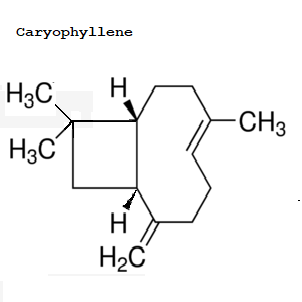
Caryophyllene oxide, isolated from unsaponified petroleum ether extract of the bark of (Annona squamosa), for analgesic and anti-inflammatory activity.
Capillarisin
Capillarisin, C16H12O7, a coumarin, stimulates bile production, in (Artemisia capillaris) aerial parts. source
Capillin, C12H8O, aromatic ketone, an acetylene source
Capisterone
Capisterone A and B, C32H50O8S, from marine algae source
Capric
Capric alcohol, 1-decanol, C10H22O, clear colourless liquid, sweet fat-like odour, insoluble in water source
Capryl alcohol, 1-octanol, C8H18O, clear colourless liquid, aromatic odour, insoluble in water, floats on water, irritate eyes, nose source
Caprylic acid, C8H16O2
Caprylic acid, C8H16O2 source
Caprylic acid, Octanoic acid, straight-chain and medium-chain saturated fatty acid, colourless to light yellow liquid, mild odour, burns, but difficult to ignite.
It is corrosive to metals and tissue, antibacterial agent, and occurs in milk of mammals, coconut oil, and palm kernel oil.
Capsanthin
Capsanthin, C40H56O3, xanthophyll carotenoid, keto-carotenoid pigment (ketone). source
E160c: Capsanthin food additive, Paprika extract, (Capsorubin).
Capsidiol
Capsidiol, C15H24O2, bicyclic terpene, dihydroxylated sesquiterpenoid, a phytoalexin biosynthesized after fungal infection, antimicrobial. source
It occurs in tobacco (Nicotiana tabacum), (Nicotiana silvestris), and in chili pepper (Capsicum annuum).
Capsorubin
Capsorubin, C40H56O4, keto-carotenoid pigment, a carotenone, occurs in (Capsicum annuum). source
E160c: Capsorubin food additive, Paprika extract, (Capsanthin, red paprika pigment.
Carbides
Carbides, C 4- are binary compounds of:
1. C + electropositive element, e.g. calcium carbide, CaC2. source
2. C + heavy metal, for cutting tools, e.g. aluminium carbide, Al4C3, chromium carbide, Cr3C2, iron carbide Fe3C (cementite). source
Tungsten carbide ("carbide", WC), is used for cutting tools, milling tools, abrasives, jewellery.
Iron carbide is formed with carbon monoxide when iron oxide is heated with charcoal.
3Fe2O3 +11C → 2Fe3C + 9CO (g) source
Types of carbides:
Methanides
1. Methanides, e.g. aluminium carbide, Al4C3 source
Hydrocarbyl anions, methyl anion, conjugate base of methane
Methanides + water → methane source
Al4C3 + H2O → Al(OH)3 + CH4 source
2. Acetylides, e.g. calcium carbide, CaC2 source
Acetylides, salts of acetylide anion, C2 2-, (percarbide).
Acetylides are formed by alkali metals, alkaline earth metals, lanthanoid metals, e.g. sodium carbide Na2C2, lanthanum carbide LaC2, aluminium carbide Al4C3, iron carbide (cementite) Fe3C. source
Acetylides (percarbides), C2 2- + water → acetylene. source
Sodium acetylide C2HNa, Copper (I) acetylide Cu2C2. source
Calcium acetylide CaC2 is commonly called calcium carbide. source
Calcium carbide CaC2 (calcium dicarbide, "carbide", calcium acetylide, acetylenogen, ethnide dicarbide, Toxic by all routes. source
CaC2 + 2H2O → C2H2 + Ca(OH)2. source
calcium carbide + water → acetylene + calcium hydroxide. source
Covalent carbides:
Covalent carbides, Boron carbide B4C, very hard material, is used in armour. source
Silicon carbide, SiC (carborundum), abrasive, moissanite synthetic gemstone, emery paper, sanding paper, sharpening stone, fine particles, Toxic by inhalation.
Sesquicarbides:
Sesquicarbides, e.g. magnesium carbide, Mg2C3 source
C3 4-
Mg2C3 + H2O → Mg(OH)2 + C3H4 source
magnesium carbide + water → magnesium hydroxide + propyne (methylacetylene, CH3C≡CH source
Carborane
Carborane, C2H2B10 source
A carborane called o-Carborane, C2B10H12, (1,2-Dicarbadodecaborane), in heat-resistant polyhedra clusters, causes convulsions, medical applications source
Carboranes are heteroboanes, which have "organomimetic" properties
Carborundum
Silicon carbide, SiC (carborundum), abrasive, moissanite synthetic gemstone, emery paper, sanding paper, sharpening stone, fine particles, Toxic by inhalation.
Carene
Carene, C10H16, bicyclic monoterpene, delta-3-carene, sweet, pungent odour, alpha-carene flavouring ingredient. source
It occurs in allspice, cedar, rosemary, and in Turpentine tree, (Syncarpia glomulifera), Myrtaceae.
Carotenes
* Alpha-carotene (α-carotene), C40H56, carotenoid pigment, Vitamin A precursor, are used as yellow food colouring, in green leaves of many plants. source
They occur in in carrot roots, in maize seed, in oil palm and in tomato.
* Beta-carotene (β-carotene), C40H56, carotenoid pigment, Vitamin A precursor, wide occurrence most green leaves and coloured fruits and vegetables. source
They are used as yellow food colouring of fats, e.g. margarine, used as sunscreen, red-purple oil, not soluble in water, in dark orange sweet potato.
β-Carotene, Type II, synthetic, 95% (HPLC), crystalline, β, β-Carotene, Provitamin A, C 40 H 56, commercial
* Gamma carotene (γ-carotene), C40H56, carotenoid pigment, Vitamin A precursor source
E160e, Beta-apo-8' carotenal
E160f, Ethyl ester of beta-apo-8
Delta-carotene, Zeta-carotene
β-carotene) 5,6-epoxide β-Carotene, Type II, synthetic, 95% (HPLC), crystalline, β, β-Carotene, Provitamin A, C40H56 source
Carotene epoxide, zeta-Carotene epoxide, (1,2-Epoxy-1,2-dihydro-z-carotene), C40H60O, occurs in garden tomato, and cherry tomato, (Solanum lycopersicum var. cerasiforme). source
Carveol
Carveol, C10H16O, monocyclic monoterpene, p-mentha-6, 8-dien-2-ol, monocyclic monoterpenoid alcohol, terpene alcohol, flavouring agent, food additive. source
It is antiparasitic, anticancer (breast cancer), food additive fragrance.
It occurs in black walnut, many essential oils, e.g. Thyme oil and Origanum oil, orange and grapefruit juice, kumquat and pommelo peel oil, and in caraway seeds.
It occurs in spearmint, (Mentha spicata sub spicata), oil of grapefruit, mandarin, blackcurrant, celery, black tea, caraway seed, and in lamb's lettuce.
Carvone
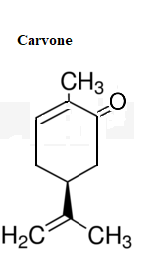
Carvone, C10H14O, a monoterpenoid, a monocyclic monoterpene, volatile terpenoid ketone, colourless to slightly yellow liquid. source
It is used to prevent potatoes sprouting, repel mosquitos, and was an ancient Roman medicine.
It is very abundant in caraway seed, and occurs in dill, spearmint, costmary, kuromoji and other oils.
Flavouring agents: D-carvone has a caraway odour, and L-carvone has a spearmint odour.
Carvonic acid, C10H12O3, is a terpenoid from carvone. source
Caryophyllene
Caryophyllene, C15H24, iso-carryophylene, bicyclic sesquiterpene in two main forms: 1. beta-caryophyllene, BCP, 2. trans-caryophyllene, TC. source
BCP is widespread in plants and in essential oils of oregano, cinnamon, black pepper, also in cloves, hops, rosemary, basil, marjoram, peppermint, spearmint and hemp.
BCP is a pale yellow oily liquid with a clove-turpentine, weak aromatic taste, gives black pepper a spicy woody flavour used as a food additive and in cosmetics.
BCP is a dietary cannabinoid, a major component in hemp (Cannabis sativa), and is possibly anti-cancerous.
Casbene
Casbene, C20H32, casbene synthase enzyme, diterpene antifungal agent. source
Cembrene, C20H32, Thunbergen, cembrane diterpenoid. source
Casein
Casein, C81H125N22O39P, (Latin caseus cheese), about 3% of milk and essential for cheese. source
Casein is a mixture of phosphoproteins and is a lyophilic colloid, like albumin and gelatin.
Casein is a globular protein.
Casein, milk casein, casein plastic, (artificial horn), thermoset plastic
Milk casein, phosphoprotein thermoplastic polymer, is used for insulators, buttons, handles, adhesives, artist's priming paint.
Casein formaldehyde was made from milk, soy beans, wheat, may look like celluloid or artificial horn, was used to make buttons, umbrella handles.
Casein, milk casein, burning test: 4.3.2
Casein, thermosetting polymers: 3.0.3
Casein and caseinates, Milk proteins: 16.3.0
Cheese making: 16.2.4
Clot on boiling test, (C.O.B. test): 16.1.2, milk sample
Fibrous proteins and globular proteins: 16.6.0, (See: 2. Globular proteins)
Prepare casein plastic from milk: 3.3.5
Prepare urea-formaldehyde resin: 3.3.12, (See: 2.)
Regular cows milk, fresh milk, full cream milk, whole milk: 16.2.1a
Size of colloidal particles: 11.3.0, precipitate casein
Catalase
Catalase is a common enzyme in animal and plant cells that catalyses the decomposition of hydrogen peroxide to water and oxygen.
Catalase occurs in almost all aerobically respiring organisms and serves to protect cells from the toxic effects of hydrogen peroxide and promotes the growth of some cells in the human body.
Catalase is a heme enzyme that is present in the peroxisome of nearly all aerobic cells.
Catalase is a key antioxidant enzyme in the bodies defense against oxidative stress.
Catalase converts the reactive oxygen hydrogen peroxide to water and oxygen and thereby mitigates the toxic effects of hydrogen peroxide.
Catalase promotes growth of cells including T-cells, B-cells, myeloid leukemia cells, melanoma cells, mastocytoma cells and fibroblast cells.
Oxidative stress is hypothesized to play a role in the development of many chronic or late-onset diseases such as diabetes, asthma, and cancers.
12.6.0 Bleaches in washing powders
19.2.12 Boiling, test the cooking water of boiled vegetables, (See: 7.)
17.7.16 Hydrogen peroxide with catalase in raw beef liver
17.7.17 Hydrogen peroxide with catalase -.Disproportionation
17.7.10 Hydrogen peroxide on cut potato
17.7.9 Hydrogen peroxide on cut skin
17.7.20 Hydrogen peroxide with yeast, elephant's toothpaste reaction
9.3.23 Test for zymase and catalase in yeast
Catalysts
Catalyst: 7.4.7
Catalysis, catalysts: 17.3.0 (Experiments)
Alumina as a catalyst in the cracking process: 12.3.1
Browning reactions of fruits and vegetables: 19.2.3.1
Bleaches in washing powders: 12.6.0
Catalytic conversion of nitric oxide: 3.44.1
Catalytic converter in a motor vehicle: 18.6.1
Catalytic cracking of kerosene: 10.3.8
Cracking, Thermal cracking, Catalytic cracking
Catalytic oxidation of ammonia, with red-hot platinum wire: 3.3.4
Catalytic oxidation of ammonia, with chromium (III) oxide: 3.3.5
Catalytic oxidation of ammonia solution, with oxygen gas: 17.3.3
Catalytic oxidation of methyl alcohol, and ammonia solution: 17.3.2
Prepare oxygen gas with hydrogen peroxide: 3.49.0, manganese (IV) oxide
Propane C3H8, (catalytic cracking): 16.6.2.0 source
Catharanthine, C21H24N2O2
Catharanthine, C21H24N2O2 source
Catharanthine, terpene indole alkaloid, in Catharanthus roseus
It is hypoglycaemic, dilates small mesenteric arteries, decreases heart rate and cardiac contractility, and occurs in Vinca rosea.
Caustic
A caustic substance is very alkaline, with pH approaching 14.
It can dissolve skin and fat to form soap, e.g. caustic soda NaOH, caustic potash KOH
Cedrol
Cedrol, C15H26O, sesquiterpene alcohol, essential oil of conifers, cedarwood oil, in Cupressus and Juniperus. source
Cellophane
"Cellophane" is the trade name for a glossy transparent wrapping material.
Modified cellulose (cellophane is a trade name from, cellulose + (French diaphane transparent).
cellulose + alkali + carbon disulfide → viscose through sulfuric acid and sodium sulfate → cellulose + glycerine → cellophane rayon source
Cellophane is used in food and cigarette packages, "Sellotape", "Scotch Tape", dialysis tubing (Visking tubing).
Cellophane absorbs moisture, is used in children's item "Fortune Telling Fish".
Experiment
9.1.1 Cellophane as a semipermeable membrane
Cellulose, (C6H10O5)n
Cellulose, (C6H10O5)n source
Cellulose, (C6H10O5)n, is a polysaccharide of many D-glucose units, which can form odourless, white powdery fibres. source
Cellulose is the main fibre in the cell walls of plant tissues, including wood, and cotton, which is the purest natural form of cellulose.
Cellulose, cellulose ashless, cotton wool, hemicellulose, lignin
Celluloid film (cellulose nitrate + camphor)
Celluloid: 3.5.7
Cellulose acetate: 3.5.8
Cellulose acetate sheet: 31.1.12
Cellulose digestion: 9.1.10
Cellulose, hemicellulose: 16.1.1, (Biology)
Cellulose nitrate: 3.5.9
Collodion, cellulose nitrate: 3.5.10
Cotton, burnng test: 4.2.0, (See: 2.)
Micro-organisms and cellulose: 4.3.9
Prepare rayon, basic copper carbonate with ammonia solution: 3.3.8
Prepare rayon, copper (II) sulfate with ammonia solution: 3.3.8
Tests for cellulose: 9.3.8
Tests for wood: 9.3.22
Triboelectric series, electrostatic series: 31.1.02, (See: 17. Cellulose acetate)
Cerium, Ce
Cerium, Ce
Cerium, Table of the Elements
Cerium, RSC
Cerium, Ce (Ceres asteroid discovered just before Ce discovered by Jacob Berzelius, Sweden.
It is the most abundant rare earth, but future supply shortfall.
It is found with Lanthanum.
Cerium is used in cast iron, steel, aluminium alloys.
Cerium-iron alloy, "Auermetall", mischmetal cigarette lighter ignition flints.
Cerium, in mischmetal (German, mixed metal), cigarette lighter ignition flints.
Cerium components of rare earth elements mixture.
Cerium oxide, is used in jeweller's rouge gemstone abrasive, sweet tasting cerium salts.
It was formerly used in anti-emetic medicines, cough mixtures, now is used in diesel fuel, film set lights.
Cerium sulfate
Cerium (III) sulfate, Ce2(SO4)3, ceric sulfate, also hydrated forms, yellow to orange solid / crystals source
Cerium (IVI) sulfate, Ce(SO4)2, ceric sulfate, also hydrated forms, yellow solid / crystals source
Cerium (IV) ammonium sulfate
Cerium chloride, CeCl3
Cerium chloride, CeCl3 source
Cerium chloride, cerium (III) chloride heptahydrate, Harmful if ingested
Cerium sulfate, Harmful if ingested
Monazite CePO4 source
Cetyl alcohol, C16H34O
Cetyl alcohol, C16H34O source
Cetyl alcohol, Hexadecan-1-ol, (1-Hexadecanol), Palmityl alcohol, C16H34O, CH3(CH2)15OH, waxy white solid powder, fatty alcohol, non-ionic surfactant. source
It is used as emulsifying agent in pharmaceutical products, long chain primary fatty alcohol.
It was originally produced from whale oil, but now produced from palmitic acid, waxy white powder or flake form, insoluble in water.
in cosmetic products as opacifier, emulsifier, thickening agent, increase foaming capacity, is used to drying of skin [A32209] and skin protectant.
Toxic by all routes, highly flammable
Cetyl alcohol forms the ester cetyl palmitate C15H31.COO.C16H33, m.p. 42 oC to 47 oC. source
It is the main component of spermaceti, white wax from the head of the sperm whale.
The wax was used to make cosmetics and ointments, but nowadays we use other chemicals as substitutes to "Save the Whales"!
Ceryl alcohol, 1-hexacosanol, C26H54O, is a very long-chain primary fatty alcohol. source
Cetostearyl alcohol, C34H72O2, is waxy white solid, soapy odour, which floats on water. source
Chain reaction
A chain reaction is where one chemical reaction causes further chemical reactions.
Neutrons from an atom collide with other atoms to break them up and emit more neutrons, leading to atomic explosion.
Chain reaction, Sodium acetate heat pack: 14.11
Chamazulene
Chamazulene, C14H16, (1,4-dimethyl-7-ethylazulene), sesquiterpene lactone, dimethulene, in deep blue chamomile oil of chamomile flower (German chamomile). source
Chamomile extracts are anti-inflammatory by inhibiting the CYP1A2 enzyme, antioxidant, anti-allergenic.
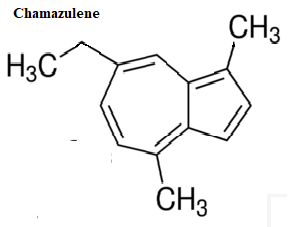
Chamazulene can be isolated from sequiterpene oils of Anise, and Chamomile.
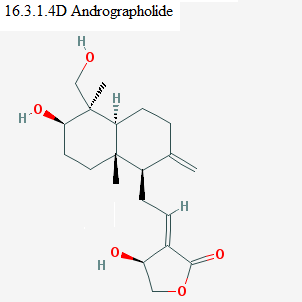
It occurs in Mugwort, Sneezewort, Wormwood, and Yarrow.
Sesquiterpene lactone matricin, C17H22O5 → azulene, C10H8 → chamazulene, C14H16. source
Chelates
Chelates, sequestrant: 19.1.8
Chelating agents, sequestering agent: 18.1.18, (Swimming pools)
Diaminoethane, ethylene diamine, C2H4(NH2)2, ligand, chelating agent, Toxic by all routes, Corrosive source
Ethylenediamine (en), bidentate ligand
Tests for water hardness, EDTA titration, Caligmite indicator: 12.3.0
Tests for water hardness, EDTA titration, Eriochrome Black T indicator: 12.3.0
Chelidonic acid, C7H4O6
Chelidonic acid, C7H4O6 source
Chelidonic acid, Jervasic acid, irritant, carbonyl compound, pyran, occurs in (Chelidonium majus).
Potassium chelidonate controls nightfall closing of leaves of (Cassia mimosoides).
Chemical
Chemistry: Chemistry, Websites
Chemical changes and physical changes: 7.6.0
Chemical changes, heat organic substances: 7.6.6
Chemical changes, heat metals in chlorine; 7.6.7
Chemical compounds: 7.4.15
Chemical correct name: , Correct names of chemicals
Chemical equations and ionic equations: 11.3.01
Chemical equilibrium: 17.5.0
Chemical fertilizers: 9.2.1
Chemical potential energy: 7.4.16, enthalpy
Chemical quantity: 3.4.11
Quantity of chemical to be used in experiments: 3.4.2
Chemical reagents: 10.0 reagents, Table
Chemical residues: 3.3.0
Chemical safety: 3.1.0
Chemical tests: Tests for all substances
Chemical vapours and smelling chemicals: 3.4.4
Chemical weathering reactions: 35.5.5
Effect of temperature on chemical equilibrium: 17.5.5.5
Energy from chemical reactions: 3.80
Chemicals
Chemicals not permitted in schools: 3.1.0, (NSW, Australia)
Chemicals spill kit: 3.4.2
Chemicals standards: 38.0, National Formulary, NF
Chemicals used in swimming pools: 18.1.0
Chemically Pure: CP, chemicals standard
Disposal of waste chemicals: 3.4.11
Handling and transferring chemicals: 3.4.10, (safety)
Health effects of chemicals: 3.0
High toxicity chemicals: 4.6.02
Home chemicals: 19.3.0
Household chemicals: 19.1.0
Laboratory safety and hazardous chemicals: 4.0
Lists of chemicals: 5.0
Low-cost chemicals and common substances: 16.0.0
Chemicals, Phytochemicals
Chemical bonds
Single bond, --, double bond =, triple bond, e.g. carbon monoxide, C≡O
Chemical bonds: 11.01.0
Chemical bonds: 11.2.0
11.01.8, Bond energy (bond strength)
Liquids with different viscosity, hydrogen bonds: 11.01.9
Tomato sauce, ketchup, catsup: 13.6.4
Water stream from a tap, faucet: 13.4.9
Chemical reactions
Chemical reactions: 12.2.0
Reactions of, (chemicals)
Common ion effect, sodium ethanoate and ethanoic acid: 17.5.2
Concentration and temperature, cobalt (II) chloride-6-water: 17.5.1
CP, (Chemically Pure), general applications, chemicals standard
Functional groups: 2.0
Hazards, (chemicals classification)
Health hazards: 5.0.0
Physical hazards: 4.0.0
Prepare, (chemicals)
Prepare reagents: 10.0
Prepare solutions of known concentration: 5.4.0
Prepare stock solutions: 5.3.0
Chemistry
topic 18 Environmental chemistry
topic 16 Organic chemistry
topic 16b Organic chemistry, Amines to Proteins
Soil chemistry: 6.3.0
Chemiluminescence
Chemiluminescence, bioluminescence
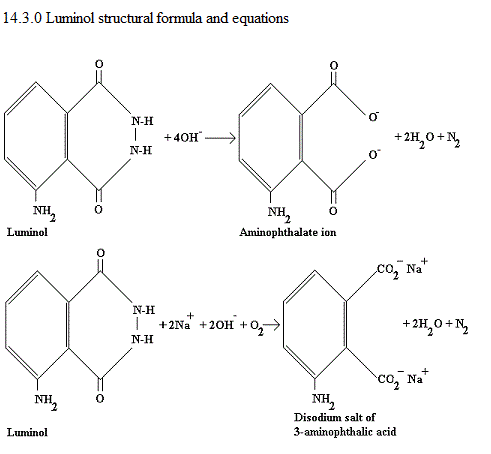
Luminescent substances emit light not, because of a rise in temperature of the substance.
Chemical reactions that produce energy not as heat, but as light are called chemiluminescent reactions.
So chemiluminescence is luminescence resulting from a chemical change
Chemical reactions in living organisms are called bioluminescent reactions, e.g. the "cold light" from the abdomen of the firefly, glow worms, luminescent fish.
Chemiluminescence is used in a "light stick", "light necklace", "light bracelet" or "glow stick" at night fairs or for Halloween activities.
The "light stick" contains dilute hydrogen peroxide dissolved in a phthalic ester solvent and contained in a very thin glass ampoule surrounded by a phenyl oxalate ester solution (Cyalume) and the fluorescent dye, fluorophore, e.g. 9, 10-bis (phenyl ethynyl) anthracene, (BPEA).
When you break the ampoule by agitating the light stick, the hydrogen peroxide and phenyl oxalated ester react to form phenol and peroxyacid ester.
The ester forms carbon dioxide and transfers energy to the dye molecule that produces a green-yellow cold light as it returns to the energy ground state.
Chicle
Chicle, polyterpene, from the sapodilla tree Manilkara zapota, grown in Mexico, was used for chewing gums, e.g. Wrigley's chewing gum.
However, in the 1960s, chewing gum manufacturers switched to butadiene-based synthetic rubbers.
3.4.0, Glass transition temperature (Tg), chewing gum, cotton
23.6.2, Latex plants
16.7.30, Tests for chewing gum quality by comparing bubbles
Cichoric acid, C22H18O12
Cichoric acid, C22H18O12 source
Cichoric acid, an hydroxycinnamic acid, occurs Chicory, (Cichorium intybus), dandelion leaves, basil, and lemon basil
Chloric acid, HClO3
Chloric acid, HClO3 source
Chloric acid, chloric (V) acid, Harmful if ingested, explosive with organic compounds, Not permitted in schools
Chloric acid, dangerous powerful oxidizing agent. Conc. sulfuric acid+ (potassium chlorate + sucrose) → chloric acid source
Chloric acid, HClO3, chloric (V) acid, or any of the oxyacids of chlorine, including the following: source
Chloro-compounds, organic
Chlorous acid, HClO2, chloric (III) acid source
Hypochlorous acid, HOCl, chloric (I) acid
Perchloric acid, HClO4, chloric (VII) acid source
Chloroacetic acid, CH2ClCOOH
Chloroacetic acid, CH2ClCOOH source
Chloroacetic acid, chloroethanoic acids, mono-, di- and tri-, Toxic, vapour highly irritant to lungs, skin
Chloroacetic acid, chloroethanoic acid, monochloroacetic acid, (use small quantities < 10 mL)
Chloroacetic acid, solution < 0.2%, Not hazardous
Organic builders in washing powders: 12.6.0
Oxyacids, oxoacids: 13.3.6
Saturated carboxylic acids: 16.3.4
Chlorophenols
Chlorophenol red (acid-base indicator): 9.0
Phenols: 16.1.3.2
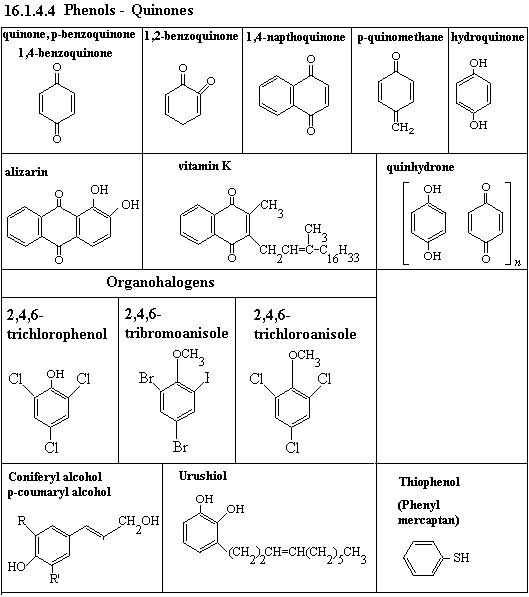
There are 19 different chlorophenols.
On combustion chlorophenols form toxic and corrosive gasses.
Upon heating, toxic fumes are formed.
Chlorophenols reacts violently with strong oxidants.
Most chlorophenols are solids, usually as needles and flakes, have strong medicinal taste and odour.
heir melting temperatures increase with number of chlorine atoms.
2,4,6-trichlorophenol is found most frequently in water near hazardous waste sites.
In sewage plants, chlorophenols are usually broken down by the bacteria.
Exposure to concentrated forms of these compounds include severe irritation and burns of the skin.
Some chlorophenols are carcinogens
Chloroplatinic acid, H2PtCl6.6H2O
Chloroplatinic acid, H2PtCl6.6H2O source
Chloroplatinic acid, hexachloroplatinic acid hexahydrate, H2PtCl6.6H2O source
or [H3O]2[PtCl6]4H2O, [platinic chloride PtCl4], (dust may trigger asthma, skin sensitivity) source
Chloroplatinic acid hydrate, platinic chloride, H2PtCl6.xH2O source
Cholesterol, C27H46O
Cholesterol, C27H46O source
3.9.1 Cholesterol
Cholesterol and fat in eggs: 13.2
Enjoy eggs every day!13.7, (See: 2.)
Glycaemic index, (GI), ("good cholesterol")
Flavonoids, (prevent bad cholesterol)
16.9.18, Statins, cholesterol-lowering drugs
Choline, C5H14NO
Choline, C5H14NO source
Choline cation, C5H14NO+, neurotransmitter, human nutrient, occurs in many plants and animal organs, a precursor of acetylcholine source
Nutritional value of eggs, wherebone large egg is 50 g, Choline 225 mg.
Choline: 16.1.7
Choline: 16.7.21.1
Enjoy eggs every day! 13.7, (See: 2.)
Nutritional value of eggs: 22.20
Phospholipids (phosphoglycerides): 16.1.10
Chondroitin sulfate
Chondroitin sulfate is found in cartilage around joints in the human body.
It can be made from shark cartilage and cow cartilage
Chondroitin sulfate, acidic mucopolysaccharides, glycosaminoglycans are long unbranched polysaccharides, repeating disaccharide units
Chondroitin sulfate proteoglycans = protein core + chondroitin sulfate, in cartilage, may relieve osteoarthritis
Chondroitin sulfate sodium salt from bovine cartilage
Chromium, Cr
Chromium, Cr
Chromium, Table of Elements
Chromium, RSC
Chromium, Cr, (Greek khrōma colour, from coloured compounds), white, hard, lustrous and brittle metal.
It is extremely resistant to ordinary corrosive agents.
It is a reactive transition metal, but forms protective oxide layer in air that prevents further oxidation and forms hard alloys with Ni or Fe.
Chromium is available as technical grade chromium, is extracted from chromite, (Fe(CrO2)2). source
It is used for chromium plated metal, hard plating Cr2O3, catalysts, in stainless and heat-resistant steel. source
Strong reducing agent Cr2+ salts blue in aqueous solution, Cr3+ salts green in aqueous solution.
CrO42- salts yellow, e.g. potassium chromate, K2CrO4. source
It is a strong oxidizing agent Cr2O72-, orange, e.g. potassium dichromate, K2Cr2O7. source
Chromium deficiency reduces tolerance to glucose.
Chromium, Cr, metal, AAS Standard, lumps, coating grit, chips, powder
Chromium-151, reactor-produced medical radioisotope, half-life 27.7 days, used to label red blood cells
Chromium (II), Cr2+, strong reducing agent, blue salts in aqueous solution
Chromium (III), Cr3+, green salts in aqueous solution
Atomic number: 24, Relative atomic mass: 51.996, RD 7.19, MP = 1890 oC, BP = 2482 oC.
Specific heat capacity: 448 J kg-1 K-1.
Chromium plating, electroplating: 15.1.3
Chromium toxicity: 4.6.5
Reactions of chromium compounds: 12.8.0
Tests for chromium: 12.11.3.17
Tests for chromates: 12.11.5.9
Chromium compounds
Chromium (III) compounds, very small quantities of chromium (III) compounds are essential for health and well-being
Chromium (VI) compounds are usually highly toxic, soluble in water and solutions are powerful oxidizing agents in acidic conditions.
However, it is less oxidizing under alkaline conditions.
Calcium chromate, CaCrO4, yellow powder, slightly soluble in water source
Chromium salts, Chromium, chromic acid toxicity: 3.6.5
Chromous salts are chromium salts in the (II) oxidation state, form blue solutions
Barium chromate, BaCrO4 source
Chrome alum, K2SO4.Cr2(SO4)3.24H2O source
Chrome iron ore, FeCr2O4, chromite source
Chrome red, PbO.PbCrO4, basic lead chromate source
Chrome yellow, PbCrO4, lead chromate pigment source
Chromic nitrate, chromic nitrate hydrated, chromium (III) nitrate nonahydrate
Chromic potassiumsulfate, KCr(SO4)2.12H2O source
Chromium hexacarbonyl, C6CrO6 source
Chromium (II) acetate, dimer monohydrate, C8H16O10Cr2 source
Chromium (II) chloride, chromic chloride, Cl2Cr source
Chromium (II) oxide, CrO, insoluble black powder
Chromium (III) acetate, chromium (III) ethanoate, chromic acetate, chromium acetate, Harmful if ingested
Chromium (III) chloride, Cl3Cr source
Chromium (III) chloride hexahydrate, Cl3Cr.6H2O source
Chromium (III) hypochlorite
Chromium (III) nitrate, (CrN3O9, green crystals, very soluble in water), is used in pickling. source
Chromium (III) nitrate nonahydrate, Cr(NO3)3·9H2O, CrN3O9.9H2O, [Cr(H2O)6](NO3)3•3H2O, red-violet crystals, very soluble in water source
Chromium (III) phosphate, CrH8O8P, Chromium (III) phosphate tetrahydrate source
Chromium (III) potassium sulfate dodecahydrate, CrKO8S2.12H2O source
Chromium (IV) oxide, CrO2, insoluble black powder source
14.3.5 Heat of reaction, chromium (VI) oxide with ethanol
Chromium (VI) oxide, chromium trioxide, CrO3 source
Copper-chromium alloys: 5.5.14
Oxidize chromium compounds to chromates, CrO42-: 12.5.5 source
Prepare potassium dichromate, K2Cr2O7: 12.5.6 source
Potassium chromate, K2CrO4 source
Potassium chromium sulfate, KCr(SO4)2.12H2O source
Potassium dichromate, K2Cr2O7 source
Reactions of chromates, CrO42-: 12.5.4 source
Chromium, Reactions of chromium, Cr, and chromium compounds: 12.8.0
Reactions of dichromates, Cr2O72-, potassium dichromate: 12.5.3 source
Tests for chromates: 12.11.9
Chromates
Chromates, -CrO42-, usually yellow salts source
Chromates, dichromates, hazards: 3.7.4
Movement of copper and chromate ions: 33.89
Reactions of chromates: 12.5.4
Tests for chromates: 12.11.5.9
Chrome alum, K2SO4.Cr2(SO4)3.24H2O | CrK(SO4)2.12H2O
Chrome alum, K2SO4.Cr2(SO4)3.24H2O | CrK(SO4)2.12H2O source
Prepare chrome alum: 12.14.4.0
Chrome alum (properties): 12.14.4.1
Chrome alum, chromium (III) potassium sulfate, chromium potassium sulfate dodecahydrate, potassium chromium (III) sulfate dodecahydrate.
It forms purple or violet-red octahedral crystals.
It is used for tanning and photography.
Chromic acid, H2CrO4
Chromic acid, H2CrO4 source
Chromic acid, Not permitted in schools
Do not prepare or use in a school science laboratory!
Cleaning agents, "chromic acid": 2.20.3
Ionization reaction, H2CrO4: 12.5.7 source
Chromic acid, H2CrO4, exists only as salts, e.g. lead chromate, barium chromate, or in solution source
Chromic acid, H2CrO4, Highly toxic if ingested, Not permitted in schools source
Chromic salts are green-violet chromium salts in the (III) or (VI) oxidation state
Chromic acid, very reactive (conc. sulfuric acid + dichromate → formerly used as a glass cleaning solution). source
Chromium (III) oxide, Cr2O3
Chromium (III) oxide, Cr2O3 source
Chromium (III) oxide, chromium oxide, chromium trioxide, chromic oxide, chrome green, chromia, green chromium oxide
Chromium (III) oxide, chromium sesquioxide, an amphoteric oxide (C.I. pigment Green 17), Highly toxic if ingested, is used for craft.
Catalytic oxidation of ammonia, with chromium (III) oxide: 13.6.6.2
Prepare chromium trioxide: 12.5.2
Chromium (VI) oxide, CrO3
Chromium (VI) oxide, CrO3 source
Prepare chromium trioxide, CrO3: 12.8.2 source
Storing chromium (VI) oxide: 3.7.4
Chromium (VI) oxide, Not permitted in schools, Highly toxic if ingested, carcinogenic
Chromium (VI) oxide, chromium trioxide, CrO3, (chromic acid anhydride), Toxic, dark red powder source
Chromium (VI) oxide was formerly a glass cleaning solution called "chromic acid".
It is prepared by mixing a metal chromate or dichromate with concentrated acid in a chromate salt solution.
However, this solution is dangerous and other glass cleaning detergent solutions should be used.
Chromium (VI) oxide, forms explosive mixtures with combustibles or organic compounds.
Chromic trioxide is a powerful oxidizing agent.
Sold as Chromic acid, polymer-supported.
Do NOT use chromic acid for glass cleaning in school science laboratories.
Chromium (VI) oxide, CrO3, chromium trioxide, chromic acid anhydride, strong oxidizing agent source
Chromium (VI) oxide, chromic anhydride, glass cleaning solution
Chromium trioxides are soluble in alcohol, ethanol, sulfuric acid, and nitric acid.
When heated to decomposition, chromium trioxides emit smoke and irritating fumes.
Chromium trioxide, Jones reagent, chromium trioxide in dilute sulfuric acid for oxidation of organic substances.
Chromium oxychloride, CrO2Cl2
Chromium oxychloride, CrO2Cl2 source
Chromium (VI) oxychloride, dichlorochromium (VI) oxide, chromyl chloride, Highly toxic by all routes, strong red oxidizing liquid, Not permitted in schools
Chromyl chloride, Solution < 1%, Not hazardous
Chromium (III) sulfate, Cr2(SO4)3
Chromium (III) sulfate, Cr2(SO4)3 source
Chromium (III) sulfate, chromium sulfate, chromic sulfate, Harmful if ingested
Chromium sulfate, Cr2(SO4)3, Cr2O12S3, dark green to violet crystals, is used in paints, inks, ceramics, dyeing, non combustible, environmental damage. source
Chromium (III) sulfate, Cr2(SO4)3.x(H2O), violet-green "basic chromium sulfates" source
Cr2(SO4)3, Cr2(SO4)3.18H2O, Cr2(SO4)3.15H2O source
Chromite, FeCr2O4
Chromite, FeCr2O4 source
Chromite, iron chromium oxide, iron chromite, chrome iron ore, chromium ore, chrome iron ore, occurs in basic igneous, metamorphic and sedimentary rocks.
It is dark grey to black colour, metallic lustre, specific gravity 4.0 to 5.1, Mohs scale hardness 5.5 to 6, brown streak.
It is slightly magnetic, so may be confused with magnetite.
It is the only economic ore of chromium, magnesium substitues for iron in molecule in significant amounts.
Chromium in Cr (III) form, as mineral chromite, FeCr2O4, iron chromium oxide, iron chromite, chrome iron ore source
Chromone, C9H6O2
Chromone, C9H6O2 source
Chromone, (4-Chromone), simplest member of the chromones
It occurs in fats and oils, and in Isol from Ye Hao (Carum carvi)
Chrysanthemic acid
Chrysanthemic acid, C10H16O2, causes skin and eye irritation, related to pyrethrin insecticides in (Chrysanthemum). source
Chrysanthenone
Chrysanthenone, C10H14O, terpene, 2-pinene-7-one, from isoprene. source
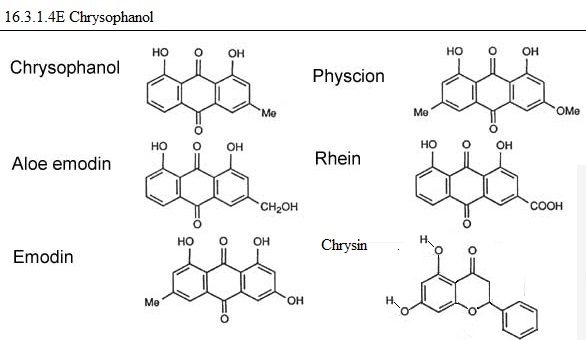
Chrysophanol, C15H10O4
Chrysophanol, C15H10O4 source
Chrysophanol, Chrysophanic acid, (3-Methylchrysazin), Turkey rhubarb, trihydroxyanthraquinone, irritant, antiviral, anti-inflammatory
It appears as golden yellow plates or brown powder.
It is used as a natural dye, to control termites in teak wood.
It occurs in Rumex, Rheum, Aloe vera, teak wood, and in senna leaves Cassia senna.
Chrysin, C15H10O4
Chrysin, C15H10O4 source
Chrysin, a flavone, (5,7-Dihydroxyflavone), Chrysine, (7-hydroxyflavonol), flavone, anti-inflammatory, antineoplastic, antioxidant, hepatoprotective.
It occurs in carrot, in honeycomb, Oroxylum indicum, Passiflora caerulea, Matricaria chamomilla, and Oroxylum indicum.
Chrysin dimethyl ether, (5,7-Dimethoxyflavone), Dimethylchrysin, C17H14O4, dimethoxyflavone, is a 5,7-dimethyl ether derivative of chrysin. source
It occurs in (Leptospermum scoparium).
Chrysoeriol, C16H12O6
Chrysoeriol, C16H12O6 source
Chryseriol, (3'-Methoxyapigenin), (Luteolin 3'-mether), (3'-methoxyflavone), trihydroxyflavone, a widespread flavone, antineoplastic, antioxidant,
It occurs in alfalfa, (Medicago sativa).
3.71.5, Chalk, School chalk, blackboard chalk, safety
3.71.5, Chalk, School chalk, blackboard chalk, safety
The chemicals in blackboard chalk, mainly gypsum, CaSO4.2H2O, are harmless if ingested. source
However, chalk dust may cause respiratory problems in children with asthma, and in teachers after exposure for many years.
"Dustless chalk" is chemically the same, but the chalk dust it produces consists of much heavier particles that drop down instead of being suspended in the air.
Chalk dust should be regularly cleaned out of the classroom .
Chalk dust may damage electronic equipment, e.g. computer motherboard and playback heads of VCRs.
Yellow chalk on a green "blackboard" may be more visible to most students, but may cause problems for colour-blind students.
3.71.6, Solubility of school chalk, blackboard chalk, in water
3.71.6, Solubility of school chalk, blackboard chalk, in water
Shake powdered blackboard chalk (school chalk), mainly gypsum, CaSO4.2H2O, with water in a test-tube. source
Filter the mixture and collect the filtrate in an evaporating basin.
Evaporate the water by heating the evaporating basin over a beaker of boiling water.
Examine the inside surface of the basin.
If any residue is found, then some chalk is soluble in water.
3.71.7, School chalk, blackboard chalk with weak acids
3.71.7, School chalk, blackboard chalk with weak acids
Experiment
Blackboard chalk is mainly gypsum.
Put three sticks of blackboard chalk in beakers partly filled with water, lemon juice, vinegar, so that about half of each stick is still dry.
Observe the chalk sticks over the next days.
The chalk sticks dissolve in the weak acids.
Calactin, C29H40O9
Calactin, C29H40O9 source
Calactin, Pecilocerin B, a cardenolide glycoside, cardiac glycoside, very toxic to vertebrates, in Calotropus procera latex, in Asclepias curassavica
Chebulinic acid, C41H32O27
Chebulinic acid, C41H32O27 source
Chebulinic acid, a gallotannin, may inhibit lipolysis, in Phyllanthus emblica fruit, in Terminalia tebula
This page was generated automatically from the original page on John Elfick's School Science Lessons website. If something looks wrong, please check the original.