Alkaloids, Acanthicifoline to Hypaconitine
Last updated 2026-01-24 by Dr John Elfick
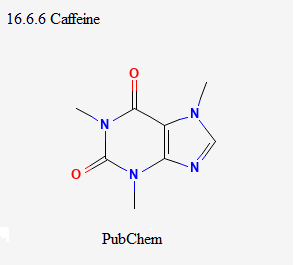
9.2.0 Caffeine
9.2.1 Caffeine
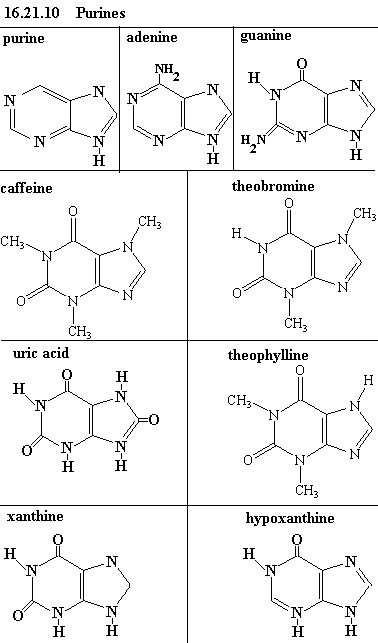
Caffeine, (C8H10N4O2), guaranine, (1,3,7-Trimethylxanthine), (3-Methyltheobromine), purine derivative alkaloid, methylxanthine alkaloid, methylated purine source
It is an odourless white powder or white glistening needles, usually melted together, bitter taste, solutions neutral to litmus.
It is a xanthosine, weak stimulant, diuretic, CNS stimulant, causes wakefulness and increased mental activity, diuretic, cardiac and respiratory stimulant.
It may block absorption of calcium, (fatal dose is about 10 mg, but not from tea, coffee, or other beverages), included in proprietary analgesics.
Caffeine is used to treat apnea and bronchopulmonary dysplasia in premature infants.
It occurs in Camellia, Coffee, Cola, Ilex, Paullinias, and in Yerba Mate (Ilex paraguariensis).
Coffee, coffee tins, Use, (Experiments)
9.2.2 Approximate caffeine content of beverages, mg /cup
Brewed coffee 40-180 mg/cup, depends on length of time brewed.
Percolated coffee cup 150 mL, Caffeine content 100 mg
Drip coffee cup 150 mL, Caffeine content 80 to 200 mg
Instant coffee cup 150 mL, Caffeine content 60 to 70 mg (30 to 120 mg)
Energy drink with caffeine, e.g. Red Bull, Caffeine content 80 mg / can
Cocoa cup 150 mL, Caffeine content 4-5 mg
Dark chocolate bar 100 g Caffeine content 20-25 mg
Milk chocolate bar, Caffeine content 3-6 mg
Kola, Cola drink-can 375 mL, Caffeine content 35 to 55 mg
Tea cup 150 mL, Caffeine content 50 mg (20-90 mg depends on length of time brewed)
Decaffeinated tea cup 150 mL, Caffeine content 2 mg
Coffee beans (green), Caffeine content 0.8 to 1.8% mg
Tea leaves (undried), Caffeine content 0.8 to 2.1% mg
In some countries, the legal limit for caffeine content is 55 mg / 375 mL (cola drink-can).
The fatal dose of caffeine is about 10 mg.
Caffeine is in analgesic preparations containing Ergotamine for the relief of migraine headaches.
Caffeine is found in coffee Coffea arabica, tea Camellia sinensis, yerba mate Ilex paraguariensis, guarana Paullinia cupana Cola Cola nitida
Theobromine is found in chocolate Theobroba cacao.
9.2.3 Caffeine, extraction with supercritical carbon dioxide, critical point
Materials can exist in three states: solid, liquid and gas.
You can change from one to another by altering temperature and / or pressure.
If you increase temperature and pressure enough, the distinction between liquid and gas will disappear at the critical point.
No phase boundary between liquid and gas exists, because at extremely high temperatures and pressures, the liquid and gaseous phases become indistinguishable.
The critical point of water is 374 o C, 218 atmospheres of pressure.
At above 31.1 o C and 72.9 atmospheres of pressure carbon dioxide behaves like liquid and like a gas.
It spreads out like a gas to fill the available space and can dissolve substances as if it was a liquid.
The low temperature is convenient, because it can be used with substances that would be damaged by the high temperature.
Supercritical carbon dioxide is used to remove caffeine from tea and coffee, an extract substances from hops, essential oils, and environmental pollutants.
It is also used for dry cleaning.
Supercritical carbon dioxide is used to extract caffeine from coffee beans, extract nicotine from tobacco, extract oil from oilseeds, e.g. soy bean and sunflower, extract the natural insecticide pyrethrins from the perennial plant pyrethrum, (Chrysanthemum cinerariaefolium).
9.2.4 Extraction of caffeine and benzoic acid from soft drinks
Extraction of caffeine and benzoic acid from soft drinks, e.g. cola and lemonade
9.2.5 Isolation of caffeine in cola (kola), soft drink
Add 2 g of sodium carbonate to 50 mL of a cola (kola) drink in a 1 litre conical flask.
Add 50 mL of dichloromethane (methylene chloride) and swirl gently for 5 minutes.
Do not shake.
Transfer into a separating funnel and leave to settle for 10 minutes.
Drain the lower methylene chloride layer into a 250 mL conical flask.
Add 50 mL more dichloromethane to the separating funnel and enclose with a stopper.
Carefully invert the separating funnel 3 times to allow any remaining caffeine to be extracted into the dichloromethane layer.
Again drain the lower methylene chloride layer into the 250 mL conical flask.
Add 5 g of anhydrous magnesium sulfate to remove the water when it forms insoluble hydrated magnesium sulfate.
Filter the now clear dichloromethane through cotton wool pad into a 250 mL beaker.
Evaporate the dichloromethane on a water bath in a fume cupboard or distil it off to recover the solvent.
Weigh the remaining precipitate.
Test the precipitate by putting a small amount on a watch glass and mix with 3 drops of concentrated hydrochloric acid.
Be careful! Add small crystals of potassium chlorate.
Mix with a glass rod and evaporate to dryness on a water bath in a closed fume cupboard.
Leave the watch glass to cool then moisten the residue with 2 drops 2 M ammonia solution.
The residue turns purple.
16.6.17 Unclassified alkaloids
| Ficine
Candicine, (C11H18NO+), Unclassified Alkaloid
Candicine, (C11H18NO+), Unclassified Alkaloid source
C11H18NO+, HOC6H4(CH2)2N(CH3)3+, has N + in its molecular structure, so it is classed as an Alkaloid source
Candicine, Candicin, primary amine, 4-Hydroxy-N,N,N-trimethylbenzeneethanaminium, action like nicotine, hypertension
It occurs in root of Trichocereus, Fagara, Philodendron, Magnolia, and in Lysichitum.
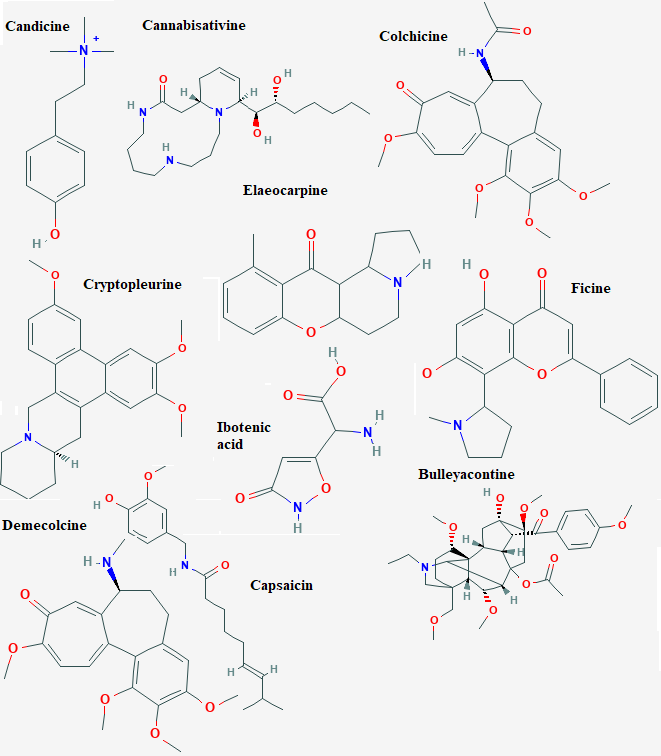
Cannabisativine, (C21H39N3O3), Unclassified Alkaloid
Cannabisativine, (C21H39N3O3), Unclassified Alkaloid source
Cannabisativine, (azamacrocycle, so has N in a ring of 12 or more atoms), lactam
It occurs in roots and leave of (Cannabis sativa).
Cryptopleurine, (C24H27NO3), Unclassified Alkaloid
Cryptopleurine, (C24H27NO3), Unclassified Alkaloid source
Cryptopleurine, organic heteropentacyclic compound, aromatic ether, alkaloid antibiotic, protein synthesis inhibitor, antineoplastic, antiviral against herpes
It occurs in Cryptocarya, Boehmeria, and in Cissus.
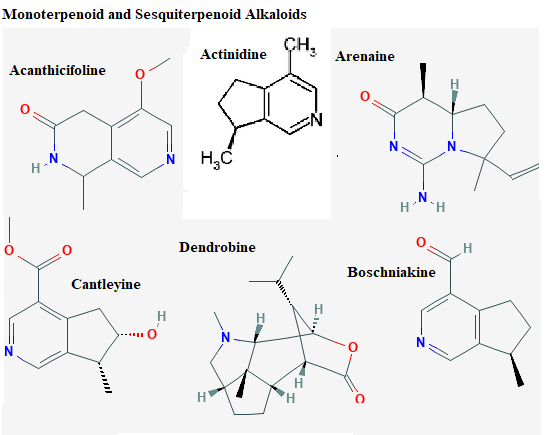
Acanthicifoline, (C10H12N2O2), Monoterpenoid and Sesquiterpenoid Alkaloid
Acanthicifoline, (C10H12N2O2), Monoterpenoid and Sesquiterpenoid Alkaloid source
Acanthicifoline is a derivative of 2,7-naphthyridine, C8H6N2, a naphthyridine. source
The traditional use in India and China is to treat dyspepsia, paralysis, asthma, headache, rheumatism.
It occurs in (Acanthus ilicifolius).
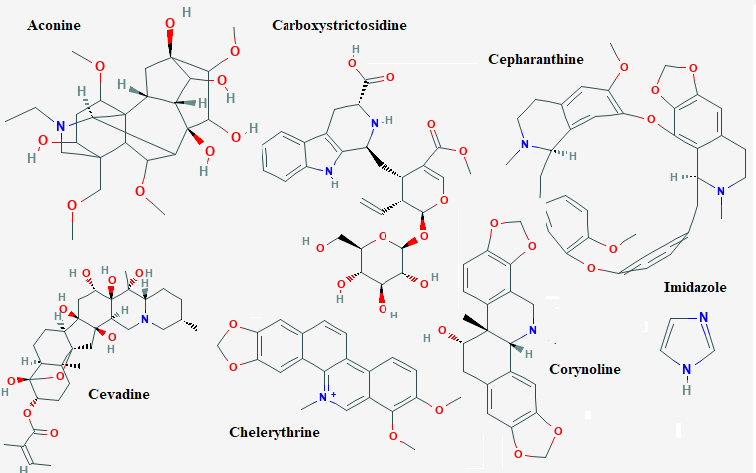
Aconine, (C25H41NO9)
Aconine, (C25H41NO9) source
Aconine, jesaconine, main constituent of aconitine, amorphous alkaloid with a polycyclic molecule, polyether, tertiary amino compound
It is used for research only, not for human or veterinary use.
It inhibits osteoclast differentiation and bone resorption, induces flaccid paralysis, and is toxic to rats and mice.
It occurs in Aconitum.
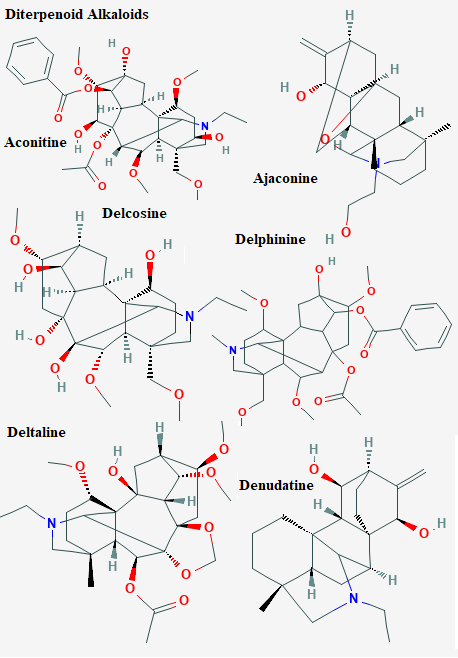
Aconitine, (C34H47NO11), Diterpenoid Alkaloid
Aconitine, (C34H47NO11), Diterpenoid Alkaloid source
Aconitine, Acetylbenzoylaconitine, too dangerous to use internally
It is very poisonous and can be absorbed by skin, slows heart and lowers blood pressure, acute toxic, neurotoxin, anti-inflammatory, antineuralgic
It blocks neurotransmitters release, blocks norepinephrine (noradrenaline) uptake, causes ventricular tachycardia
It occurs in Aconitum.
Acronidine, (C18H17NO4), Quinoline Alkaloid
Acronidine, (C18H17NO4), Quinoline Alkaloid source
Acronidine, organic heterotetracyclic compound, is an aromatic ether.
It occurs in Acronychia.
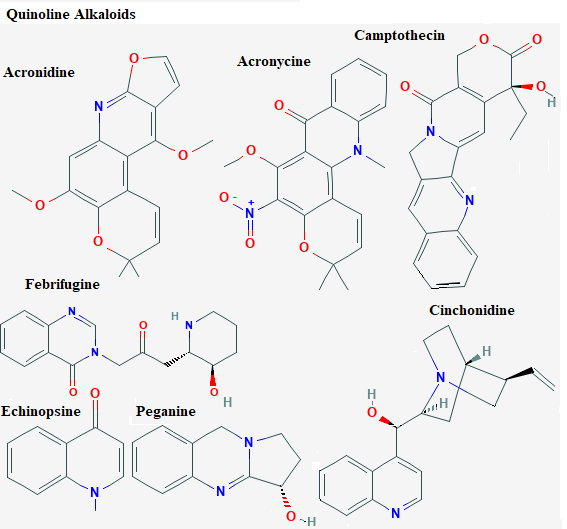
Acronycine, (C20H19NO3), Quinoline Alkaloid
Acronycine, (C20H19NO3), Quinoline Alkaloid source
Acronycine, Acronine, Acromycine, Pyriproxyfen, pyrano-acridone alkaloid, carcinogenic, is possibly antitumour agent, broad spectrum of activity.
It occurs in Acronychia.
Actinidine, (C10H13N), Monoterpenoid and Sesquiterpenoid Alkaloid
Actinidine, (C10H13N), Monoterpenoid and Sesquiterpenoid Alkaloid source
Actinidine, pyridine derivative, cyclopentapyridine, pyridine alkaloid, (derived from pyridine), pheromone, attracts cats, in Actinidiaceae, Actinidia polygama, in Valerian, and in Tecoma stans leaves.
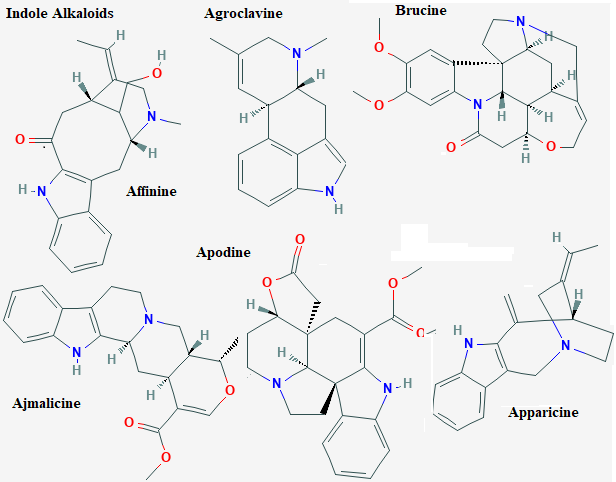
Affinine, (C21H24N2O2), Indole Alkaloid
Affinine, (C21H24N2O2), Indole Alkaloid source
Affinine, 17-Hydroxyvobasan-3-one, psychoactive.
It occurs in (Tabernaemontana catharinensis).
Affinisine, (C20H24N2O) source
Agroclavine, (C16H18N2), Indole Alkaloid
Agroclavine, (C16H18N2), Indole Alkaloid source
Agroclavine, tetracyclic indole alkaloid, ergot alkaloid, (based on ergoline), is used for ergot-based drug synthesis.
It occurs in fungus (Claviceps purpurea), (Rivea bernoulliana), and in (Jacquemontia tamnifolia).
Ergoline, C14H16N2, structurally-related alkaloids which bind to neurotransmitter receptors, e.g. dopamine, noradrenaline and serotonin receptors source
Ajaconine, (C22H33NO3), Diterpenoid Alkaloid
Ajaconine, (C22H33NO3), Diterpenoid Alkaloid source
Ajaconine, organic heterohexacyclic compound, tertiary amino compound, cyclic ether, olefin compound, poisonous, is insecticidal.
It occurs in Delphinium.
Ajmalicine, (C21H24N2O2), Indole Alkaloid
Ajmalicine, (C21H24N2O2), Indole Alkaloid source
Ajmalicine, Raubasine, a methyl ester indole derivative alkaloid, corynanthe type alkaloid, pentacyclic indole alkaloid, anti-hypertensive and sedative.
It is used to treat circulatory disorders, antimicrobial activity, used to study effects as antagonist of adrenergic and nicotinic receptors.
It occurs in (Rauwolfia sepentina), and in (Catharanthus roseus).
Allocryptopine, (C21H23NO5), dibenzazecine Alkaloid
Allocryptopine, (C21H23NO5), dibenzazecine Alkaloid source
Allocryptopine, a cyclic ketone, cyclic acetal, aromatic ether
It occurs in (Glaucium arabicum), (Zanthoxylum beecheyanum), (Berberis integerrima) and in the Papaveraceae family.
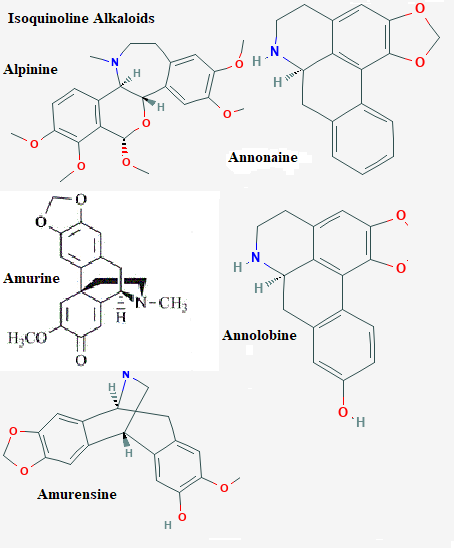
Alpinine, (C23H29NO6), Isoquinoline Alkaloid
Alpinine, (C23H29NO6), Isoquinoline Alkaloid source
Alpinine, rhoeadine alkaloid, methylalpinigenine
It occurs in Papaver.
Amaranthin, (C30H34N2O19), Betalain Alkaloid
Amaranthin, (C30H34N2O19), Betalain Alkaloid source
Amaranthin, Amaranthin betacyanin, Amarantin, Betanidin 5-O-sophorobiuronic acid, disaccharide derivative of betanidin, biological pigment
It occurs in (Atriplex hortensis), Amaranthus, (Celosia cristata), and in (Chenopodium album).
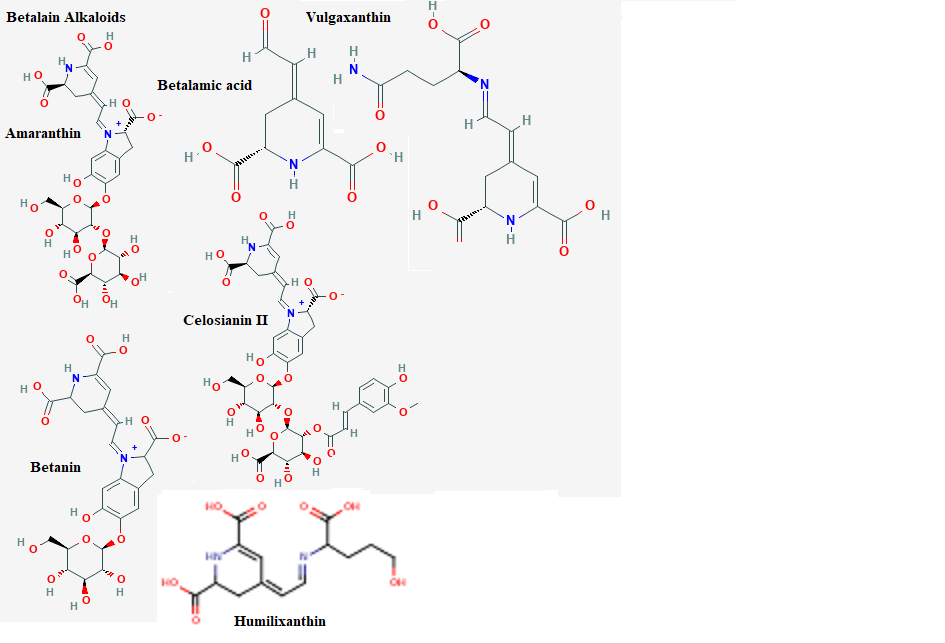
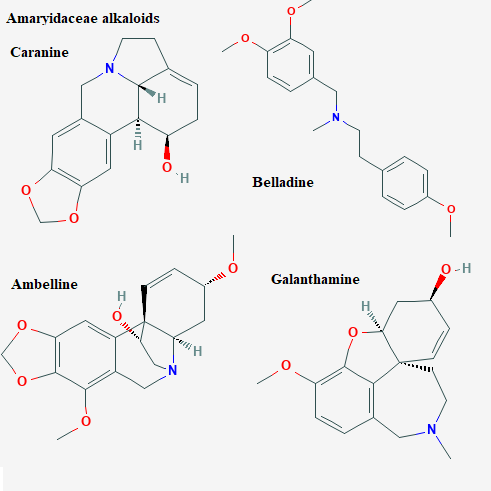
Ambelline, (C18H21NO5), Amaryllidaceae Alkaloid
Ambelline, (C18H21NO5), Amaryllidaceae Alkaloid source
Ambelline, isoquinoline derivative, amaryllis alkaloid, analgesic but too toxic
It occurs in Amaryllis, (Crinum × powellii), and in Hippeastrum.
Amurensine, (C19H19NO4), Isoquinoline Alkaloid
Amurensine, (C19H19NO4), Isoquinoline Alkaloid source
Amurensine, pavine alkaloid, xanthopetaline, is used for pain relief, expectorant, tranquilliser.
It occurs in Papaver.
Amurine, (C19H19NO4), Isoquinoline Alkaloid
Amurine, (C19H19NO4), Isoquinoline Alkaloid source
Amurine, a morphinan alkaloid
It occurs in Papaver.
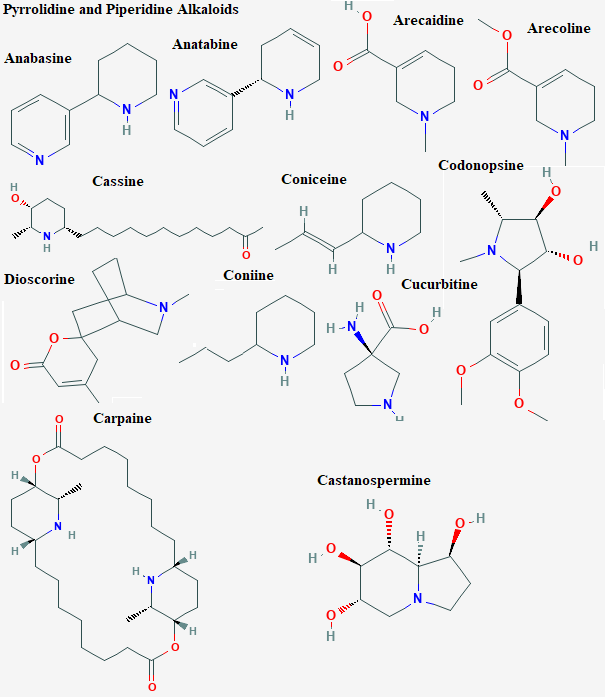
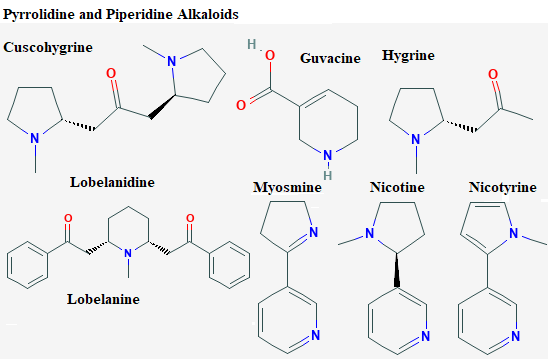
Anabasine, (C10H14N2), Pyrrolidine and Piperidine Alkaloid
Anabasine, (C10H14N2), Pyrrolidine and Piperidine Alkaloid source
Anabasine, Neonicotine, pyridine derivative, teratogenic agent, nicotine analog so is chemically similar to nicotine.
It is a skeletal muscle relaxant, and was formerly used as industrial piperidine botanical insecticide.
It occurs in tobacco smoke and is used as test of smoking.
It occurs in (Nicotiana acuminata), and in (Anabasis phylla).
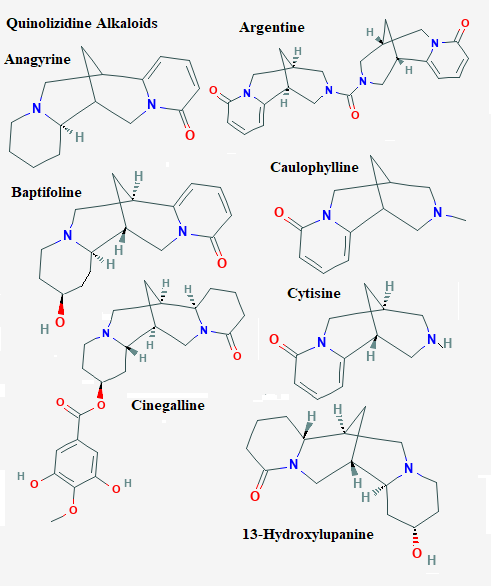
Anagyrine, (C15H20N2O), Quinolzidine Alkaloid
Anagyrine, (C15H20N2O), Quinolzidine Alkaloid source
Anagyrine, Monolupine, Rhombinine, Anagyrine, highly toxic, teratogenic, causes "crooked calf's disease, cardiotonic.
It occurs in (Anagyris foetida), (Ulex europaeus), Thermopsis, (Cystisus scoparius), Genista, Lupinus, Sophora, Ammodendron, (Ormosia cocconia), and in (Viscum cruciatum).
Anatabine, (C12H10N2), Pyrrolidine and Piperidine Alkaloid
Anatabine, (C12H10N2), Pyrrolidine and Piperidine Alkaloid source
Anatabine, (polycyclic noncondensing pyridine derivative), bipyridine, Nicotine-related tobacco alkaloid, in urine, inhibitor of human cytochrome.
It occurs in Nicotiana.
Anisodamine, (C17H23NO4), Tropane Alkaloid
Anisodamine, (C17H23NO4), Tropane Alkaloid source
Anisodamine, 6-Hydroxyhyoscamine, a monocarboxylic acid, anticholinergic
It is Chinese medicine, used to treat circulatory shock, possible treatment of intestinal diseases.
It occurs in (Duboisia myoporoides), (Hyoscyamus albus), and in (Anisodus tanguticus).
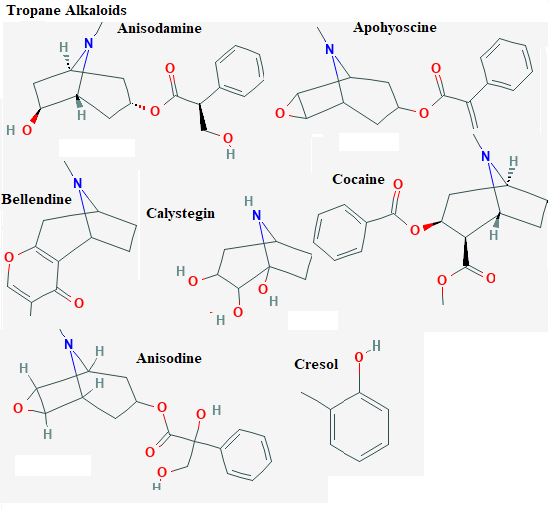
Anisodine, (C17H21NO5), Tropane Alkaloid
Anisodine, (C17H21NO5), Tropane Alkaloid source
Anisodine, Daturamine, alpha-Hydoxyscolopamine, antispasmodic, anticholinergic, is used to treat circulatory shock.
It occurs in (Anisodus tanguticus).
Annolobine, (C17H15NO3), Isoquinoline Alkaloid
Annolobine, (C17H15NO3), Isoquinoline Alkaloid source
Annolobine, Anolobine, Anolobin, aporphine alkaloid, an alkaloid antibiotic
It occurs in (Asimina triloba), and in (Goniothalamus amuyon).
Annonaine, (C17H15NO2), Isoquinoline Alkaloid
Annonaine, (C17H15NO2), Isoquinoline Alkaloid source
Annonaine, Anonaine, Anonain, aporphine alkaloid, oxacycle, organic heteropentacyclic compound, insecticidal, antimicrobial, anticancer, antiplasmodial
It occurs in Annona, (Nelumbo nucifera), and in (Xylopia aethiopica).
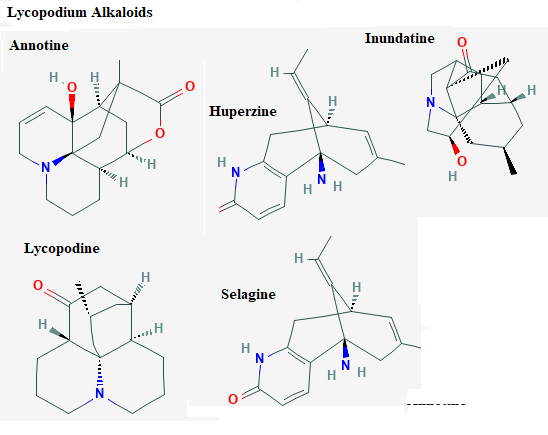
Annotine, (C16H21NO3)
Annotine, (C16H21NO3) source
Annotine, an azaspiro compound, is used to treat skin disorders.
It occurs in Icelandic club moss (Lycopodium annotinum), Chinese herbal medicine.
Apodine, (C21H22N2O4), Indole Alkaloid
Apodine, (C21H22N2O4), Indole Alkaloid source
Apodine, hexacyclic indole alkaloid, methyl ester
It occurs in Tabernaemontana.
Apohyoscine, (C17H19NO3), Tropane Alkaloid
Apohyoscine, (C17H19NO3), Tropane Alkaloid source
Apohyoscine, Aposcopolamine, Aposcopolamin, epoxyatropyloxytropane, monocarboxylic acid
It occurs in Hyoscyamus, Datura, and in (Duboisia hopwoodii).
Apparicine, (C18H20N2), Indole Alkaloid
Apparicine, (C18H20N2), Indole Alkaloid source
Apparicine, Gomezine, Pericalline, Tabernoschizine, monoterpenoid indole alkaloid, antimicrobial, stimulates central nervous system, analgesic.
It occurs in (Aspidosperma quebracho-blanco), Tabernaemontana, and in (Ochrosia illiptica).
Arecaidine, (C7H11NO2), Pyrrolidine and Piperidine Alkaloid
Arecaidine, (C7H11NO2), Pyrrolidine and Piperidine Alkaloid source
Arecaidine, methylguvacine, N-methylguvacine, mildly toxic, astringent, causes sweating, folk medicine
It occurs in (Areca catechu).
Arecoline, (C8H13NO2), Pyrrolidine and Piperidine Alkaloid
Arecoline, (C8H13NO2), Pyrrolidine and Piperidine Alkaloid source
Arecoline, Arecaline, Arecholine, Methylarecaiden
It stimulates muscarinic and nicotinic receptors, toxic may cause convulsions and paralysis.
The seeds used medically for parasympathetic stimulant action, used as euphoriant, used in various salts to stimulate the parasympathetic nervous system.
Also, it is used as a veterinary vermifuge.
It occurs in (Areca catechu).
Arenaine, (C11H17N3O), Monoterpenoid and Sesquiterpenoid Alkaloid
Arenaine, (C11H17N3O), Monoterpenoid and Sesquiterpenoid Alkaloid source
Arenaine, aliphatic heteropolycyclic compound, a pyrimidine
It occurs in seeds of the sand plantain (Plantago arenaria).
Argentine, (C23H26N4O3), Quinolzidine Alkaloid
Argentine, (C23H26N4O3), Quinolzidine Alkaloid source
Argentine, Carbonylbiscytisine
It occurs in Sophora, Thermopsis, and in (Dermatophyllum secundiflorum).
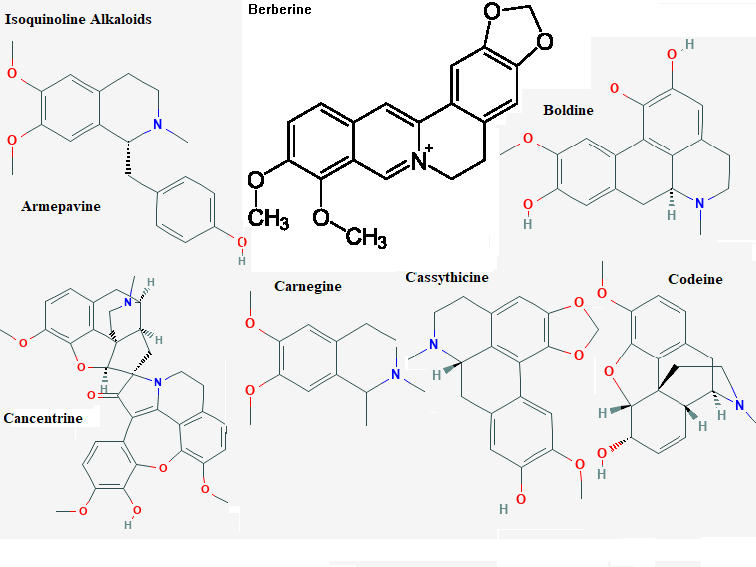
Armepavine, (C190H23NO3), Isoquinoline Alkaloid
Armepavine, (C190H23NO3), Isoquinoline Alkaloid source
Armepavine, benzylisoquinoline alkaloid, convulsions, irritation, irregular cardiac action
It occurs in Papaver, (Euonymus europaeus), Rhamnus, Nelumbo, and in (Berberis integerrima).
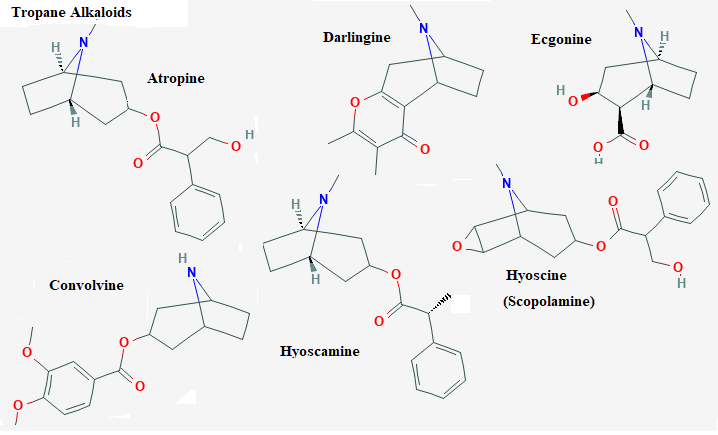
Atropine, (C17H23NO3), Tropane Alkaloid
Atropine, (C17H23NO3), Tropane Alkaloid source
Atropine, dl-Hyoscyamine, Tropine tropate, poisonous, highly toxic, lethal dose for humans 100 mg
It blocks the action of the neurotransmitter acetylcholine C7H16NO2+, the major transmitter at neuromuscular junctions. source
Like curare on poison-tipped arrows, causing blurred vision, suppressed salivation, vasodilation, delirium.
It is generally not used as an administered drug because it is broken down very rapidly by cholinesterases, but it is useful in some ophthalmological applications.
Atropine sulfate is used in anticholinergic medicines, to treat cardiac arrest, dilate pupils for eye examination, relax muscles, inhibit secretions.
Atropine occurs in (Atropa belladonna), Datura, (Cyphanthera tasmanica), and (Anthocercis ilicifolia).
Baptifoline, (C15H20N2O2), Quinolzidine Alkaloid
Baptifoline, (C15H20N2O2), Quinolzidine Alkaloid source
Baptifoline, Hydroxyanagyrene, Argentamin, occurs in coffee and coffee products.
It occurs in (Baptisia tinctoria), Sophora, (Caulophyllum thalictroides), (Thermopsis chinensis), and in (Thermopsis lanceolata).
Belladine, (C19H25NO3), Amaryllidaceae Alkaloid
Belladine, (C19H25NO3), Amaryllidaceae Alkaloid source
Belladine, N-Benzylphenethylamine, acetylcholinesterase and cholinesterase inhibitor
It occurs in (Amaryllis belladonna), (Crinum powelli), and in Nerium.
Bellendine, (C12H15NO2), Tropane Alkaloid
Bellendine, (C12H15NO2), Tropane Alkaloid source
Bellendine, (10-methylpyranotropane), oxacycle
It occurs in (Bellendena montana), and in (Darlingia darlingiana).
Berberine, (C20H18NO4), Isoquinoline Alkaloid
Berberine, (C20H18NO4), Isoquinoline Alkaloid source
Berberine, Berberin, Umbellatine, isoquinoline derivative, protoberberine alkaloid, bitter, yellow, used to treat bacillary dysentery.
It occurs in barberry Berberis, (Coptis chinensis), (Evodia rutaecarpa), Mahonia, Nandina, and in Thalictrum.
It occurs in Goldenseal (Hydrastis canadensis), and in Oregon grape (Berberis aquifolium).
Berberine chloride, (C20H18ClNO4), occurs in Chinese herbs, and is antifungal, antiviral, and anticancer. source
Berberine hemisulfate, (C20H18NO4.1/2SO4), anti-inflammatory, fluoresces under UV light, and occurs in Hydrastis. source
Berberine chloride hydrate, (C20H18NO4.H2O), Natural Yellow 18 hydrate, is used to treat intestinal infections. source
Betalamic acid, (C9H9NO5), Betalain Alkaloid source
Betalamic acid, dicarboxylic acid, betalain
It occurs in beetroot (Beta vulgaris), (Celosia cristata), Cistanthe, and in Portulaca.
Betanidin, (C18H16N2O8), Betalain Alkaloid
Betanidin, (C18H16N2O8), Betalain Alkaloid source
Betanidin, (2,6-Pyridinedicarboxylic acid), non-proteinogenic alpha-amino acid
Betanidin, purple pigment, (aglycone of betanin)
It occurs in Mesembryanthemum, Portulaca, and in (Ullucus tuberosus).
Betanin, (C24H26N2O13), Betalain Alkaloid
Betanin, (C24H26N2O13), Betalain Alkaloid source
Betanin, betanine, betacyanin, betanidin 5-O-beta-glucoside, a red-violet betacyanin, purple pigment, a cyanogenic glycoside
Purple pigment, E162 Beetroot Red, from beet, food additive, colorant used in cosmetics and pharmaceuticals.
Betanin, Red beef extract diluted with dextrin, Food dye, cosmetic and pharmaceutical colorant
Betanin may not broken down in the body so can cause temporary red urine (beeturia and red faeces).
The appearance of red urine may cause distress, but the patient is not suffering haematuria, (blood in the urine).
Betalains: indole-derived glycoside pigments, contain nitrogen.
Betanin aglycone is betanidin, (C18H16N2O8) source
Betanin occurs in (Beta vulgaris), Carpobrotus, Drosera, Mesembryanthemum, Opuntia, and in Portulaca.
Betonicine, (C7H13NO13), Pyrrolidine and Piperidine Alkaloid
Betonicine, (C7H13NO13), Pyrrolidine and Piperidine Alkaloid source
Betonicine, Achillein, amino-acid betaine, secondary alcohol,br> It is a zwitterion, an acid that loses a proton from its -NH3+ group to form an anion, both hydrogens attached to the nitrogen replaced by methyl groups. source
It occurs in herbs and spices, and in Yarrow (Achillea millefolium).
Bocconine, (C21H161NO5) + Isoquinoline Alkaloid
Bocconine, (C21H161NO5) + Isoquinoline Alkaloid source
Bocconine, benzophenanthridene alkaloid, chelirubine, local anaesthetic, kills nematode worms.
It occurs in Bocconia, and in Papaver.
Boldine, (C19H21NO4), Isoquinoline Alkaloid
Boldine, (C19H21NO4), Isoquinoline Alkaloid source
Boldine, uniboldina, boldin, an aporphine alkaloid, antioxidant, hepatoprotective, cytoprotective, antipyretic, anti-inflammatory
It is used in laxatives, to increase bile secretion and treat gallstones It occurs in Peumus, root of (Lindera umbellata), (Boldea fragrans), Peumus, Monimia, Litsea, Sassafras, Desmos, Liriodendron, Retanilla, and in (Damburneya salicifolia).
Boschniakine, (C10H11NO), Monoterpenoid and Sesquiterpenoid Alkaloid
Boschniakine, (C10H11NO), Monoterpenoid and Sesquiterpenoid Alkaloid source
Boschniakine, indicaine
It occurs in (Boschniakia rossica), Tecoma, Plantago, and in Pedicularis.
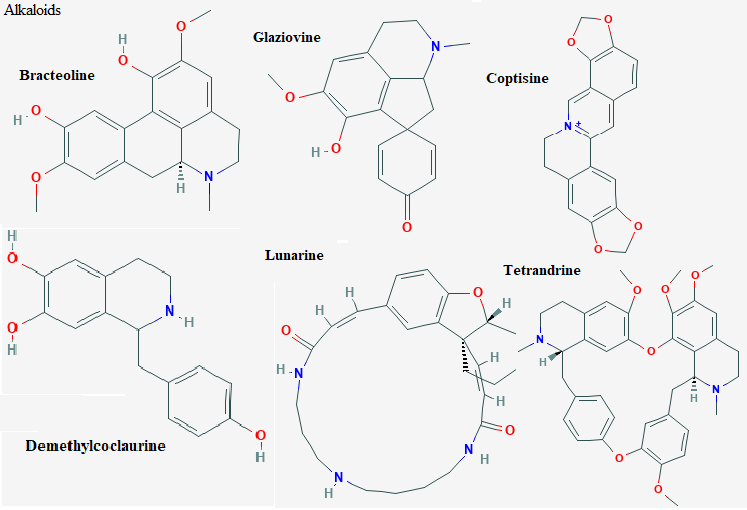
Bracteoline, (C19H21NO4), Isoquinoline Alkaloid
Bracteoline, (C19H21NO4), Isoquinoline Alkaloid source
Bracteoline, aporphine alkaloid
It occurs in Papaver and in (Licaria armeniaca).
Brucine, (C23H16N2O4), Indole Alkaloid
Brucine, (C23H16N2O4), Indole Alkaloid source
Brucine, Brucinum, monoterpenoid indole alkaloid, acute toxic, white crystalline solid, is combustible but hard to ignite.
It has a toxic vapour or dust by inhalation and ingestion.
It occurs in (Strychnos axillaris), and in (Strychnos ignatii).
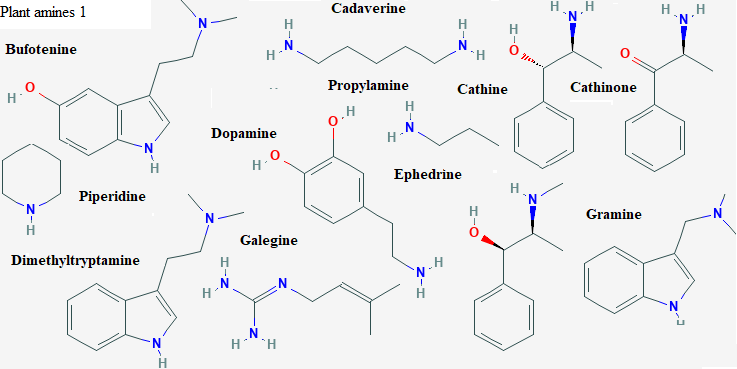
Bufotenine, (C12H16N2O), Tryptamine alkaloid and tertiary amine source
Indole derivative alkaloid, Non-isoprene indole alkaloid, dimethyl serotonin, in skin of toads, in psychedelic compounds, illegal in USA
It occurs in Arundo reed, (Anadenanthera colubrina), and in Piptadenia.
Bulleyaconitine A, (C35H43NO9), Alkaloid
Bulleyaconitine A, (C35H43NO9), Alkaloid source
Bulleyaconitine, Bulleyanum, analgesic, anti-inflammatory, formerly used for the treatment of chronic pain and rheumatoid arthritis
It occurs in Aconitum.
Calafatimine, (C38H40N2O7)
Calafatimine, (C38H40N2O7) source
Calafatimine, an isoquinoline, a bisbenzylisoquinoline alkaloid, Chinese medicine, weakly antineoplastic
It occurs in (Berberis vulgaris).
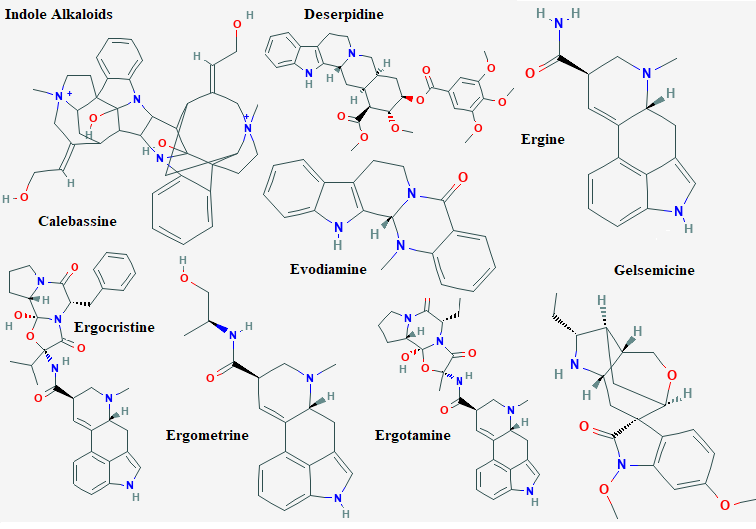
Calebassine, (C40H48N4O4 +2 ), Indole Alkaloid
Calebassine, (C40H48N4O4 +2 ), Indole Alkaloid source
Calebassine, toxiferine IV, C-Alkaloid A, highly toxic, neuromuscular blocker, arrow poison
It was called "calabash curare", because it was formerly packed into hollow gourds.
It occurs in Strychnos.
Calystegin, Tropane Alkaloid
Calystegin, Tropane Alkaloid
Calystegin A3, (8-Azabicyclo[3.2.1]octane-1,2,3-triol), Trihydroxynorpropane, (C7H13NO3), inhibits glucosidases, livestock nerve disorder if eating bindweed source
It occurs in alcoholic beverages.
It occurs in Calystegia, Convolvulus, and in Solanum.
Camptothecin, (C20H16N2O4), Quinoline Alkaloid
Camptothecin, (C20H16N2O4), Quinoline Alkaloid source
Camptothecin, Camptothecine, pyranoindolizinoquinoline, tertiary alcohol, delta-lactone, antitumour activity, inhibits nuclear enzyme topoisomerase
It is used for research into apoptosis - a form of programmed cell death in multicellular organisms.
It occurs in (Camptotheca acuminata).
Cancentrine, (C36H33N2O7), Isoquinoline Alkaloid
Cancentrine, (C36H33N2O7), Isoquinoline Alkaloid source
Cancentrine, morphinan alkaloid, ibenzooxazepine alkaloid, bisbenzylisoquinoline alkaloid, bright yellow
It occurs in (Dicentra canadensis).
Candimine, (C18H19NO6), Amaryllidaceae Alkaloid
Candimine, (C18H19NO6), Amaryllidaceae Alkaloid source
Candimine, Maltotoxin, toxic
It occurs in (Hippeastrum morelianum).
Cantleyine, (C11H13NO3), Monoterpenoid and Sesquiterpenoid Alkaloid
Cantleyine, (C11H13NO3), Monoterpenoid and Sesquiterpenoid Alkaloid source
Cantleyine, aromatic carboxylic acid, a pyridine
It occurs in tree bark of (Cantleya corniculata), Dipsacus, and in (Strychnos nux-vomica).
Capsaicin, (C18H27NO3)
Capsaicin, (C18H27NO3) source
Capsaicin is a Protoalkaloid
It occurs in chilli peppers, Capsicum.
Caranine, (C16H17NO3), Amaryllidaceae Alkaloid
Caranine, (C16H17NO3), Amaryllidaceae Alkaloid source
Caranine, (2-Deoxylycorine), indolizidine alkaloid, organic heteropentacyclic compound, secondary alcohol, toxic to animals
It occurs in (Amaryllis belladonna), (Clivia miniata), and in (Crinum bulbispermum).
Carboxystrictosidine, (C28H34N2O4), Gluco Indole Alkaloid
Carboxystrictosidine, (C28H34N2O4), Gluco Indole Alkaloid source
5-Carboxystrictosidine, (5α-Carboxy-3-isovincoside), anti-inflammatory
It occurs in (Uncaria tomentosa), and in (Sinoadina racemosa).
Carnegine, (C13H19NO2), Isoquinoline Alkaloid
Carnegine, (C13H19NO2), Isoquinoline Alkaloid source
Carnegine, carnegin, Pectenin, simple isoquinoline
It occurs in Carnegiea, Cereus, and in Haloxylon.
Carpaine, (C27H50N2O4), Pyrrolidine and Piperidine Alkaloid
Carpaine, (C27H50N2O4), Pyrrolidine and Piperidine Alkaloid source
Carpaine, macrocyclic lactone, cardiovascular drug, affects myocardium, decreases blood pressure, amoebicide
It occurs in Papaya (Carica papaya), Vasconcellea, and in many seeds.
Cassine, (C18H35NO2), Pyrrolidine and Piperidine Alkaloid
Cassine, (C18H35NO2), Pyrrolidine and Piperidine Alkaloid source
Cassine is a citraconoyl group, C5H4O2. source
It occurs in Cassia, Prosopis, (Senna spectabili)s, and in (Elaeodendron matabelicum).
Cassythicine, (C19H19NO4), Isoquinoline Alkaloid
Cassythicine, (C19H19NO4), Isoquinoline Alkaloid source
Cassythicine, aporphine alkaloid, methylacinodaphnine, antimicrobial, cytotoxic
It occurs in (Cassytha filiformis), (Annona glabra), and in (Neolitsea sericea).
Castanospermine, (C8H15NO4), Pyrrolidine and Piperidine Alkaloid
Castanospermine, (C8H15NO4), Pyrrolidine and Piperidine Alkaloid source
Castanospermine, tetrahydroxyindolizidine alkaloid, inhibits glucosidases, causes severe gastrointestinal irritation and perhaps death to animals.
It may be useful in HIV/AIDS prevention research.
Castanospermine derivative "celgosivir" possible antiviral drug to treat hepatitis C virus
It occurs in (Castanospermum australe), (Alexa grandiflor), and in (Alexa wachenheimii).
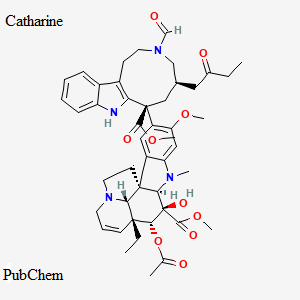
Catharine, (C46H54N4O10), alkaloid, a natural product source
It occurs in (Catharanthus lanceus) and (Catharanthus roseus).
Caulophylline, (C12H16N2O), Quinolzidine Alkaloid source
Caulophylline, Methylcytisine, (12-Methylcytisine), toxic, repels snails
It occurs in (Caulophyllum thalictroides), (Cytisus laburnum), (Spartium junceum), (Thermopsis lanceolata), and in (Sophora chrysophyll).
Celosianin, (C40H42N2O2), Betalain Alkaloid source
Celosianin, Betacyanin, Celosianin II, monoferulylamaranthin, glycoside, (derives from betanidin), purple pigment
It occurs in (Chenopodium rubrum).
Cephaeline, (C28H33N2O4), alkaloid in (Cephaelis ipecacuanha), Isoquinoline Alkaloid, formerly used in commercial medicine "syrup of ipecac". and is used to treat poisoning. source
Cepharanthine, (C37H38N2O6), Isoquinoline Alkaloid source
Cepharanthine, Cepharanthin, O-Methylcepharanoline, alkaloid, (CEP)
Japanese medicine, antitumour, anti-allergic, anti-inflammatory, immunimo-modulatory and antineoplastic alkaloid
It inhibits efflux transporter multidrug-resistant protein in cancer cells by preventing the intracellular accumulation of certain antitumour drugs.
It inhibits the entry of HIV-1 by reducing plasma membrane fluidity.
It stimulates recovery of immunologic function in lymphatic system after administration of antineoplastic agents or x-irradiation.
It occurs in (Stephania cepharantha), and in (Stephania sinica).
Cevadine, (C32H49NO9), mixture of alkaloids source
Cevadine, Veratrine, poisonous, irritates skin and mucous membranes, highly toxic to insects, less toxic to mammals
It occurs in (Schoenocaulon officinale) and in (Veratrum oblongum).
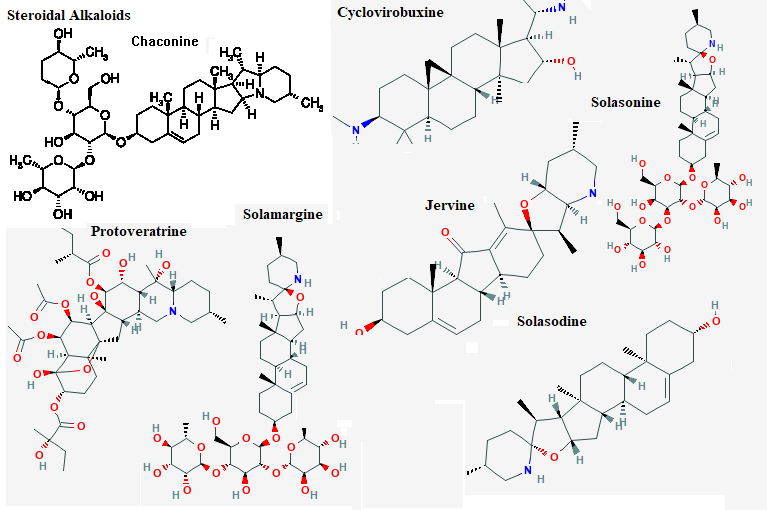
Chaconine, (C45H73NO14), Steroidal Alkaloid source
Chaconine, glycoalkaloid, poison, in green potato skins, in Potato, (Solanum tuberosum), Solanaceae, insecticidal, fungicidal, a-chaconine more toxic
Potato tubers in sunlight form glycoalkaloids when amyloblasts change to chloroplasts, but cooking does not destroy the glycoalkaloids.
Pregnant women should especially avoid eating damaged potatoes to avoid possible birth defects due to glycoalkaloids.
Toxicity is caused by anticholinesterase activity on the central nervous system and membrane disruption, which irritates the gastro-intestine of the digestive system.
Store potatoes in cool dark places where air circulates, but not in a refrigerator.
Do not purchase green, bruised, insect-damaged or cut potatoes, do not display potatoes under strong fluorescent lights.
Irradiate potatoes to delay sprouting and prevent greening, but not prevent the production of a-solanine.
Chelerythrine, (C21H18NO4) + Benzophenanthridine alkaloid source
Chelerythrine, Toddalin, Cheleritrine, Broussonpapyrine, benzophenanthridine alkaloid, organic cation, enzyme inhibitor, antibacterial, antineoplastic
It occurs in Zanthoxylum simulans root, and in Chelidonium majus, (greater celandine).
Chelerythrine chloride, (C21H18ClNO4), benzophenanthridine alkaloid, irritant, is a salt of an unstable naturally fluorescent material. source
It is anti-inflammatory, and anti-tumour.
It occurs in (Chelidonium majus).
Cinchonidine, (C19H22N2O), Cinchona Alkaloid source
Cinchonidine, Cinchovatine, (derived from a hydride of Cinchonan), diasteroisomer of cinchonine, antimalarial
It occurs in (Cinchona officinalis), and in (Cinchona calisaya).
Cinchonine, (C19H22N2O), Cinchona Alkaloid source
Cinchonine, irritant, occurs in the bark of most varieties of Cinchona shrubs
It occurs in (Cinchona calisaya), and in (Neolamarckia cadamba).
Cinegalline, (C23H30N2O6), Quinolzidine Alkaloid source
Cinegalline is a quinolizidine alkaloid
It occurs in Genista.
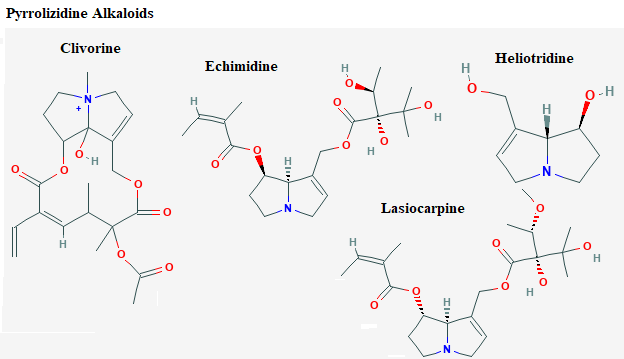
Clivorine, (C21H27NO7), Pyrrolizidine Alkaloid source
Clivorine, Senecionanium, heptacarcinogenic
It occurs in Anchusa, and in Ligularia.
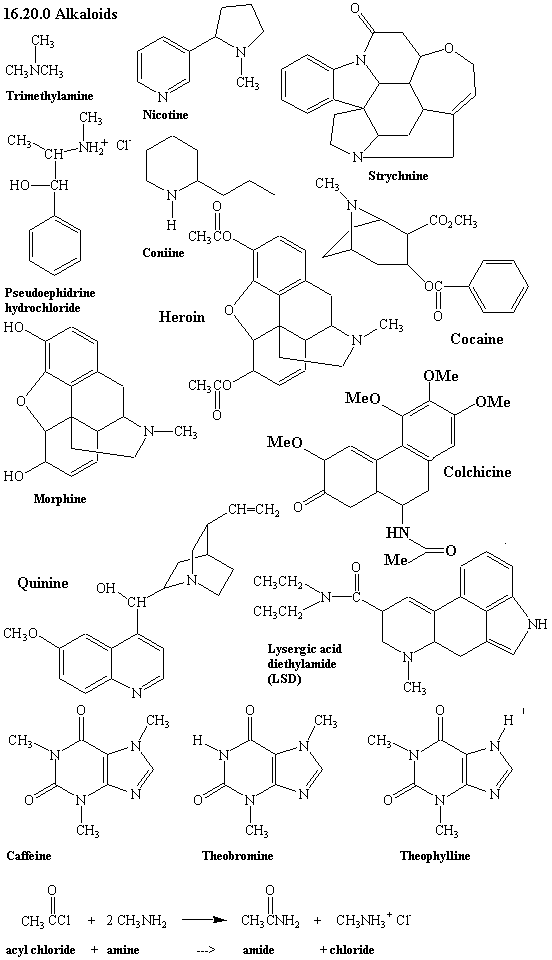
Cocaine
Cocaine, C17H21ON4, benzoylmethylecgonine, alkaloid ester, benzoic acid ester, local aneasthetic, vasoconstrictor, has powerful CNS effects like amphetamines. source
It is a drug of abuse, causes inhibition of dopamine uptake, high doses mood elevating effects and toxic reactions, in the cocoa plant (Erythroxylum coca).
Cobalt (II) thiocyanate, Co(SCN)2, Harmful, Environment danger, in Scott's reagent test for cocaine source
Copolymer, Polymer from linking different monomer types, e.g. cocaine, curare, caffeine, piperine
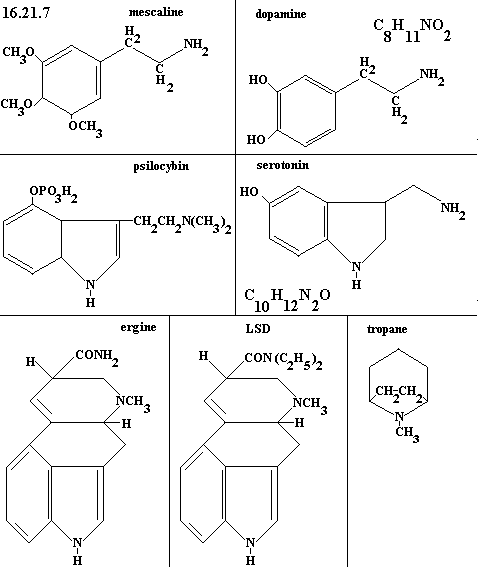
It occurs in Cocoa (Erythroxylon coca), Erythroxylaceae.
Codeine, (C18H21NO3), Isoquinoline Alkaloid source
Codeine, isoquinoline derivative, morphinan alkaloid, 3-methylmorphine
It is an opioid analgesic related to morphine, but with less potent analgesic properties and mild sedative effects.
It is used to treat moderate pain and cough, not linked to liver injury.
It occurs in Papaver.
Codeine, heroin, methadone, abuse
Codonopsine, (C14H21NO4), Pyrrolidine and Piperidine Alkaloid source
Codonopsine, may decrease blood pressure.
It occurs in (Codonopsis clematidea), and in (Averrhoa bilimbi).
Colchicine, (C22H25NO6), Unclassified Alkaloid source
Colchicine, an alkaloid with nitrogen in the side chain, (protoalkaloid), yellow, irritant, carcinogen, extremely toxic by all routes
It inhibits cell division, because is a mitosis spindle poison at metaphase.
It is used for laboratory investigation of mitosis and in plant breeding to induce polyploidy mutations.
It is anti-inflammatory so used in treatment of gout and Mediterranean fever (Periodic disease). possibly anticancer.
Colchicine, Solution < 0.1% Not hazardous, is not associated with liver injury except overdoses.
It occurs in meadow saffron, (Colchicum autumnale).
Coniceine, (C8H15N), Pyrrolidine and Piperidine Alkaloid source
Coniceine, beta-Coniceine, piperidine derivative, extremely toxic, mouse-like odour, can be reduced to dl-coniine, causes abnormal embryos
It occurs in (Conium maculatum), and in Aloe.
Coniine, (C8H17N), Pyrrolidine and Piperidine Alkaloid source
Coniine, piperidine derivative, 2-propyl-piperidine, volatile, oily, extremely toxic, paralyses nerve endings, neurotoxic toxic principle, mouse smell
It is used to paralyse insect prey.
It occurs in (Conium maculatum), (Sarracenia flava), and in Black Elderberry (Amorphophalus rivieri).
Conium maculatum was used to cause the death of Socrates.
Convolvine (C16H21NO4), Tropane Alkaloid source
Convolvine, O-Veratroylnortropine, (8-Azabicyclo[3.2.1]oct-3-yl 3,4-dimethoxybenzoate), a methoxybenzoic acid, acutely toxic, irritant
It occurs in Convolvulus, Datura, Physalis, Salpichroa, and in Bruguiera.
Coptisine, (C19H14NO4) + Alkaloid source
Coptisine, Coptisin, cytotoxic alkaloid, related to Berberine
It occurs in opium, bitter taste, Chinese medicine for digestive disorders caused by bacteria, cytotoxic agent in heptoma and leukemic cells.
It occurs in Coptis chinensis, Chelidonium majus> and in Fumaria.
Corynoline, (C21H21NO5), Benzophenanthridine Alkaloid
Corynoline, (C21H21NO5), Benzophenanthridine Alkaloid source
Corynoline, acetylcholinase inhibitor, hepatoproactive
It occurs in Chinese goldthread Coptis, and in (Corydalis incisa).
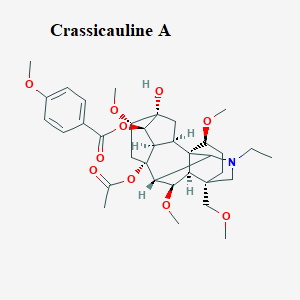
Crassicauline A, (C35H49NO10), Diterpenoid Alkaloid
Crassicauline A, (C35H49NO10), Diterpenoid Alkaloid source
Crassicauline A, in human urine, xenobiotic, acetate ester, aromatic ether, benzoate ester
It is an analgesic drug, which is clinically used in China.
It occurs in Aconitum.
Cucurbitine, (C5H10N2O2), Pyrrolidine and Piperidine Alkaloid
Cucurbitine, (C5H10N2O2), Pyrrolidine and Piperidine Alkaloid source
Cucurbitine is a non-proteinogenic alpha-amino acid
Cucurbitine, [3-amino-beta-proline], used to treat Schistosoma japonica infection.
It occurs in (Cucurbita moschat).
Cularidine, (C19H21NO4), Isoquinoline Alkaloid
Cularidine, (C19H21NO4), Isoquinoline Alkaloid source
Cularidine, Demethylcularine, cularine alkaloid, cytotoxic
It occurs in (Corydalis claviculata), (Dicentra cucullaria), (Sarcocapnos baetica), and in (Sarcocapnos saetabensis).
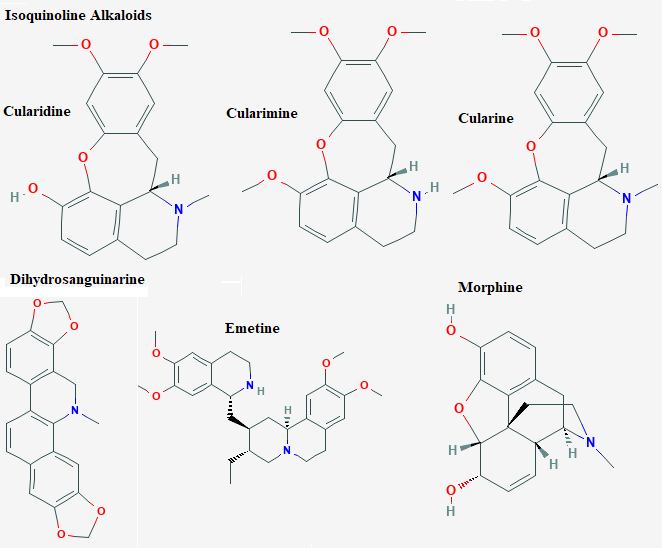
Cularimine, (C19H21NO4), Isoquinoline Alkaloid
Cularimine, (C19H21NO4), Isoquinoline Alkaloid source
Cularimine, cularine alkaloid, alkaloid F30, kills malignant cells
It occurs in (Dicentra eximia).
Cularine, (C20H23NO4), Isoquinoline Alkaloid
Cularine, (C20H23NO4), Isoquinoline Alkaloid source
Cularine, isoquinoline derivative, cularine group, stimulates uterus, increases heart tone and contractions, antispasmotic activity on human airways, cytotoxic
It occurs in (Corydalis claviculata), (Dicentra cucullaria), Berberis, and in (Sarcocapnos saetabensi)s.
Curarine, (C38H44N2O6), Indole Alkaloid
Curarine, (C38H44N2O6), Indole Alkaloid source
Curarine, Dimethylbebeerinium, very toxic neuromuscular blocking agent, arrow poison, in calabash curare It is used as a muscle relaxant or paralysant in general anaesthesia called tubocurarine.
It competes with acetylcholine where motor nerves stimulate muscle fibres.
It is obtained from curare paralysing poison.
It occurs in Strychnos.
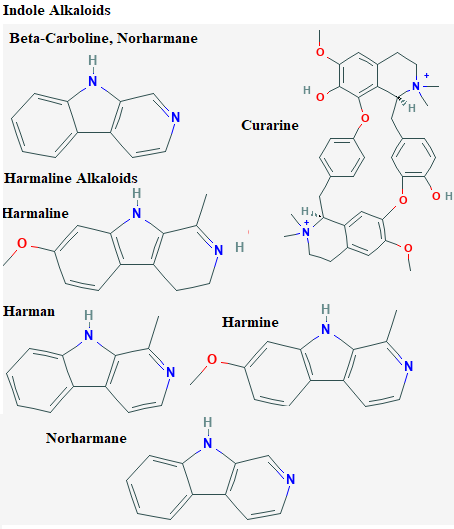
Tubocurarine, toxic benzylisoquinoline alkaloid, chief active constituent of curare, used as an hydrated hydrochloride (C37H41ClN2O6.HCl.5H2O) It is a skeletal muscle relaxant, adjunct to surgical anesthesia, neuromuscular blocker. source
Tubocurarine chloride, chloride salt form of tubocurarine, muscle relaxant, (inhibits action of acetylcholine) naturally occurring curare alkaloid
It occurs in the bark and stem of (Chondodendron tomentosum).
Cuscohygrine, (C13H24N2O), Pyrrolidine and Piperidine Alkaloid
Cuscohygrine, (C13H24N2O), Pyrrolidine and Piperidine Alkaloid source
Cuscohygrine, Cuskhygrine, Hellaridine, folk medicines, used as sedatives or narcotics
It occurs in (Hyoscyamus niger), roots of (Atropa belladonna), Datura, Scopolia, Convolvulus, (Erythroxylum argentinum), and in (Physalis peruviana).
Cyclovirobuxine, (C26H46N2O) source
Steroidal Alkaloid
Cyclovirobuxine, Bebuxine, Cyclovirobuxin D, acutely toxic, anti-arrhythmic, purgative It occurs in Buxus.
Cytisine, (C11H14N2O), Quinolzidine Alkaloid source
Cytisine, Sophorine, Baptitoxine, quinolizidine, organic heterotricyclic compound, secondary amino compound, lactam, cytisine group, phytotoxin
It is a nicotinic acetylcholine agonist used to treat smokers to stop smoking.
It occurs in Laburnum, and in Golden Rain (Cytisus laborinum).
Darlingine, (C13H17NO2), Tropane Alkaloid
Darlingine, (C13H17NO2), Tropane Alkaloid source
Darlingine, oxacycle
It occurs in (Darlingea ferruginea).
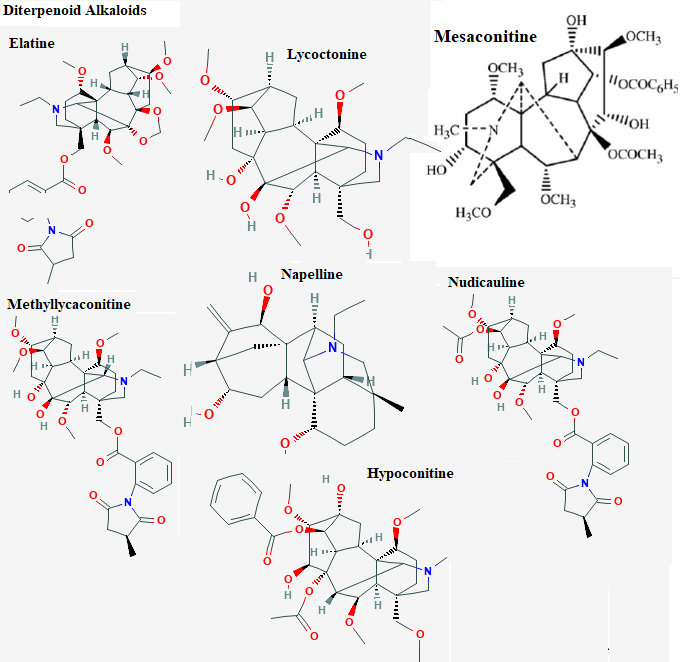
Delcosine, (C24H39NO7), Diterpenoid Alkaloid
Delcosine, (C24H39NO7), Diterpenoid Alkaloid source
Delcosine, Delphamine, Lucaconine, Delcosin, Iliensine, poisonous, insecticidal
It occurs in Aconitum and in (Delphinium consolida).
Delphinine, (C33H45NO9), Diterpenoid Alkaloid
Delphinine, (C33H45NO9), Diterpenoid Alkaloid source
Delphinine, diterpene alkaloid, lycoctonine type, cardiovascular toxicity, dangerous herbal medicine, causes low blood pressure
It is used to treat disordered heart rhythms.
It occurs in Delphinium, and in (Staphisagria macrosperma).
Deltaline, (C27H41NO8), Diterpenoid Alkaloid
Deltaline, (C27H41NO8), Diterpenoid Alkaloid source
Deltaline, Delphelatine, eldeline, tertiary alcohol, acetate ester, cyclic acetal, organic polycyclic compound, (derived from an aconitane hydride)
It occurs in (Delphinium cheilanthum), and in (Delphinium andersonii).
Demecolcine, (C21H25NO5), Colchicine Alkaloid
Demecolcine, (C21H25NO5), Colchicine Alkaloid source
Demecolcine, Colcemid, Colchamine, Demecolcin, antineoplastic, arrests white blood cells in metaphase, mitosis spindle poison at metaphase, antitumour agent
It is less toxic than colchicine, and is used to inhibit growth of malignant cells.
It occurs in (Colchicum autumnal), (Colchicum alpinum), and in (Colchicum arenarium).
Demecolcine
Demethylcoclaurine, (C16H17NO3), Isoquinoline Alkaloid
Demethylcoclaurine, (C16H17NO3), Isoquinoline Alkaloid source
Demethylcoclaurine, bisbenzylisoquinoline alkaloid, cardiac stimulant, "Higenamine", in coffee and coffee products.
It occurs in Aconitum, (Nelumbo nucifera), (Delphinium caeruleum), and in (Berberis beale).
Dendrobine, (C16H25NO2), Monoterpenoid and Sesquiterpenoid Alkaloid
Dendrobine, (C16H25NO2), Monoterpenoid and Sesquiterpenoid Alkaloid source
Dendrobine, antiviral, antitumour, lowers blood pressure, may cause death by convulsions.
It occurs in Dendrobium.
Denudatine, (C22H33NO2), Diterpenoid Alkaloid
Denudatine, (C22H33NO2), Diterpenoid Alkaloid source
Denudatine, acute toxic, effects on action potential of ventricular fibres, inhibits arrhythmogenic action of aconitine
It occurs in Delphinium.
Deserpidine, (C32H38N2O8), Indole Alkaloid
Deserpidine, (C32H38N2O8), Indole Alkaloid source
Deserpidine, Raunormine, Recanescin, alkaloid ester, methyl ester, benzoate ester, yohimban alkaloid, anti-hypertensive, causes decrease in blood pressure.
It has been used for the control of high blood pressure and for the relief of psychotic behavior, and as a tranquillizer.
It occurs in Rauvolfia canescens, Apocynaceae.
Diethanolamine, Secondary Amine
Diethanolamine, Secondary Amine
Diethanolamine, [HN(CH2CH2OH)2], DEA, secondary amineweak base, oily colourless liquid or white crystals, fish smell, denser than water source
It is sometimes called "dialcohol", because two OH group.
It is used to make soaps, surfactants, dishwashing detergents, and as an anticorrosion agent.
Diethanolamine (photography developer), irritates skin and eyes.
Diethanolamine, Solution < 10%, Not hazardous
Diethanolamine bisulfite (photography developer), Irritates skin and eyes
Diethylamine, (C4H11N), Secondary Amine
Diethylamine, (C4H11N), Secondary Amine source
Diethylamine, (CH3-CH2-NH-CH2-CH3), diethyl amine, toxic, irritant and corrosive to eyes and skin, strongly alkaline, flammable, volatile source
It mixes with water and ethanol, a colourless liquid if pure, strong unpleasant odour, during combustion forms dangerous nitrogen gases.
Diethylamine, Solution <2%, Not hazardous
Dihydrosanguinarine, (C20H15NO4), Isoquinoline Alkaloid
Dihydrosanguinarine, (C20H15NO4), Isoquinoline Alkaloid source
Dihydrosanguinarine, Dihydroavicine, benzophenanthridine alkaloid, dihydroavicine, benzophenanthrodine
It is an antifungal agent, antiseptic, and anti-inflammatory.
It occurs in Fumaria, Corydalis, Eschscholzia, Pteridophyllum, (Sarcocapnos baetica), and in (Sarcocapnos saetabensis).
Dimethylamine, (C2H7N), Secondary Amine
Dimethylamine, (C2H7N), Secondary Amine source
Dimethylamine, [C2H7N(CH3)2NH], DMA, [NH = imino group], colourless, flammable gas, fish odour source
It increases in human urine after fish diet, and is used in tanning dyes, soaps, fungicides.
Long exposure to fire or intense heat may cause the containers to rupture violently.
Dimethylamine salts are the active ingredients in commercial weedicides.
Dioscorine, (C13H19NO2), Pyrrolidine and Piperidine Alkaloid
Dioscorine, (C13H19NO2), Pyrrolidine and Piperidine Alkaloid source
Dioscorine, opalescent (yellow-red to blue), molecule, contains a non-aromatic pyran ring, neurotoxin, convulsant, arrow poison
It occurs in (Dioscorea hispids), (Dioscorea dregeana), and in yams (Dioscorea bulbifera).
Ecgonine, (C9H15NO3), Tropane Alkaloid
Ecgonine, (C9H15NO3), Tropane Alkaloid source
Ecgonine, tropaine derivative, cocaine group, 2-hydroxy monocarboxylic acid
It is a precursor to cocaine, and a controlled substance.
It occurs in leaves of (Erythroxylum coca).
Echimidine, (C20H31NO7), Pyrrolizidine Alkaloid source
Echimidine, 2-Butenoic acid, pyrrolizine, acute toxic, heptatonic
It occurs in honeys produced in Australia and New Zealand.
It occurs in (Echium plantagineum), (Echium pininanam), and in (Symphytum officinale).
Echinopsine, (C10H9NO), Quinoline lkaloid source
Echinopsine, (1-Methyl-4-quinolone), simple quinoline structure
It occurs in (Echinops niveus), (Echinops ritro), and (Echinops echinatus).
Elaeocarpine, (C16H19NO2), Unclassified Alkaloid source
Elaeocarpine, Isoelaeocarpine, indolizidine alkaloid
It occurs in leaves of (Elaeocarpus polydactylus).
Elatine, (C38H50N2O10), Diterpenoid Alkaloid source
Elatine, Elatin, dicarboximide, pyrrolidinone, benzoate ester, folk medicine is used for neurological disorders.
It occurs in (Delphinium shawurense).
Emetine, (C29H40N2O4), Isoquinoline Alkaloid source
Emetine, Emetin, Cephaeline methyl ether, Methyl cephaeline, ipecacuanha alkaloid
It is the principal alkaloid of ipecac from Cephaelis ipecacuanha, which contains emetic alkaloids emetine and cephaeline, C28H38N2O4. source
(Ipecac as an ingredient may be old over the counter for emergency use to cause vomiting in poisoning).
Emetine is used as amoebicide (antiprotozoal), and emetic.
It inhibits protein synthesis by blocking ribosome movement along the mRNA, strand and may cause cardiac, hepatic, or renal damage, violent diarrhea, omiting.
It occurs in Ipecac (Carapichea ipecacuanha), (Hedera helix), and in (Alangium longiflorum).
Ephedrine, (C10H15NO), Protoalkaloid source
Ephedrine, alkaloid with nitrogen in the side chain (protoalkaloid), beta-phenylethylamine derivative alkaloid, hydroxylated form of phenethylamine
It is sympathomimetic, bronchodilatory and anti-hypertensive, activates post-synaptic noradrenergic receptors, alpha-adrenergic agonist, and beta-adrenergic agonist.
It may increase release of norepinephrine (noradrenaline), used to treat asthma, heart failure, rhinitis, and urinary incontinence, and depression.
It has been less used with use of more selective agonists.
It occurs in (Ephedra sinica).
Pseudoephredine is an isomer of ephedrine.
Ergine, (C16H17N3O), Indole Alkaloid source
Ergine, Lysergic acid amide, Lysergamide, (LSA), ergoline alkaloid, (derived from a hydride of an ergoline), South American folk medicine, hallucinogen.
It occurs in fungi, in seeds of (Rivea corymbosa, Ololiuhqui (Turbina corymbosa), Hawaiian baby woodrose (Argyreia nervosa), and in (Ipomoea ricolo).
Ergocristine, (C35H39N5O5), Indole Alkaloid source
Ergocristine, acute toxic, natural ergot alkaloid, (derived from a hydride of an ergotaman), prevents implantation and lactation.
It occurs in Ergot (Claviceps purpurea), (Scolochloa festucacea), and in (Calamagrostis arundinacea).
Ergometrine, (C19H23N3O2), Indole Alkaloid source
Ergometrine, Ergonovine, Ergobasine, Ergotocine, Ergometrin, ergot alkaloid, monocarboxylic acid amide, (derived from lysergamide), primary alcohol.
Ergometrine causes contraction of uterine and vascular smooth muscles, used to cause contractions of uterus if vaginal bleeding after childbirth Ergometrine is made from rye ergot fungus or lysergic acid, can be used to make lysergic acid diethylamide (LSD) so it is a regulated substance.
It occurs in (Jacquemontia tamnifolia), and in Acremonium.
Ergotamine, (C33H35N5O5), Indole Alkaloid source
Ergotamine, C33H35N5O5, gynergen, ergomar, ergotaminum, ergonsvine, ergopeptine, semiterpenoid indole alkaloid, ergot alkaloid, vasoconstrictor, analgesic source
Ergotamine is used as oxytocic agent and in treatment of migraine disorders, activates serotonin receptors on intracranial blood vessels causing vasoconstriction.
Ergotamine reduces blood flow in cerebral arteries, binds to alpha-adrenergic receptors to stimulate vascular smooth muscle and cause vasoconstriction.
Ergotamine inhibits pro-inflammatory neuropeptide release, used to treat bleeding after childbirth.
It occurs the ergot fungus of Central Europe (Claviceps purpurea).
Erythroidine, (C16H19NO3), Isoquinoline Alkaloid source
Erythroidine, isoquinoline derivative, erythrina alkaloid, alpha-Erythroidine, neuromuscular blocker like curare, beta-Erythroidine, delta-lactone
Erythroidine is a neuromuscular blocker, hypnotic, respiratory depressant, muscle relaxant, organic heterotetracyclic indole alkaloid.
It occurs in the coral tree, Erythrina.
Dihydro-Beta-Erythroidine, (DHbetaE), (C16H21NO3), organic heterotetracyclic compound, alkaloid like curare, nicotinic antagonist source
Dihydro-Beta-Erythroidine occurs in sseds of Erythrina.
Ethanolamine, (NH2CH2CH2OH), Primary Amine + Primary Alcohol source
Ethanolamine, (NH2CH2CH2OH) (usually called monoethanolamine, MEA) (2-aminoethanol). source
Ethanolamine is a toxic, flammable, corrosive, colourless, viscous liquid, odour like ammonia, weak base.
Ethanolamine is harmful by ingestion, inhalation or if absorbed through the skin, corrosive eye, skin and respiratory irritant.
Ethanolamine is used to produce detergents and many other chemical products.
Monoethanolamine is head group for phospholipids in biological membranes, formed by decarboxylation of serine.
[HOCH2CH(CO2H)NH2] → (NH2CH2CH2OH) + (CO2) source
serine → monoethanolamine + carbon dioxide source
Evodiamine, (C19H17N3O), Indole Alkaloid source
Evodiamine, anti-inflammatory, interferes with metastasis formation of new blood vessels.
It occurs in (Tetradium ruticarpum), (Vepris soyauxii), and in Cryptocarya.
Febrifugine, (C16H19N3O3), Quinoline Alkaloid source
Febrifugine, quinazoline derivative, (3,4-Dihydro-4-quinazolone derivative), antimalarial.
It occurs in (Dicrroa febrifuga), (Hydrangea febrifuga), and in (Hydrangea macrophylla).
Ficine, (C20H19NO4), Unclassified Alkaloid source
Ficine, dihydroxyflavone, N-alkylpyrrolidine.
It occurs in the wild fig (Ficus pantoniana).
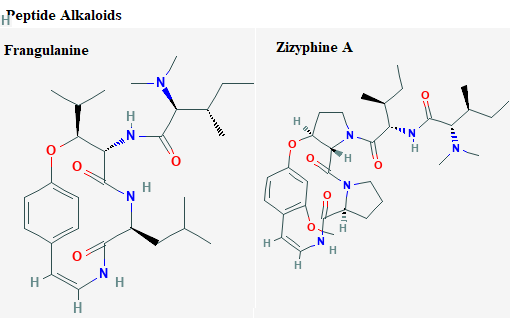
Frangulanine, (C28H44N4O4), Peptide and Cyclopeptide Alkaloid source
Frangulanine, Ceanothamine A, Peptide alkaloids with a 14-membered cycle, Frangulanine type, frangula bark used as a purgative, weak antibiotic.
It occurs in Ramnus, Waltheria, root bark of New Jersey tea (Ceanothus americanus), raisin tree (Hovenia dulcis), and in (Zizyphus jujuba).
Galanthamine, (C17H21NO3), Amaryllidaceae Alkaloid source
Galanthamine, Lycoremin, Benzazepine, Amaryllis alkaloid, oral cholinesterase inhibitor
It is used to treat Alzheimer's disease, analgesic, inhibits cholinesterase activity, and a herbal medicine used to treat nervous diseases It is used to reverse the effects of gallamine triethiodide (C30H60N3O3) and tubocurarine (C37H41N2O6+), synthetic drugs that block the cardiac vagus nerve. source
It occurs in Galanthus, (Amaryllis belladonna), (Hymenocallis leucojum), (Lycoris squamigera), Narcissus, Pancratium, Ungernia, and in (Galanthus nivalis).
Gelsemicine, (C20H26N2O4), Indole Alkaloid source
Gelsemicine, very toxic, stimulates central nervous system, may cause respiratory paralysis.
It occurs in (Gelsemium supervirens), (Gelsemium elegans), and in (Mostuea brunonis).
Gentianadine, (C8H7NO2), Monoterpenoid and Sesquiterpenoid Alkaloid source
Gentianadine, [3,4-dihydropyrano[3,4-c]pyridin-1-one], a pyranopyridine, mildly toxic, anti-inflammatory, hypothermic, hypotensive muscle relaxant
It occurs in the aerial parts of Gentiana.
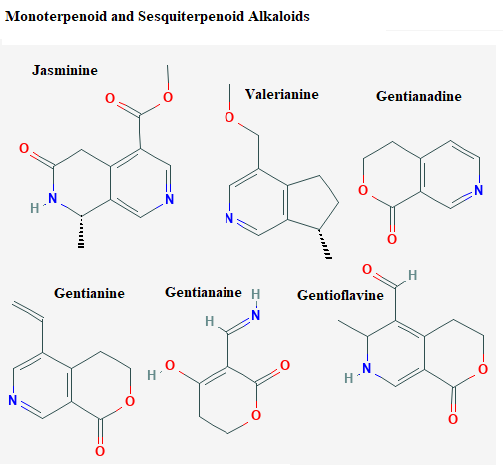
Gentianaine, (C6H7NO3), Monoterpenoid and Sesquiterpenoid Alkaloid source
Gentianaine, Gentiocrucine, low inflammatory activity
It occurs in Gentiana, Causasa, and in Enicostemma.
Gentianine, (C10H9NO2), Monoterpenoid and Sesquiterpenoid Alkaloid source
Gentianine, Pyridine derivative, polycyclic condensed pyridine derivative, pyranopyridine, polycyclic aromatic compound
The bitter tasting Gentian liqueur, Gentian schnapps, is made from the roots of the gentian plant and is used as a hypotensive medicine.
It occurs in fenugreek Trigonella, and the large leaf gentian, (Gentiana macrophylla)
Gentioflavine, (C10H11NO3), Monoterpenoid and Sesquiterpenoid Alkaloid source
Gentioflavine
It occurs in Gentiana, Erythrea, and in Swertia.
Glaucine, (C21H25NO4), Isoquinoline Alkaloid source
Glaucine, iquinoline derivative, aporphine alkaloid, bronchiodilator, anti-inflammatory, antitussive.
It occurs in (Galucium flavum), (Sarcocapnos baetica), and in (Sarcocapnos saetabensis).
Glaziovine, (C18H19NO3), Isoquinoline Alkaloid source
Glaziovine, isoquinoline derivative, proaporphine alkaloid, antidepressant
It occurs in (Octea glaziovii), (Hypserpa nitida), (Litsea cubeba), and in (Annona cherimola).
Guvacine, Tetrahydronicotinic acid, Hydrogenated nicotinic acid, Alpha, beta-unsaturated monocarboxylic acid, pyridine alkaloid, It inhibits 4-aminobutanoic acid, but has no known uses.
It occurs in Areca.
Harmaline, (C13H14N2O), Indole Alkaloid source
Harmaline, Dihydroharmine, Harmalol methyl ether, beta-carboline alkaloid, fluorescent
It is a psychoactive, central nervous system stimulant, and acetylcholinesterase inhibitor.
It occurs in Syrian rue (Peganum harmala), (Passiflora pilosicorona), and in (Passiflora boenderiin).
It occurs in the hallucinogenic beverage ayahuasca brewed from Banisteriopsis caapi.
The active chemical in ayahuasca is DMT (dimethyltryptamine), C12H16N2, a hallucinogenic substance with no medical use. source
Tetrahydroharmine, C13H16N2O, UNII-AF812R7053, AF812R7053, C09243, a harmala alkaloid source
Harman, (C12H10N2), Indole Alkaloid source
Harman, indole derivative, Non-isoprene indole alkaloid
Harmala alkaloid, inhibits monoamine oxidase A, and is an anti-HIV agent.
It occurs in (Sickingia rubra), (Symplocus racemosa), (Passiflora incarnata), (Peganum harmala), (Banisteriopsis caapi), (Tribulus terrestris), and in (Cichorium intybus)>
It also occurs in tobacco smoke.
Harmine, (C13H12N2O), Indole Alkaloid source
Harmine, Aribine, Loturine, Methyl carboline, Passiflorine, (derivative of beta-carboline), beta-Carboline alkaloid, in folk medicine ayahuasca, used for treating nervous disorders, diabetes
Harmala alkaloids: Harmine (C13H12N2O), Harmaline (C14H14N2O), Harmalol ((C12H12N2O), can be used to affect nervous system, but prohibited in Australia. source
It occurs in (Thalictrum foetidum), and in (Acraea andromacha)
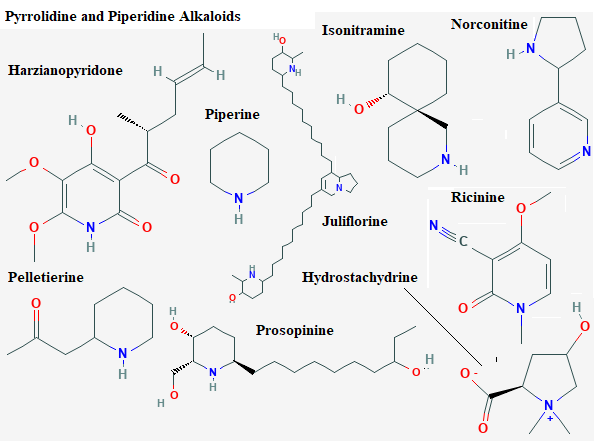
Harzianopyridone, (C14H19NO5), Pyrrolidine and Piperidine Alkaloid source
Harzianopyridone, phytotoxin, blocks electron transfer in oxidative phosphorylation, potential and antibacterial uses.
It occurs in (Trichoderma harzianum), and in Mays (Zea mays).
Heliosupine, Cynoglossophine, heptatoxic
It occurs in (Cynoglossum officinale), Echium, Heliotrope, and in (Symphytum officinale).
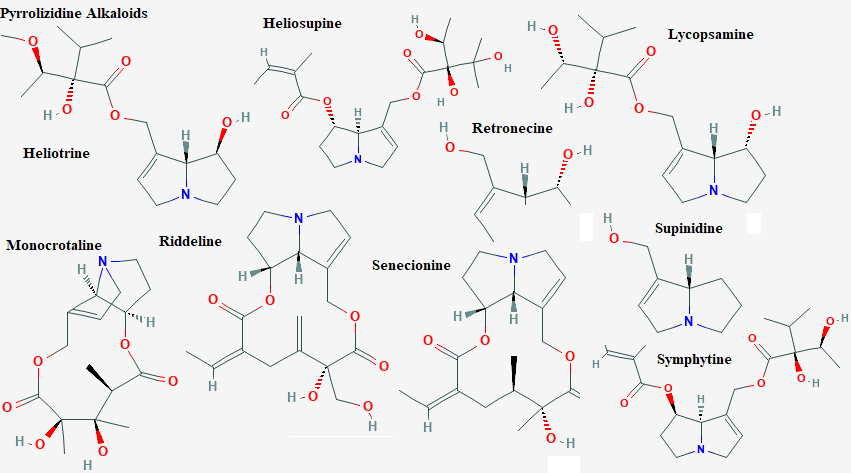
Heliotridine, (C8H13NO2), Pyrrolizidine Alkaloid source
Heliotridine, pyrolizidine derivative, non-ester, heptatoxic
It occurs in Heliotropium, and in Cynoglossum.
Heliotrine, (C16H27NO5), Pyrrolizidine Alkaloid source
Heliotrine, 9-Heliotrylheliotridine, Pyrrolizine, heptatoxic, mutagenic
It occurs in (Heliotropium arborescense).
Humilixanthin, (C14H18N2O7), Betalain Alkaloid source
Humilixanthin, a betaxanthin, yellow pigment, alpha amino acid
It occurs in Phytolacca, Delosperma, Lampranthus, Portulaca, and in eetroot (Beta vulgaris subsp. vulgaris).
Huperzine B, (C16H20N2O), Lycopodium Alkaloid source
Huperzine, Fordine, Selagine, anticholinesterase, in Lycopodium, Chinese medicine, neuroprotective, possibly used to treat Alzheimer’s disease.
It occurs in the water tassel-fern, Huperezia.
Huperzine A, is a sesquiterpene alkaloid, a neuroprotective, acetylcholinesterase inhibitor, and an organic heterotricyclic compound
It occurs in Huperzia serrata Huperzine B, is a phenanthrol, novel acetylcholinesterase inhibitor.
Hydrastine, (C21H21NO6), Isoquinoline Alkaloid source
Hydrastine, isoquinoline derivative, phthalideisoquinoline alkaloid, astringent, alkaloid hydrastinine, (C11H13NO3), haemostatic drugs source
It occurs in goldenseal, Hydrastis, and in Fumaria.
Hydroxylupanine, (C15H24N2O2), Quinolzidine Alkaloid source
Hydroxylupanine, 3-Hydroxylupanine, Jamaidine, Luparine, Oxylupanine, Octalupine, anti-arrhythmic, hypotensive
It occurs in Cyrtisus, Genista, Thermopsis, and in Lupinus.
Hydroxystachydrine, (C7H13NO3), Pyrrolidine and Piperidine Alkaloid source
Hydroxystachydrine, 4-Hydroxystachydrine, urine biomarker citrus consumption, 3-Hydroxystachydrine
It occurs in (Boscia augustifolia), and in Capparis.
Hygrine, (C8H15NO), Pyrrolidine and Piperidine Alkaloid source
Hygrine, pyrrolidine derivative, pungent taste, pungent odour, yellow liquid
It occurs in (Picea breweriana), and in (Erythroxylum argentinums).
Hyoscyamine, (C17H23NO3), Tropane Alkaloid source
Hyoscyamine, toxic, laevorotatory isomer, anticholinergic with both central and peripheral nervous system actions, It is used to treat motion sickness and pre-operative medication for sedation and to induce anaesthesia.
Its weak poisoning causes rapid breathing, nervousness, frequent urination.
Its fatal poisoning is preceded by weak pulse, irregular breathing, coma, convulsions.
It occurs in (Hyoscyamus niger.
Hyoscine, (Scopolamine), is less toxic than hyoscyamine.
Hypaconitine, (C33H45NO10), Diterpenoid Alkaloid source
Hypaconitine, causes neuromuscular blocking action of aconite root.
It occurs in Aconitum.
This page was generated automatically from the original page on John Elfick's School Science Lessons website. If something looks wrong, please check the original.